The future of sustainable luxury is transforming how we view high-end products and experiences. Consumers now demand eco-friendly, ethical, and innovative solutions without compromising quality. This shift blends luxury with responsibility, creating a new standard for brands. From eco-conscious materials to transparent supply chains, sustainable luxury is redefining exclusivity. According to a 2023 McKinsey report, 73% of luxury consumers prioritize sustainability in their purchases. This blog post explores key trends shaping the future of sustainable luxury, offering insights for conscious buyers. As someone who once splurged on a designer bag only to learn its environmental cost, I now seek brands that align with my values. Let’s dive into the trends driving this exciting movement.
Eco-Friendly Materials Redefining Luxury
Sustainable luxury embraces innovative materials that reduce environmental impact. Brands now use recycled metals, organic fabrics, and lab-grown gems to craft high-end products. For example, companies like Stella McCartney use vegan leather made from mushrooms, offering a chic, cruelty-free alternative. These materials maintain luxury’s quality while cutting waste. Additionally, lab-grown diamonds, which require 80% less energy than mined ones per a 2024 De Beers study, are gaining popularity. They sparkle just as brightly but harm the planet less.
This trend resonates with consumers who value ethics. My own experience visiting a sustainable jewelry workshop showed me how artisans blend tradition with eco-friendly innovation. By choosing these materials, brands meet rising demand for green luxury. Consumers can now enjoy elegance guilt-free, knowing their purchases support a healthier planet.
Ethical Production and Transparent Supply Chains
Ethical production is a cornerstone of sustainable luxury. Consumers want brands to ensure fair wages, safe working conditions, and minimal environmental harm. Transparent supply chains build trust by showing where materials come from and how products are made. For instance, Gucci’s 2024 sustainability report highlights its commitment to traceable sourcing, with 95% of raw materials ethically verified. This openness appeals to buyers who prioritize accountability.
Moreover, brands adopting blockchain technology allow customers to trace a product’s journey from source to store. This transparency fosters trust and loyalty. During a recent trip to a luxury boutique, I saw a QR code on a handbag linking to its supply chain details—an eye-opening moment. By prioritizing ethics, brands redefine luxury as a force for good, encouraging conscious consumerism.
Circular Fashion and Luxury Resale Markets
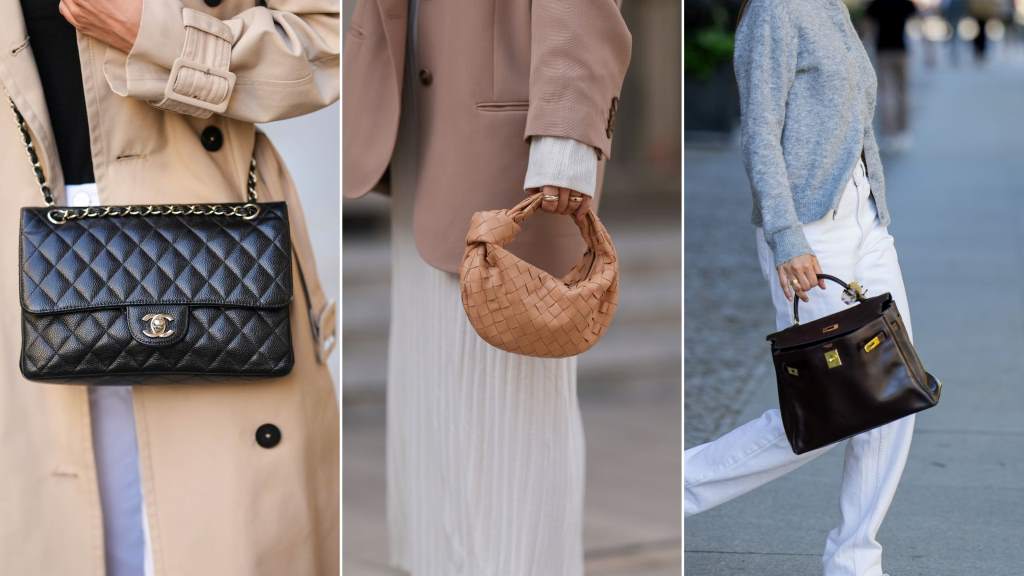
Circular fashion is reshaping sustainable luxury by promoting reuse and recycling. Luxury brands now design products for longevity, encouraging repairs over replacements. For example, Chanel offers repair services for its iconic bags, extending their lifespan. Additionally, the luxury resale market is booming, with platforms like The RealReal reporting a 55% sales increase in 2024. These platforms make pre-owned luxury accessible and eco-friendly.
This trend reduces waste and appeals to budget-conscious buyers. I once sold a gently used designer coat on a resale platform, feeling good about giving it a new life. Circular fashion also inspires creativity, as brands experiment with upcycled designs. By embracing this model, the industry ensures luxury remains sustainable and inclusive for future generations.
Technology-Driven Sustainable Luxury
Technology is revolutionizing sustainable luxury with cutting-edge solutions. 3D printing allows brands to create precise designs, reducing material waste. For instance, Adidas uses 3D-printed soles for limited-edition sneakers, cutting production waste by 30%. Similarly, AI helps brands optimize supply chains, minimizing carbon footprints. These advancements make luxury production more efficient and eco-friendly.
Furthermore, virtual try-ons and digital showrooms reduce the need for physical samples, saving resources. I recently tried a virtual fitting for a luxury dress, which felt futuristic and sustainable. According to a 2025 BCG study, 68% of luxury brands plan to invest in AI-driven sustainability by 2030. By leveraging technology, the industry creates innovative, planet-friendly luxury experiences that captivate modern consumers. Discover How to Spot a Genuine Second-Hand Hermès Birkin.
Experiential Luxury with a Sustainable Twist
Sustainable luxury extends beyond products to experiences. Eco-conscious travel, such as stays at solar-powered resorts, is gaining traction. Brands like Six Senses offer luxurious, low-impact vacations, using locally sourced materials and renewable energy. This trend caters to travelers seeking meaningful, green experiences. In 2024, Skift reported a 40% rise in demand for sustainable travel among affluent consumers.
Moreover, brands host events with minimal environmental impact, like carbon-neutral fashion shows. I attended a sustainable luxury pop-up event where everything, from decor to catering, was eco-friendly—it was inspiring. These experiences show that luxury can align with environmental values. By prioritizing sustainability, brands create memorable moments that resonate with conscious consumers, redefining exclusivity.
The Role of Consumer Awareness
Consumer awareness drives the future of sustainable luxury. Shoppers now research brands’ sustainability practices before buying. Social media amplifies this trend, with influencers promoting ethical luxury on platforms like Instagram. This demand pushes brands to adopt greener practices. For example, a 2024 Nielsen study found that 66% of global consumers are willing to pay more for sustainable products.
Additionally, education campaigns by brands like Patagonia inspire informed choices. I once attended a workshop where a luxury brand explained its carbon-neutral goals, which changed my shopping habits. By staying informed, consumers hold brands accountable, ensuring sustainability remains a priority. This awareness empowers buyers to shape a future where luxury and responsibility coexist seamlessly.
Conclusion
The future of sustainable luxury is bright, blending innovation, ethics, and style. From eco-friendly materials to transparent supply chains, these trends redefine high-end living. Circular fashion, technology, and sustainable experiences further elevate the industry, meeting the demands of conscious consumers. My journey from unaware buyer to eco-conscious shopper shows how these trends inspire change.
FAQs
What is sustainable luxury?
Sustainable luxury combines high-end quality with eco-friendly and ethical practices, minimizing environmental impact.
Why is sustainable luxury important?
It meets consumer demand for responsible products, reducing waste and harm while maintaining exclusivity and quality.
How are luxury brands adopting sustainability?
They use eco-friendly materials, ethical production, and circular models like resale and repairs to promote sustainability.
What is circular fashion in luxury?
Circular fashion involves designing durable products, offering repairs, and promoting resale to extend luxury goods’ lifespans.
How can consumers support sustainable luxury?
Buy from ethical brands, choose pre-owned items, and stay informed about sustainability practices to drive change.