
Choosing the right luggage can shape your entire travel experience. The wrong bag leads to stress, wasted time, and even extra fees. The right one makes your trip smooth and enjoyable. Studies from the International Air Transport Association show that billions of bags travel globally each year, and a significant number face delays due to handling issues. Meanwhile, travel surveys reveal that most travelers regret poor luggage choices after their trip. So, understanding what works for each type of journey matters more than ever. This guide breaks down everything in simple terms so you can travel smarter and lighter.
Why Choosing the Right Luggage Matters
Many people treat luggage as an afterthought. However, it directly affects comfort, mobility, and organization. A heavy or poorly designed bag slows you down. On the other hand, a well chosen suitcase keeps everything accessible.
Additionally, different trips require different luggage types. A weekend getaway needs flexibility, while long international travel demands durability and space. Therefore, matching your luggage to your travel style improves efficiency and reduces hassle.
Types of Luggage You Should Know
Carry On Luggage
Carry on bags are ideal for short trips or minimal packing. Airlines allow them in the cabin, which saves time at baggage claim.
Key benefits include:
- Faster airport movement
- Lower risk of lost items
- Easier organization
However, you must pack smart due to limited space.
Checked Luggage
Checked luggage suits longer trips or when you need more items. These bags offer larger capacity and better structure.
They work best when:
- Traveling for more than a week
- Carrying bulky items
- Packing for multiple climates
Backpacks and Travel Packs
Backpacks offer mobility and flexibility. They are perfect for adventure travel or destinations with uneven terrain.
They are useful because:
- Hands stay free
- Easy to carry in crowded areas
- Lightweight design
Duffel Bags
Duffel bags are simple and versatile. They work well for short trips or gym style packing.
However, they lack structure, so packing carefully becomes important.
Hard Shell vs Soft Shell Luggage
Hard Shell Luggage
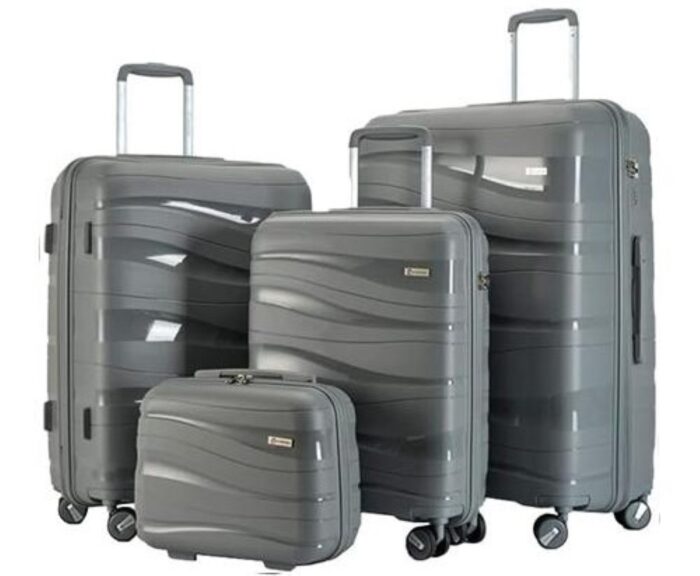
Hard shell suitcases protect fragile items better. They resist water and rough handling.
Pros include:
- Strong protection
- Sleek appearance
- Better security
Cons include limited flexibility when packing extra items.
Soft Shell Luggage
Soft shell luggage offers flexibility and external pockets. It expands when needed.
Advantages include:
- Easier to fit into tight spaces
- More compartments
- Lighter weight
However, it may not protect delicate items as well.
How to Choose Luggage Based on Trip Type
Weekend Getaways
For short trips, simplicity matters. Choose a compact carry on or a small duffel.
Focus on:
- Lightweight design
- Easy access compartments
- Quick mobility
Business Travel
Professional trips require organized and polished luggage. A sleek carry on with compartments for documents and devices works best.
Look for:
- Laptop sleeves
- Wrinkle resistant packing space
- Smooth rolling wheels
Family Vacations
Family trips demand larger luggage with better organization. Multiple compartments help separate items.
Consider:
- Large checked suitcases
- Durable materials
- Easy identification features
Adventure Travel
Adventure trips need rugged and flexible luggage. Backpacks or travel packs work best.
Key features include:
- Weather resistance
- Strong straps
- Lightweight build
International Travel
Long trips require reliable luggage with ample space. Choose durable checked luggage paired with a carry on.
Important factors:
- Strong wheels and handles
- Secure locking systems
- Expandable compartments
Key Features to Look For
Size and Capacity
Always match size with trip length. Overpacking leads to unnecessary weight, while underpacking causes inconvenience.
Weight
Lightweight luggage makes travel easier. Airlines also enforce weight limits, so choosing lighter bags helps avoid issues.
Wheels and Mobility
Four wheel spinner luggage offers smooth movement. Two wheel options provide better control on rough surfaces.
Handles
Adjustable handles improve comfort. Look for sturdy designs that do not wobble.
Compartments and Organization
Multiple compartments help keep items organized. Internal dividers and pockets save time during packing and unpacking.
Security Features
Modern luggage includes locks and secure zippers. These features protect your belongings during transit.
Smart Packing Tips for Better Travel
Packing plays a major role in choosing luggage. Even the best suitcase fails if packed poorly.
Follow these tips:
- Roll clothes instead of folding
- Use packing cubes for organization
- Keep essentials in carry on
- Distribute weight evenly
- Avoid overpacking
These simple strategies improve space usage and reduce stress.
Common Mistakes to Avoid
Many travelers repeat the same mistakes. Avoiding them saves time and effort.
- Choosing style over function
- Ignoring airline size restrictions
- Buying overly large luggage
- Forgetting durability
- Skipping research
Instead, focus on practicality and real travel needs.
How Material Impacts Performance
Different materials offer different benefits. Understanding them helps you choose wisely.
Polycarbonate
Strong and lightweight. Ideal for frequent travelers.
ABS Plastic
Affordable and durable. Suitable for occasional use.
Nylon and Polyester
Flexible and lightweight. Great for soft shell luggage.
Each material serves a purpose, so match it with your travel style.
Matching Luggage with Travel Style
Every traveler has a unique style. Your luggage should reflect that.
Minimalist Travelers
Prefer small, lightweight bags. Focus on essentials only.
Frequent Flyers
Need durable luggage with strong wheels and handles.
Luxury Travelers
Look for premium design and smooth functionality.
Budget Conscious Travelers
Focus on value and durability rather than appearance.
Understanding your habits helps you make better decisions.
Environmental and Sustainability Considerations
Modern travelers care about sustainability. Many brands now offer eco friendly luggage options.
Look for:
- Recycled materials
- Long lasting construction
- Repair friendly designs
Choosing sustainable luggage reduces environmental impact and supports responsible travel.
Conclusion
Choosing the right luggage is not complicated when you understand your needs. Focus on trip type, durability, size, and comfort. Avoid common mistakes and prioritize functionality over appearance. Smart choices lead to smoother journeys and less stress. Before your next trip, take a moment to evaluate your travel style and pick luggage that supports it. The right decision today will improve every journey ahead.
FAQs
What size luggage is best for a 7 day trip?
A medium to large checked suitcase works best. It provides enough space without becoming too heavy.
Is hard shell luggage better than soft shell?
Hard shell offers better protection, while soft shell provides flexibility. Choose based on your needs.
How do I know if my luggage is airline approved?
Check airline size and weight limits before traveling. Most airlines publish these guidelines online.
What is the best luggage for international travel?
Durable checked luggage with secure locks and smooth wheels works best for long trips.
Should I choose two wheels or four wheels?
Four wheels offer better mobility on smooth surfaces. Two wheels work better on rough terrain.