Luxury real vs. fake luxury bags handbags symbolize status, quality, and timeless style. From Chanel to Louis Vuitton, these iconic accessories attract fashion enthusiasts and collectors alike. Unfortunately, counterfeit markets are booming, and even savvy shoppers struggle to tell real from fake. This comprehensive guide breaks down the secrets to authenticating luxury bags, providing real solutions, expert insights, and proven techniques.
The Booming Counterfeit Market
The global counterfeit industry was worth over $464 billion in 2022, according to the OECD. Luxury handbags are among the top fakes. Brands like Hermès, Gucci, and Prada are frequent targets because of their prestige and resale value.
Many counterfeiters now produce “super fakes” — copies so close to the original that they even fool experienced resellers. These replicas use high-quality materials and mimic branding, making authentication more complex than ever. The risk isn’t just financial; it’s also ethical. Counterfeiting supports illegal labor and undermines creative industries.
Why Authentication Matters
Authenticating a luxury bag isn’t just about bragging rights. It protects your investment. Designer bags can retain or increase in value over time. A real Hermès Birkin, for instance, can fetch six figures at auction.
Buying a fake not only results in a financial loss but also risks legal trouble if you resell it unknowingly. Many reputable resale platforms, such as Fashionphile and The RealReal, now require third-party authentication to guarantee trust and transparency.

Key Authentication Features
Authenticating luxury bags involves inspecting multiple components. No single indicator proves authenticity. Experts recommend a holistic approach, including these factors:
-
Materials and Craftsmanship
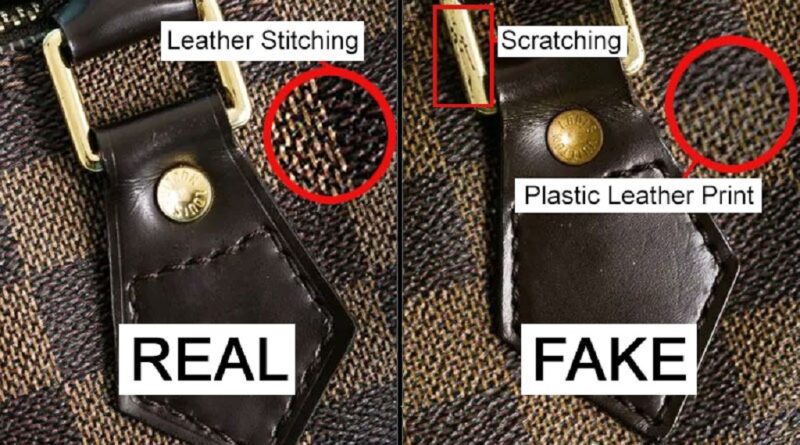
Luxury brands use premium materials. Real leather smells natural and feels soft, never like plastic. Stitching should be even, tight, and clean. For example, Chanel’s classic flap bag features 11 stitches per inch, which fakes often overlook.
Hardware on genuine bags is solid, not hollow. Zippers, clasps, and buckles often bear the brand name and feel heavy due to quality metal. Fakes tend to use cheap, shiny metals that chip or discolor easily.
-
Serial Numbers and Date Codes
Most designer bags include serial numbers or date codes. Louis Vuitton, for instance, uses a six-character code that identifies the location and date of production. Authentic serial numbers are embossed cleanly and consistently.
However, counterfeiters are mimicking codes more accurately. That’s why checking the format and placement is crucial. For example, Chanel uses an 8-digit code for bags made after 2005. Inconsistencies in length, font, or location raise red flags.
-
Logos and Fonts
Brand logos must be perfect. Examine spacing, alignment, and font. Gucci’s double G should never touch or overlap. The Louis Vuitton monogram is symmetrical and should not be cut off at seams or stitches.
Font inconsistencies are among the easiest ways to spot fakes. Compare logos with images from the brand’s official site or verified resellers.
-
Packaging and Dust Bags
Authentic bags come with high-quality packaging. Dust bags are made of soft cotton or flannel, not polyester. Brand names on tags and dust bags should be spelled correctly, evenly spaced, and centered.
Counterfeiters often skip details like care cards, booklets, or receipts — or include poorly printed ones. Packaging alone shouldn’t be the only basis, but it adds to the overall picture.
-
Price and Place of Purchase
If the price is too good to be true, it likely is. New luxury bags rarely drop below 30% of retail, even on resale sites. Always buy from reputable sellers with clear return policies and authentication guarantees.
Websites like Vestiaire Collective and Rebag offer verified authentication services and publish detailed condition reports, helping buyers make informed decisions.
Featured Snippet: How Can I Tell If a Designer Bag Is Real?
Q: What are the quickest ways to spot a fake luxury bag?
A: Start by checking the stitching, logo alignment, and hardware. Authentic bags have tight, clean stitches and symmetrical logos. Next, verify serial numbers using the brand’s specific coding system. Feel the material — genuine leather is soft and smells natural. Finally, consider the source. Trustworthy retailers and resale platforms offer authentication services and return policies. If anything feels off, consult an expert authenticator or use AI-based authentication apps like Entrupy for peace of mind.
Professional Tips for Spotting the Real Deal
- Use a UV light: Some brands include hidden watermarks visible only under UV light.
- Compare side-by-side: Use a verified authentic bag or HD reference photos from the brand’s website.
- Weigh it: Authentic bags often weigh more due to high-quality hardware.
- Look inside: Interior linings, pocket seams, and brand stamps often expose fakes.
Authentication is an art and science. Many professionals rely on years of training and still consult colleagues for tricky cases. When in doubt, pay for third-party verification.
Real-World Examples
Take the Hermès Birkin. Experts know that its craftsmanship takes over 18 hours per bag. Fakes often miss small details, like hand-painted edges or the precise slope of the flap. Another example: real Prada bags use Saffiano leather, which has a unique crosshatch texture — difficult to replicate.
On resale sites, fake Chanel bags with accurate hologram stickers still fail the test due to incorrect fonts or misaligned quilting. These mistakes are often minor but reveal the truth to a trained eye.
The Role of Technology in Authentication
Modern tools now aid authenticators. Apps like Entrupy use microscopic image analysis and AI to confirm authenticity with 99.1% accuracy. The device compares textures, stitching, and logos against a massive database.
Blockchain is also changing the game. Some brands, like LVMH, are developing digital certificates to track ownership and authenticity, giving buyers more transparency and control.
Frequently Asked Questions (FAQs)
Can counterfeit bags be made with real leather?
Yes, some super fakes use real leather but lack the precision and quality controls of genuine brands.
Is buying from a friend or influencer safe?
Only if they provide receipts or authentication certificates. Personal trust doesn’t equal product authenticity real vs. fake luxury bags.
What is the most commonly faked luxury brand?
Louis Vuitton tops the list due to its global popularity and monogram design.
Are all bags from outlets authentic?
Yes, but some outlets sell items made for that market. They differ slightly from boutique versions real vs. fake luxury bags.
Do serial numbers guarantee authenticity?
No. Many fakes now copy serial number formats. Use serials as one part of a broader evaluation.
How accurate are authentication apps?
Apps like Entrupy claim up to 99.1% accuracy but are best used alongside professional evaluations real vs. fake luxury bags.
Can a bag without packaging still be real?
Yes, but it raises scrutiny. Lack of dust bags or receipts should prompt a thorough inspection.
Read More Also: Future of Sustainable Luxury
Final Thought
In the battle of real vs. fake, education is your best defense. Whether you’re investing in your first designer handbag or reselling a vintage piece, knowledge gives you power. From stitching to serial numbers and modern AI tools, multiple layers help reveal the truth. Authenticating luxury bags is no longer a guessing game — it’s a strategic process built on detail, expertise, and vigilance.
References:
- OECD Report on Counterfeit Trade: https://www.oecd.org/
- Entrupy Authentication: https://www.entrupy.com/
- The RealReal Authentication Process: https://www.therealreal.com/authenticity