
Picture this: I stood in a dimly lit boutique, heart racing, as I held a second-hand Hermès Birkin. Its buttery leather and iconic shape screamed luxury, but a nagging doubt lingered—was it real? The Birkin, a symbol of status, often comes with a hefty price tag, making authentication crucial. With counterfeits flooding the market, knowing how to verify a pre-loved Birkin is essential. According to a 2023 report by Entrupy, 15% of luxury handbags sold second-hand are fakes. This guide, born from my own quest for authenticity, will walk you through what shoes go with linen suits. Whether you’re a seasoned collector or a first-time buyer, these tips will empower you to shop confidently. Let’s dive into the art of spotting a true Hermès masterpiece.
Why Authentication Matters
The Hermès Birkin is more than a handbag; it’s an investment. Prices for pre-owned Birkins range from $10,000 to over $100,000, depending on rarity and condition. However, the rise of super-fakes—counterfeits that mimic every detail—has made authentication critical. A 2024 study by The RealReal noted that 20% of luxury bags submitted for consignment failed authenticity checks. Buying a fake not only wastes money but also diminishes the bag’s legacy. My own close call with a questionable Birkin taught me the value of scrutiny. I nearly purchased a bag with flawless stitching, only to discover its hardware was off. Authentication protects your wallet and preserves the craftsmanship Hermès is known for. By learning key markers, you can avoid scams and invest wisely. Let’s explore the first step in this process.
Step 1: Inspect the Hermès Logo and Stamp
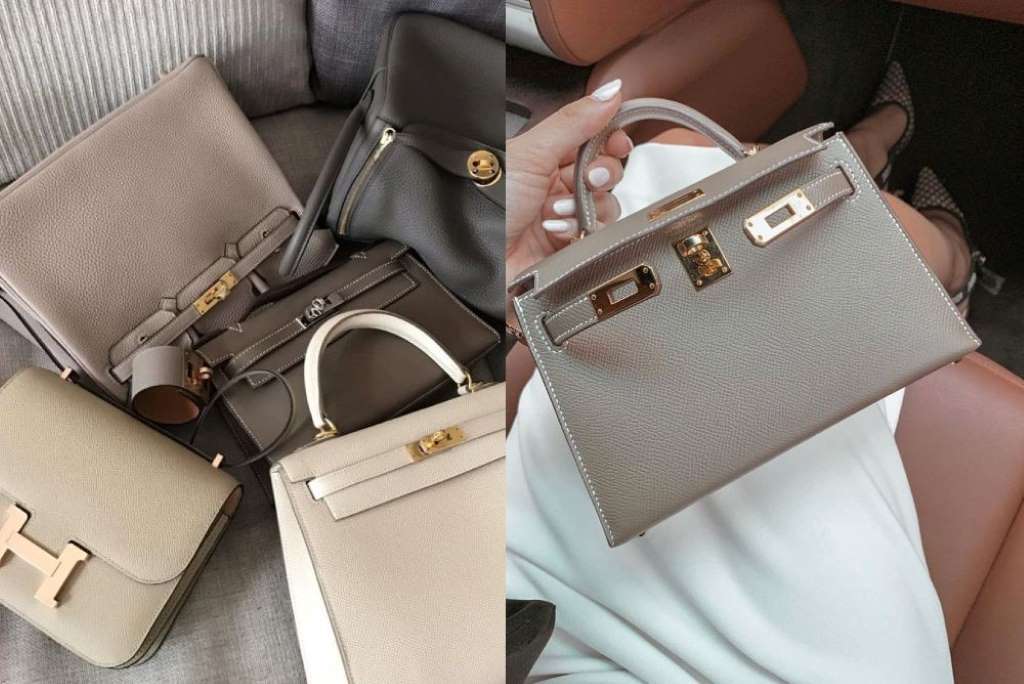
The Hermès logo is your first clue. Located under the front flap, the embossed stamp should read “Hermès Paris Made in France.” The font must be crisp, even, and free of smudging. Counterfeits often have uneven or blurry stamps. According to Madison Avenue Couture, 30% of fake Birkins fail this test due to poor logo quality. When I examined my potential purchase, the stamp looked sharp but slightly misaligned—a red flag. Additionally, check the interior logo stamp, which should match the exterior in clarity. Genuine stamps are heat-pressed with precision, while fakes may appear shallow or inconsistent. Use a magnifying glass for clarity, and compare the font to images on Hermès’ official website. This step sets the foundation for authentication, so take your time to get it right. Explore The Evolution of School Backpacks.
Step 2: Examine the Leather Quality
Hermès Birkins are crafted from premium leathers like Togo, Clemence, or Epsom, each with a distinct texture. Genuine leather has a rich, natural scent and a soft, supple feel. Counterfeits often use synthetic materials that feel stiff or smell chemical. A 2022 article by Baghunter noted that 25% of fake Birkins are betrayed by subpar leather. When I ran my fingers over a suspect Birkin, the leather felt oddly plastic-like, unlike the luxurious Togo I’d touched at Hermès. Additionally, check for consistent grain patterns—genuine leather has natural imperfections, while fakes may look overly uniform. Smell the bag discreetly; a true Birkin won’t reek of glue. If possible, compare the leather to authenticated Birkins at a trusted reseller. This tactile step is crucial for spotting fakes.
Step 3: Analyze the Stitching
Hermès is renowned for its impeccable craftsmanship, especially its saddle stitching. Each stitch on a Birkin is hand-sewn at a slight angle, creating a uniform, slanted pattern. Counterfeits often use machine stitching, which appears straight and uneven. According to Dallas Designer Handbags, 40% of fake Birkins show sloppy stitching under close inspection. My near-miss Birkin had stitches that looked too perfect, a sign of automation. Use a magnifying glass to check for consistency—genuine stitches are tight, with no loose threads.
Step 4: Verify the Hardware
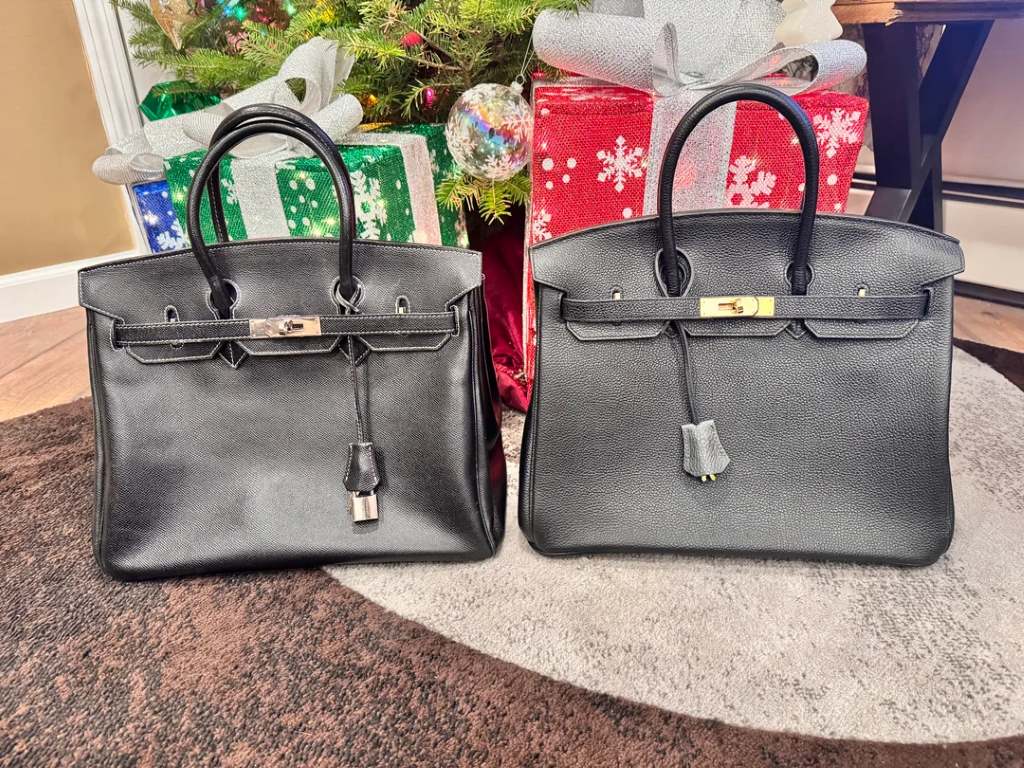
The hardware—zippers, buckles, and clasps—tells a story of authenticity. Genuine Birkins use high-quality metals like gold or palladium, engraved with “Hermès.” Counterfeits may use lightweight, shiny materials or feature logos like “YKK” on zippers. A 2025 guide by WikiHow states that 35% of fake Birkins fail the hardware test due to cheap engravings. When I checked my questionable Birkin, the zipper felt flimsy, and the engraving was faint. Additionally, authentic hardware has a substantial weight and smooth operation. Scratch marks or tarnishing are rare on genuine pieces. Compare the hardware to images on Hermès’ official site or consult a professional authenticator. This step is a game-changer in spotting fakes, so don’t skip it.
Step 5: Check the Serial Number and Date Stamp
Every Hermès Birkin has a serial number and date stamp, typically located on the interior or a leather strap. The date stamp, a letter within a shape (e.g., a circle or square), indicates the production year. Bags made after 1945 must have this stamp, per Marina SRH. Counterfeits often omit it or use incorrect formats. A 2025 Legit Check report found that 50% of fake Birkins lack a proper date stamp. My suspect bag had a stamp, but the letter didn’t align with Hermès’ coding system—a dead giveaway. Additionally, ensure the serial number matches any accompanying authenticity card. This step is your final safeguard against fakes.
Professional Authentication Services
If you’re still unsure, professional authenticators are your best bet. Services like Entrupy or Real Authentication use advanced technology and expert knowledge to verify luxury goods. A 2023 Entrupy study reported a 99.1% accuracy rate in detecting fakes. I once sent a Birkin to an authenticator after doubting its hardware; their detailed report saved me thousands. These services cost $50–$200 but offer peace of mind. Alternatively, take the bag to an Hermès boutique for a “spa treatment”—they won’t service fakes, per Pricescope. Research trusted authenticators and avoid relying solely on seller claims. This step is ideal for high-stake purchases or if you lack experience.
Conclusion
Authenticating a second-hand Hermès Birkin is like solving a puzzle—each clue brings you closer to the truth. From the logo’s crispness to the leather’s scent, these steps empower you to shop with confidence. My journey taught me that vigilance pays off; a fake Birkin isn’t just a financial loss but a betrayal of Hermès’ legacy. By following these tips, you’ll protect your investment and cherish the craftsmanship of a genuine Birkin. The luxury market is full of pitfalls, but knowledge is your shield. Have you ever authenticated a luxury bag? Share your story in the comments or spread the word by sharing this guide. Let’s keep the love for authentic Birkins alive!
FAQs
How can I tell if a Birkin’s leather is genuine?
Genuine Hermès leather feels soft, smells natural, and has subtle imperfections. Fakes often feel stiff, smell chemical, or look overly uniform.
What does the Hermès date stamp look like?
It’s a letter in a shape (e.g., circle, square) on the interior or a strap, indicating the production year. Check Hermès’ date code chart.
Are all Birkins with a serial number authentic?
No, counterfeits may include fake serial numbers. Verify the format and cross-check with the date stamp for authenticity.
Can I authenticate a Birkin myself?
Yes, by checking the logo, leather, stitching, hardware, and stamps. However, professional authenticators offer higher accuracy for peace of mind.
Where can I get a Birkin authenticated?
Use trusted services like Entrupy or Real Authentication, or visit an Hermès boutique for a spa treatment, which confirms authenticity.