Finding the right gym bag is not just about style. It directly affects how organized, hygienic, and consistent your fitness routine becomes. According to a study by the International Health, Racquet and Sportsclub Association, over 60 percent of gym members carry multiple items like shoes, clothing, and accessories, which makes storage efficiency essential. Another report from the American Cleaning Institute highlights that poorly ventilated bags increase bacterial growth significantly. That means choosing the right gym bag is a practical decision, not a luxury. This guide will walk you through how to select a bag that lasts long, holds everything you need, and makes your daily routine easier.
Why Choosing the Right Gym Bag Matters
A gym bag is more than a container. It is a daily companion that supports your fitness habits. When you choose wisely, you save time, reduce stress, and keep your gear clean.
A poor choice leads to common problems such as bad odor, torn straps, and lack of space. On the other hand, a well designed bag helps you stay consistent. You can quickly pack, carry, and access your essentials without hassle.
Moreover, convenience improves motivation. When everything is ready and easy to carry, you are more likely to stick to your routine.
Key Features to Look for in a Gym Bag
1. Durability Comes First
Durability defines how long your bag will last under regular use. Gym bags face rough conditions like heavy loads, sweat, and frequent movement.
Look for these materials:
- Polyester with high denier count
- Nylon with water resistance
- Reinforced stitching in stress areas
- Strong zippers that do not snag
Additionally, double stitching and reinforced handles improve lifespan. Avoid thin fabrics that tear easily.
2. Smart Storage and Space Design
Space is not just about size. It is about how well the space is organized.
A good gym bag includes:
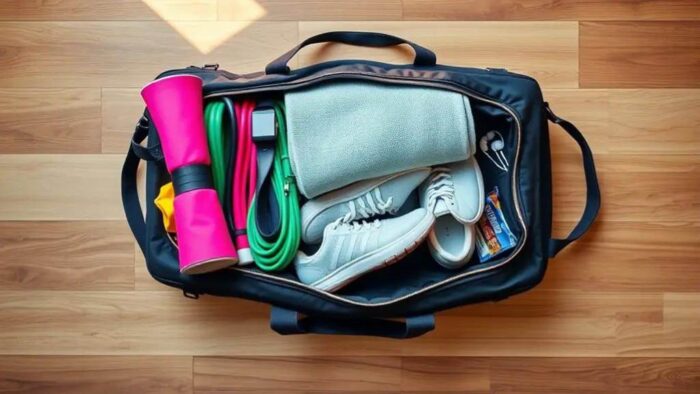
- Separate shoe compartment
- Wet and dry sections
- Multiple inner pockets
- Easy access outer pockets
These features help keep your items clean and accessible. For example, separating shoes prevents odor from spreading to clothes.
3. Convenience and Portability
Convenience determines how easy it is to carry and use your bag daily.
Key elements include:
- Adjustable shoulder straps
- Lightweight structure
- Comfortable grip handles
- Compact yet expandable design
Also, consider how easily the bag fits into lockers or car spaces. A bulky bag may create unnecessary inconvenience.
4. Ventilation and Odor Control
Sweaty clothes can create bacteria quickly. Therefore, ventilation is essential.
Look for:
- Mesh panels for airflow
- Breathable compartments
- Antimicrobial lining
Proper ventilation keeps your bag fresh and hygienic.
5. Water Resistance and Protection
Unexpected spills or rain can damage your gear.
Choose bags with:
- Water resistant coating
- Leak proof compartments
- Strong base material
This ensures your belongings stay dry and protected.
Types of Gym Bags and Their Benefits
Duffel Bags
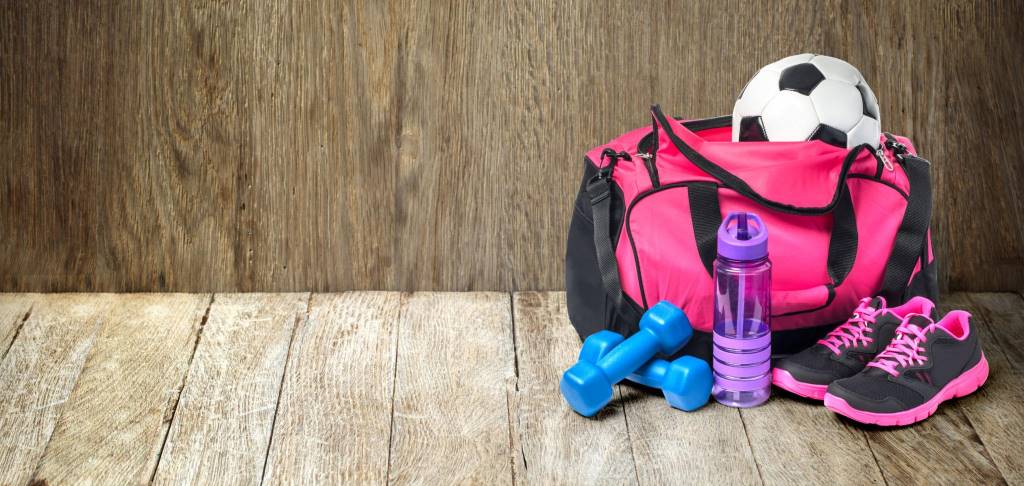
Duffel bags are the most common choice. They offer large space and flexible storage.
Best for:
- Carrying multiple items
- Regular gym users
- Travel plus gym combination
Backpack Style Gym Bags
Backpack gym bags distribute weight evenly. They are ideal for commuters.
Best for:
- Cycling or walking to the gym
- Carrying laptops along with gym gear
- Balanced weight distribution
Tote Gym Bags
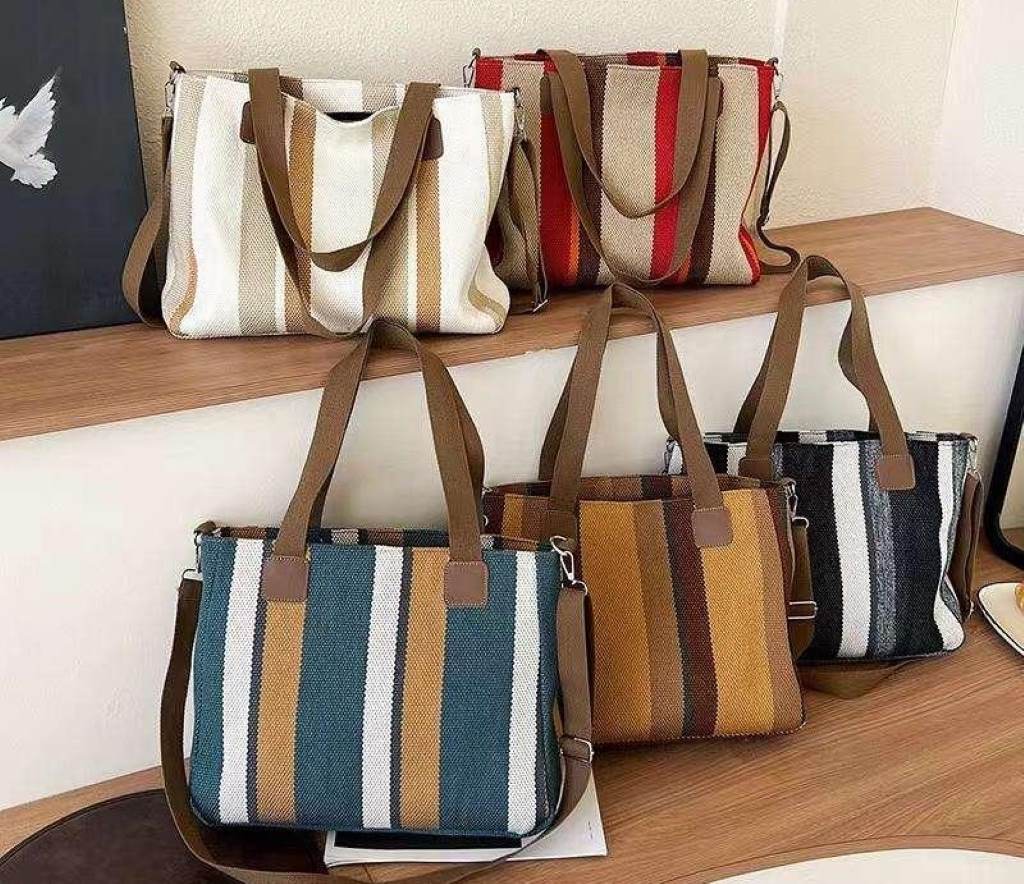
Tote bags focus on style and simplicity.
Best for:
- Light workouts
- Yoga or pilates sessions
- Minimal gear
Hybrid Gym Bags
Hybrid bags combine backpack and duffel features.
Best for:
- Versatility
- Multi purpose use
- Travelers
How to Match a Gym Bag with Your Lifestyle
Choosing a gym bag depends on how you use it daily. Think about your routine first.
For Daily Gym Goers
You need durability and space. Choose a bag with multiple compartments and strong material.
For Occasional Users
A compact and lightweight option works best. You do not need excessive storage.
For Athletes
Athletes require specialized compartments. Look for bags with shoe sections, towel space, and gear pockets.
For Office Workers
Choose a sleek design that fits both gym and work needs. A backpack style bag often works well.
Common Mistakes to Avoid
Avoid these mistakes when selecting a gym bag:
- Ignoring material quality
Cheap materials wear out quickly and cost more in the long run - Choosing style over function
A stylish bag without functionality becomes frustrating - Overlooking ventilation
Lack of airflow leads to odor buildup - Buying the wrong size
Too small creates clutter, too large becomes inconvenient - Ignoring strap comfort
Poor straps cause shoulder strain
Practical Tips for Maintaining Your Gym Bag
A good bag lasts longer with proper care.
Follow these tips:
- Clean your bag weekly
- Air dry after use
- Avoid storing wet items for long
- Use odor control pouches
- Check zippers and seams regularly
Consistent maintenance keeps your bag hygienic and durable.
Real Life Example: Why Quality Matters
Consider two gym users. One buys a low quality bag, while the other invests in a durable option.
After three months:
- The low quality bag shows tears and smells bad
- The durable bag remains intact and fresh
This simple comparison shows that quality directly affects usability and long term value.
Expert Insights and Research Backed Advice
Research shows that bacteria thrive in moist environments. According to a study published by the National Institutes of Health, gym equipment and storage items can harbor microbes if not properly ventilated.
Experts recommend:
- Using breathable materials
- Separating clean and dirty items
- Regular cleaning routines
These practices reduce health risks and improve overall hygiene.
Checklist for Choosing the Best Gym Bag
Use this quick checklist before buying:
- Strong and durable material
- Enough compartments for organization
- Comfortable carrying options
- Proper ventilation system
- Water resistant protection
- Suitable size for your routine
If a bag meets all these points, it is a reliable choice.
Conclusion
Choosing the best gym bag for durability, space, and convenience requires attention to detail. Focus on material quality, smart storage, and ease of use. Avoid common mistakes and match your choice with your lifestyle. A well selected bag improves organization, hygiene, and consistency in your fitness journey. Take action today and upgrade your gym experience with a bag that truly supports your routine.
FAQs
What size gym bag is ideal for daily use?
A medium sized bag works best for most users. It provides enough space without being bulky.
How do I prevent my gym bag from smelling bad?
Use ventilated compartments, clean it regularly, and avoid storing wet clothes for long periods.
Are backpack gym bags better than duffel bags?
It depends on your needs. Backpacks offer comfort, while duffel bags provide more space.
What material is best for a gym bag?
Nylon and polyester are strong, lightweight, and resistant to wear and moisture.
How often should I clean my gym bag?
Clean it at least once a week to maintain hygiene and prevent bacteria buildup.