The allure of a designer handbag is undeniable. It’s a symbol of style, craftsmanship, and a touch of luxury. However, the burgeoning counterfeit market has made purchasing these coveted accessories a minefield. With increasingly sophisticated replicas flooding the market, distinguishing a genuine designer purse from a fake requires a keen eye and a thorough understanding of authentication techniques. This article aims to equip you with the knowledge needed to confidently verify your designer handbag, ensuring your investment is both stylish and authentic.
The Devil is in the Details: Key Authentication Markers
Authenticating a designer purse is a multi-faceted process, relying on a meticulous examination of several key features. No single element definitively proves authenticity, but a combination of factors builds a compelling case.
Craftsmanship and Materials:
-
- Genuine designer purses are crafted with unparalleled precision. Stitching should be uniform, straight, and secure, with no loose threads or uneven spacing. High-end brands use premium materials like supple leather, durable canvas, and high-quality hardware. Feel the texture of the leather; it should be smooth and luxurious, not stiff or plastic-like.
- Examine the hardware closely. It should be substantial, with a consistent finish and a satisfying weight. Logos and engravings should be crisp and clear, not blurry or poorly defined. Zippers should glide smoothly and effortlessly.
- Inside the bag, the lining should be made of quality fabric, often silk, suede, or durable canvas. The lining should be neatly sewn and lie flat without any wrinkles or bunching.
Logos and Branding:
-
- Designer brands are meticulous about their logos. Pay close attention to the font, spacing, and placement of the logo. Any inconsistencies or deviations from the brand’s official logo are red flags.
- Many brands incorporate serial numbers or date codes into their bags. These codes are unique identifiers that can be used to track the bag’s production. Research the brand’s specific coding system and compare the code on your bag to official resources.
- Many brands also have specific dust bags, and authenticity cards. Examine these items with close attention, as counterfeiters often neglect the quality of these items.
Stitching and Construction:
-
- As mentioned, stitching is a crucial indicator of authenticity. Look for even, consistent stitches with no loose threads, skipped stitches, or fraying. High-end bags often feature a specific stitch count, which you can research for comparison.
- The bag’s overall construction should be sturdy and well-structured. Genuine designer bags hold their shape and don’t sag or collapse.
Hardware and Zippers:
-
- Designer hardware is typically made of high-quality metals with a polished finish. It should feel heavy and substantial, not lightweight or flimsy.
- Zippers should operate smoothly and effortlessly. Brands like Riri, Lampo, and YKK are commonly used in high-end bags. Research the specific hardware used by your brand of interest.
Authentication Cards and Documentation:
-
- While authentication cards can be easily counterfeited, they can still provide some clues. Look for high-quality printing, correct fonts, and accurate information.
- Original receipts and certificates of authenticity from authorized retailers are valuable pieces of evidence. However, be aware that these documents can also be forged.
Smell:
-
- Genuine leather has a distinct, rich smell. Counterfeit bags often have a chemical or plastic odor.
Related: How to Make a Bag More Structured: Transform Your Slouchy Tote Today
Navigating the Market: Where to Buy and What to Avoid
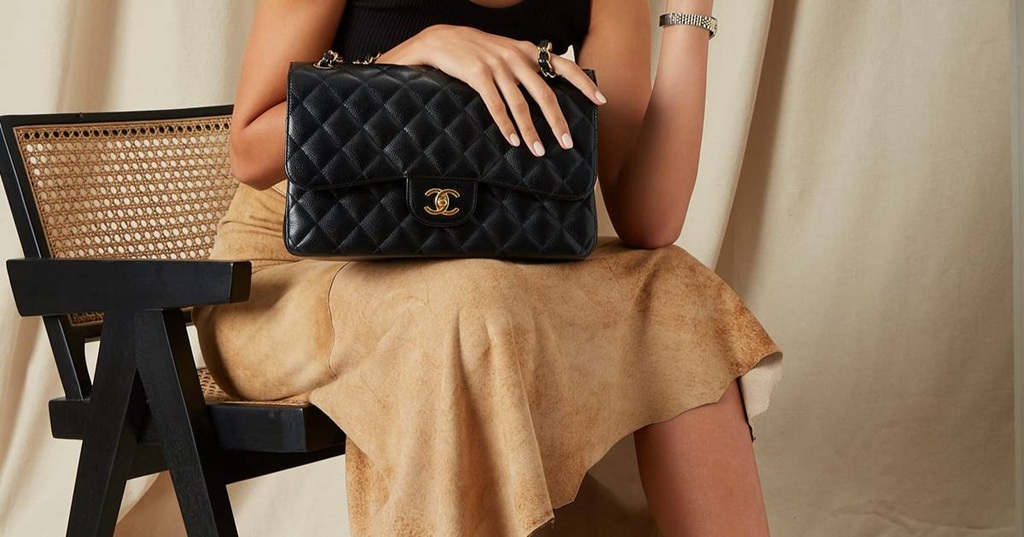
Choosing reputable sources is crucial when purchasing a designer handbag.
- Authorized Retailers and Brand Boutiques:
- Purchasing directly from the brand’s official website or a reputable department store is the safest way to ensure authenticity.
- These retailers guarantee the authenticity of their products and often provide warranties or guarantees.
- Reputable Resale Platforms:
- Platforms specializing in pre-owned luxury goods can offer authentic bags at more accessible prices. However, exercise caution and choose platforms with established authentication processes.
- Look for platforms that offer authentication services by independent experts and provide guarantees against counterfeits.
- Auction Sites and Online Marketplaces:
- While you might find bargains on auction sites and online marketplaces, the risk of purchasing a counterfeit is significantly higher.
- If you choose to buy from these sources, thoroughly research the seller’s reputation and ask for detailed photos and documentation.
- Avoid Unverified Sellers and Street Vendors:
- Deals that seem too good to be true often are. Be wary of sellers offering designer bags at significantly discounted prices, especially in unverified settings.
- Street vendors or pop up shops are very high risk locations for counterfeit goods.
Related: Decoding the Allure of the Consuela Pink Candy Crush Handbag
People Also Ask (FAQs)
-
Q: How can I spot a fake Louis Vuitton bag?
- A: Look for consistent stitching, a perfectly aligned monogram pattern, and high-quality hardware. Check the date code and compare it to official Louis Vuitton resources.
-
Q: What are the telltale signs of a counterfeit Chanel bag?
- A: Chanel bags have meticulous stitching, high-quality leather, and a unique serial number. Examine the CC logo, the hardware, and the interior lining closely.
-
Q: How can I authenticate a Gucci purse?
- A: Gucci bags feature precise stitching, high-quality materials, and a distinctive serial number. Verify the logo, the hardware, and the leather quality.
-
Q: Is it safe to buy designer bags online?
- A: Yes, but only from reputable online retailers or platforms with established authentication processes. Research the seller’s reputation and look for guarantees against counterfeits.
-
Q: Can authentication cards be trusted?
- A: While they can provide some information, authentication cards can be easily counterfeited. They shouldn’t be the sole basis for determining authenticity.
-
Q: What is a date code or serial number?
- A: It is a unique code that the designer brands place within the bag to help verify authenticity, and track the production of the bag.
-
Q: What are third party authentication services?
- A: These are services that, for a fee, will examine a handbag and issue an opinion as to the authenticity of the bag. These are very valuable tools.
-
Q: What brands are the most counterfeited?
- A: Louis Vuitton, Chanel, Gucci, Hermes, and Prada are some of the most counterfeited brands.
-
Q: Where can I find information about the specific authentication markers of a brand?
- A: The brands official web pages, or forums that focus on the specific brands are good resources.
Conclusion: Empowering the Savvy Consumer
The counterfeit market poses a significant challenge for luxury consumers. However, by arming yourself with knowledge and adopting a meticulous approach, you can confidently navigate the world of designer handbags. Remember to prioritize reputable sources, scrutinize details, and seek expert opinions when necessary.
Authenticating a designer purse is not just about protecting your investment; it’s about honoring the craftsmanship and artistry that goes into creating these exquisite pieces. By becoming a savvy consumer, you contribute to a market that values authenticity and integrity. In a world where imitations abound, the true value lies in owning a genuine piece of luxury, a testament to timeless style and enduring quality.