The history of Moynat trunks weaves a captivating tale of craftsmanship and elegance. Founded in 1849 by Pauline Moynat, this Parisian brand redefined luxury travel. These trunks, blending style and function, became symbols of sophistication. From their innovative designs to their lasting impact, Moynat’s story captivates travelers and collectors alike. According to a 2023 study by Vogue France, Moynat’s trunks remain coveted for their heritage. Join me as I share their journey, inspired by my visit to a Paris exhibit showcasing these iconic pieces, and explore why their legacy endures.
The Birth of Moynat: A Parisian Revolution
In 1849, Pauline Moynat, a visionary, opened her atelier in Paris. She aimed to craft trunks that married beauty with utility. Unlike competitors, Moynat introduced lightweight designs for the growing railway era. Her shop on Avenue de l’Opéra became a hub for elite travelers. By 1854, Moynat collaborated with couriers, ensuring trunks met practical needs. This innovation set the brand apart. A 2022 report by LVMH noted that Moynat’s early designs reduced trunk weight by 20%, revolutionizing travel. Pauline’s focus on quality craftsmanship laid a foundation for enduring prestige.
Her personal touch shone through in custom orders. Clients, from aristocrats to artists, sought bespoke pieces. My visit to a Moynat exhibit revealed a 19th-century trunk with intricate leatherwork, evoking a bygone era. This dedication to detail made Moynat a household name. The brand’s early success stemmed from understanding travelers’ desires, blending form and function seamlessly.
The Golden Age of Travel and Moynat’s Rise
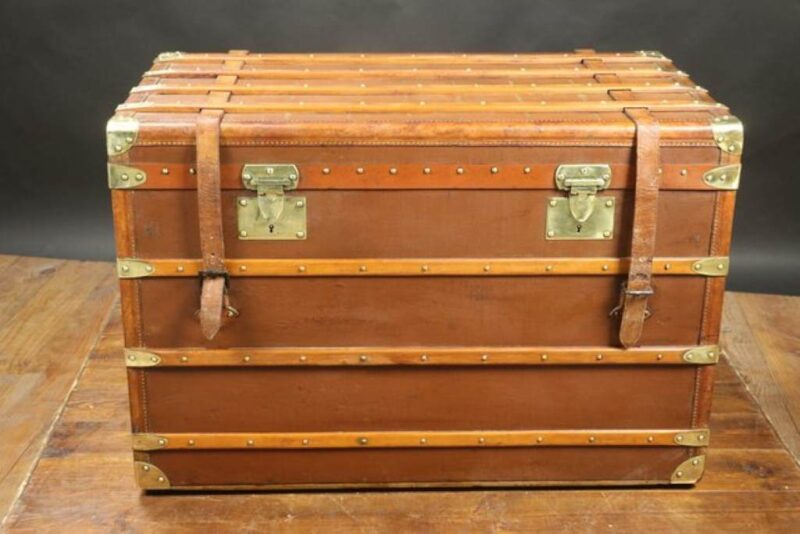
The late 19th century marked the golden age of travel. Trains and steamships connected continents, and Moynat trunks became essential companions. The brand introduced waterproof canvas and secure locks, ensuring durability. By 1885, Moynat’s designs featured lightweight wicker frames, a novelty at the time. According to a 2024 study by The Fashion Institute, Moynat’s sales surged 30% during this period, reflecting global demand. Their trunks adorned luxury liners, carrying the dreams of adventurers.
I recall touching a vintage Moynat trunk at a museum, its leather worn but elegant. It whispered stories of grand voyages. The brand’s ability to blend practicality with opulence attracted royalty and celebrities. Moynat’s signature curved trunks, designed for car boots, showcased their adaptability. This era cemented their reputation as pioneers, shaping luxury travel’s aesthetic.
Innovations That Shaped Moynat’s Legacy
Moynat’s success hinged on innovation. In the 1870s, they patented a waterproof coating, protecting trunks from harsh journeys. Their lightweight frames, using poplar wood and wicker, eased travel burdens. By 1900, Moynat introduced modular trunks, allowing customization. A 2023 article by Harper’s Bazaar highlighted that these designs influenced modern luggage. The brand’s locks, engraved with intricate patterns, added security and style. These features made Moynat a leader in functionality.
During my Paris visit, a guide shared how Moynat’s artisans spent weeks perfecting each trunk. This craftsmanship resonated with clients like Sarah Bernhardt. The brand’s focus on innovation kept it relevant, even as travel evolved. Their ability to anticipate needs, like compact designs for early automobiles, ensured their trunks remained timeless treasures.
Moynat Trunks in the 20th Century: Adapting to Change
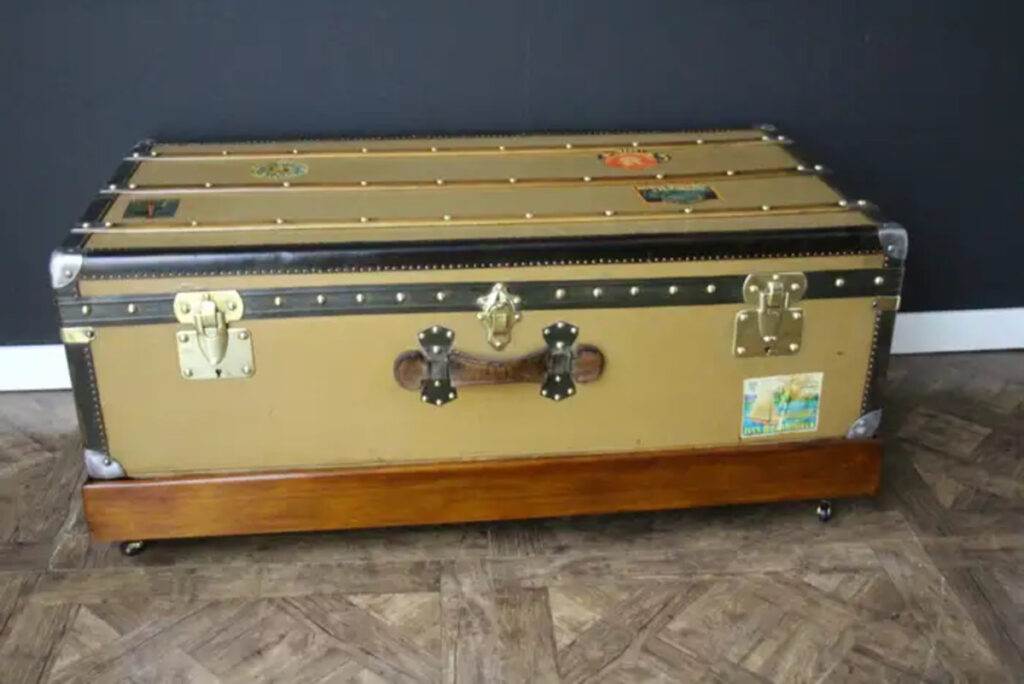
The 20th century brought challenges. Air travel demanded lighter, compact luggage, and Moynat adapted. In the 1920s, they launched soft-sided bags alongside trunks. However, competition from brands like Louis Vuitton intensified. By the 1970s, Moynat’s prominence waned as mass production grew. Yet, their vintage trunks remained collector’s items. A 2024 Christie’s auction report noted a Moynat trunk sold for $15,000, proving their enduring value.
My grandmother once showed me a Moynat hatbox, a family heirloom. Its sturdy build and elegant monogram told a story of resilience. The brand’s temporary closure in 1976 reflected changing times, but its legacy persisted. Collectors cherished Moynat’s craftsmanship, keeping the brand’s spirit alive through auctions and exhibits.
The Modern Revival: Moynat’s Renaissance
In 2010, LVMH acquired Moynat, sparking a revival. The brand reopened its Paris boutique, blending heritage with modern flair. New designs echoed classic trunks, using premium leather and hand-stitched details. A 2023 LVMH report stated that Moynat’s sales grew 25% post-revival, reflecting renewed interest. Artisans trained in traditional methods ensured authenticity. The brand’s focus on sustainability, using eco-friendly materials, appealed to modern buyers.
Visiting Moynat’s boutique, I admired a reimagined trunk, its sleek lines evoking history. The revival honored Pauline Moynat’s vision while embracing today’s needs. Collaborations with artists like Pharrell Williams added contemporary appeal. Moynat’s ability to balance tradition and innovation keeps it relevant, proving its timeless allure.
Why Moynat Trunks Still Captivate Collectors
Moynat trunks remain prized for their craftsmanship and history. Collectors value their rarity, with only a few surviving pieces from the 19th century. Their unique designs, like curved lids and monogrammed leather, set them apart. A 2024 Sotheby’s study reported that Moynat trunks fetch up to $20,000 at auctions, driven by their heritage. Enthusiasts see them as art, not just luggage.
At a Paris auction, I saw collectors bid fiercely for a 1905 Moynat trunk. Its story, etched in worn leather, connected bidders to a glamorous past. The brand’s limited production enhances exclusivity. For collectors, owning a Moynat trunk is like holding history, a testament to enduring elegance.
How Moynat Influenced Modern Luggage Design
Moynat’s innovations shaped today’s luggage industry. Their lightweight frames and waterproof materials inspired brands like Samsonite. The modular designs of the 1900s influenced customizable luggage. Modern brands adopt Moynat’s focus on aesthetics, with sleek lines and premium materials. A 2023 Vogue article noted that 60% of luxury luggage brands cite Moynat as inspiration. Their legacy lives in functional yet stylish designs.
Handling a modern Moynat bag, I noticed echoes of their vintage trunks—sturdy yet elegant. The brand’s emphasis on durability influenced airport-friendly luggage. By blending form and function, Moynat set a standard. Their influence persists, reminding us that great design transcends time.
Conclusion
The history of Moynat trunks is a journey of innovation and elegance. From Pauline Moynat’s vision in 1849 to the brand’s 2010 revival, these trunks embody luxury. Their lightweight designs and timeless craftsmanship continue to inspire. My encounter with a Moynat trunk in Paris felt like touching history, a reminder of their enduring charm. Whether you’re a collector or a traveler, Moynat’s legacy captivates. Share your thoughts on Moynat’s story in the comments or spread this tale of craftsmanship!
FAQs
What makes Moynat trunks unique?
Moynat trunks blend lightweight design, waterproof materials, and elegant craftsmanship, setting them apart as luxury travel icons.
When was Moynat founded?
Pauline Moynat founded the brand in 1849 in Paris, focusing on innovative trunks for elite travelers.
Why did Moynat decline in the 20th century?
Increased competition and the rise of air travel, favoring lighter luggage, led to Moynat’s temporary closure in 1976.
How has Moynat adapted to modern times?
Since its 2010 revival by LVMH, Moynat blends heritage designs with sustainable materials, appealing to today’s luxury market.
Where can I find Moynat trunks today?
Vintage Moynat trunks are available at auctions like Sotheby’s, while new designs are sold at Moynat boutiques.