In Victorian England, innovation and elegance combined to revolutionize fashion accessories. Among these innovations, frame bags emerged as timeless pieces of craftsmanship. Their designs reflected the era’s evolving cultural and technological landscape while laying the foundation for modern handbag trends. This deep dive into the origins of frame bags in Victorian England uncovers the stories, influences, and legacies behind these iconic fashion accessories.
A Glimpse into Victorian England: The Backdrop for Frame Bags
Victorian England (1837–1901) was an era marked by significant societal shifts. The Industrial Revolution was in full swing, women were beginning to enter the workforce in greater numbers, and the concept of fashion as self-expression was blossoming. Accessories like frame bags weren’t just functional—they were status symbols that reflected the wearer’s social standing and taste.
The advancements in textile manufacturing and metalwork during this period were pivotal in the creation of frame bags. Metal frames, which were the hallmark of these bags, became more accessible due to innovations like the Bessemer process, which made steel production faster and cheaper. These technological breakthroughs enabled artisans to experiment with intricate designs, giving birth to a new era of fashion accessories that balanced functionality with aesthetic appeal.

What Exactly Is a Frame Bag?
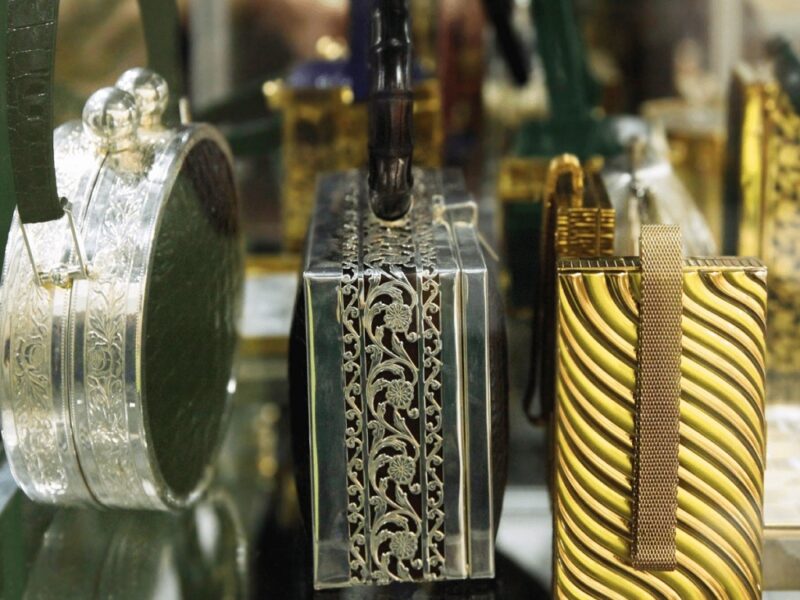
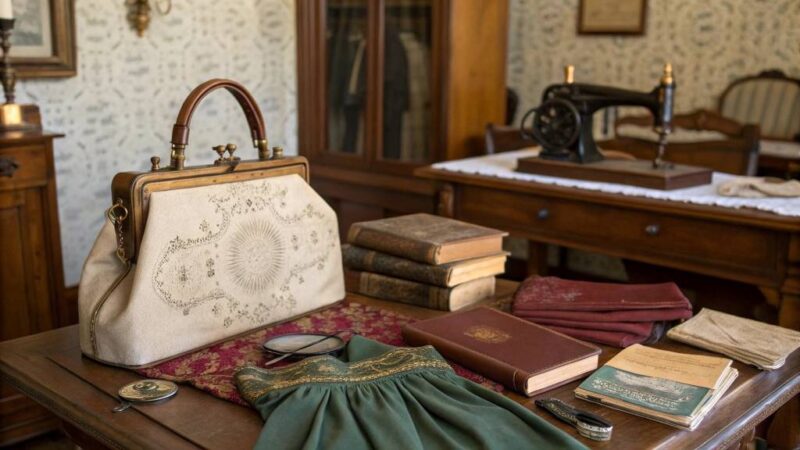
Frame bags, as the name suggests, are characterized by their rigid frames, often made from metal. The frame served as the skeleton of the bag, allowing it to retain its shape and provide a structured, polished look. Typically covered in luxurious fabrics like velvet, brocade, or fine leather, these bags were secured with a kiss-lock clasp or similar mechanisms that added both charm and practicality.
Unlike the flexible totes or drawstring pouches popular in earlier centuries, frame bags introduced a sense of order and sophistication. They became particularly popular among middle- and upper-class women, who used them to carry personal items such as calling cards, perfumes, or small trinkets.
The Cultural Significance of Frame Bags in Victorian Society
Frame bags weren’t just functional—they were also deeply symbolic. In Victorian society, where appearances played a critical role, the design and materials of a woman’s accessories could reveal her social status. Owning an intricately designed frame bag was a sign of affluence and taste.
Moreover, frame bags aligned with the Victorian ideals of modesty and decorum. Unlike bulky or ostentatious accessories, these bags were compact and understated, aligning with the era’s emphasis on refinement and restraint. For example, women attending high-society events often carried frame bags adorned with intricate embroidery or embellishments, showcasing their wealth and artistic sensibility without being overly conspicuous.
The Role of Industrial Advancements in Frame Bag Design
The Industrial Revolution was instrumental in shaping the design and accessibility of frame bags. Before this period, handbags were predominantly handcrafted, making them exclusive and expensive. However, the introduction of mechanized looms and metalworking machinery made it possible to produce frame bags more efficiently.
By the mid-19th century, manufacturers began experimenting with a variety of materials and styles. Leather, which was previously too expensive for mass use, became more affordable due to innovations in tanning processes. This led to the creation of durable yet stylish frame bags that catered to a broader audience.
Interestingly, the rise of department stores during the Victorian era also played a role in popularizing frame bags. Retail giants like Harrods and Selfridges began showcasing these accessories in their storefronts, making them more desirable to the burgeoning middle class.
Frame Bags as an Expression of Victorian Craftsmanship
Victorian frame bags were more than just practical items—they were masterpieces of craftsmanship. Artisans took great pride in their work, incorporating intricate details like hand-stitched embroidery, ornate metal clasps, and even semi-precious stones.
One notable trend was the use of floral motifs, which were symbolic of the Victorian fascination with nature and the language of flowers. These designs often carried specific meanings; for example, roses symbolized love, while lilies represented purity.
The attention to detail in these bags reflected the broader Victorian ethos of valuing artistry and quality. Unlike modern mass-produced accessories, each frame bag was a unique creation, showcasing the skill and creativity of its maker.
The Influence of Frame Bags on Modern Handbag Trends
While frame bags may have originated in the Victorian era, their influence is still evident in today’s fashion world. Modern designers frequently draw inspiration from these classic accessories, incorporating elements like kiss-lock clasps and structured silhouettes into their collections.
Brands such as Gucci and Prada have released contemporary versions of frame bags, blending vintage charm with modern functionality. The resurgence of interest in sustainable fashion has also contributed to the popularity of frame bags, as their timeless designs and durable construction align with the principles of slow fashion.
Why Frame Bags Remain Timeless
The enduring appeal of frame bags lies in their perfect balance of form and function. They are elegant yet practical, making them suitable for a wide range of occasions. Furthermore, their structured design ensures that they remain a symbol of sophistication, even in an era dominated by casual, unstructured bags.
According to fashion historian Valerie Steele, “The Victorian frame bag was a revolutionary accessory that bridged the gap between practicality and style, paving the way for the modern handbag as we know it.”
Final Thoughts
The story of frame bags in Victorian England is a testament to the era’s innovative spirit and commitment to elegance. From their humble beginnings as practical accessories to their status as symbols of refinement, frame bags encapsulate the cultural and technological advancements of their time.
Today, they serve as a reminder of the enduring power of thoughtful design and craftsmanship. Whether you’re a fashion enthusiast or a history buff, the origins of frame bags offer a fascinating glimpse into the intersection of culture, technology, and style in one of history’s most dynamic periods.
FAQs
What materials were commonly used in Victorian frame bags?
Victorian frame bags were often made from leather, velvet, or brocade, with metal frames and embellishments like embroidery or semi-precious stones.
How did the Industrial Revolution impact the production of frame bags?
The Industrial Revolution introduced mechanized processes for textile and metal production, making frame bags more affordable and accessible to a wider audience.
Why were frame bags popular among Victorian women?
Frame bags were compact, stylish, and aligned with Victorian ideals of modesty and refinement, making them a popular choice for women of the era.
Are frame bags still popular today?
Yes, frame bags have experienced a resurgence in popularity, with modern designers incorporating vintage-inspired elements into their collections.
What is the significance of floral motifs in Victorian frame bags?
Floral motifs were a reflection of the Victorian fascination with nature and often carried symbolic meanings, such as love or purity.
How did department stores contribute to the popularity of frame bags?
Department stores like Harrods and Selfridges showcased frame bags in their displays, making them desirable to the growing middle class during the Victorian era.