

A teacher’s day moves fast. From lesson planning to classroom management, everything depends on staying organized and prepared. That is where the right bag makes a real difference. In fact, studies from the National Center for Education Statistics show that teachers spend over 50 hours per week on school-related tasks. Meanwhile, research from the OECD highlights that efficient organization directly improves productivity and reduces stress.
If you are searching for the best one, you are likely looking for a smart mix of function and style. The right teacher bags help you carry essentials, stay organized, and feel confident every day. This guide breaks everything down in a simple, practical way so you can choose a bag that truly works for your routine.
Why Choosing the Right Teacher Bag Matters
A teacher bag is more than just storage. It acts as your daily workspace on the move.
First, it keeps materials in order. When everything has its place, you save time and avoid stress.
Second, it protects your essentials like laptops, papers, and supplies.
Third, it reflects your personal style while staying professional.
Without a proper bag, you may struggle with clutter, damaged items, and unnecessary frustration. On the other hand, the right bag improves both efficiency and comfort throughout the day.
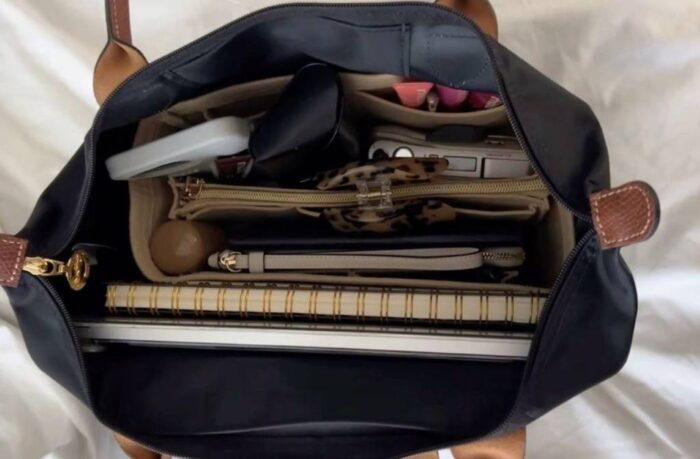
Key Features to Look for in Teacher Bags
1. Smart Organization Compartments
Organization is the most important factor. A well-designed bag should include:
- Multiple compartments for books, folders, and stationery
- A padded laptop sleeve
- Small pockets for keys, pens, and personal items
- Easy-access sections for frequently used materials
When each item has a dedicated space, you reduce time spent searching and stay focused on teaching.
2. Comfortable Carrying Design
Teachers often carry heavy loads. Therefore, comfort should never be ignored.
Look for:
- Adjustable shoulder straps
- Padded handles
- Lightweight materials
- Balanced weight distribution
Comfortable designs help prevent shoulder strain and fatigue, especially during long school days.
3. Durable and Long Lasting Materials
A teacher bag must handle daily wear and tear. Strong materials ensure reliability.
Popular options include:
- Canvas for flexibility and strength
- Leather for a polished, professional look
- Nylon for lightweight durability and water resistance
Durability means fewer replacements and consistent performance over time.
4. Size and Capacity
The ideal size depends on your daily needs.
Ask yourself:
- Do you carry a laptop daily?
- How many books or notebooks do you transport?
- Do you need space for personal items like lunch or water bottles?
Choose a size that fits your routine without feeling bulky.
Types of Teacher Bags
Tote Bags
Tote bags are a popular choice for teachers.
They offer:
- Open space for quick access
- Lightweight design
- Stylish appearance
However, they may lack structured compartments, so choose one with added pockets for better organization.
Backpacks
Backpacks provide maximum comfort and support.
They are ideal if you carry heavier items daily.
Benefits include:
- Even weight distribution
- Hands-free convenience
- Multiple compartments
They are especially useful for teachers who move between classrooms.
Messenger Bags
Messenger bags offer a balance between style and function.
Key features:
- Crossbody design for easy carrying
- Professional appearance
- Organized interior sections
They work well for teachers who prefer a sleek and structured look.
Rolling Bags
Rolling bags reduce physical strain completely.
They are best for:
- Carrying heavy teaching materials
- Long walking distances within school
- Avoiding shoulder or back discomfort
While slightly bulky, they provide unmatched convenience for heavy loads.
How to Match Style with Professional Needs
A teacher bag should reflect both personality and professionalism.
Choose Neutral or Classic Colors
Colors like black, brown, navy, or beige create a polished look. They also match most outfits easily.
Keep It Minimal Yet Functional
Avoid overly flashy designs. Instead, focus on clean lines and practical features.
Balance Fashion with Utility
A stylish bag should still meet your daily needs. Always prioritize function before appearance.
Daily Use Considerations
Easy Access During Busy Schedules
Teachers often need quick access to materials. Choose bags with:
- Wide openings
- External pockets
- Simple closures
This saves time during lessons and transitions.
Weather Resistance
Unexpected weather can damage your belongings.
Look for:
- Water resistant materials
- Strong zippers
- Protective linings
These features keep your items safe in all conditions.
Maintenance and Cleaning
A low maintenance bag is essential for daily use.
Choose materials that:
- Wipe clean easily
- Resist stains
- Maintain shape over time
This ensures your bag always looks professional.
Practical Tips Before Buying
Before making a decision, consider these steps:
- List your daily essentials
- Check the bag’s compartment layout
- Test weight and comfort if possible
- Read user reviews for real-world insights
- Compare different styles based on your routine
These steps help you avoid common mistakes and choose wisely.
Common Mistakes to Avoid
Even experienced buyers make simple errors. Avoid these:
- Choosing style over functionality
- Ignoring comfort and weight
- Buying a bag that is too small or too large
- Overlooking durability
- Skipping internal organization features
Each of these mistakes can affect your daily experience significantly.
Real Life Example
Consider a middle school teacher who carries a laptop, lesson plans, and supplies daily.
Initially, they used a basic tote bag. However, items became disorganized, and the weight caused discomfort.
After switching to a structured backpack with compartments, they noticed:
- Faster access to materials
- Reduced physical strain
- Better overall organization
This simple change improved daily workflow and reduced stress.
Conclusion
Choosing the right teacher bag is not just about carrying items. It is about improving your daily routine, staying organized, and feeling confident at work.
Focus on functionality first, then consider comfort and style. Pay attention to compartments, durability, and daily usability. When you make a thoughtful choice, your bag becomes a reliable partner in your teaching journey.
Take time to evaluate your needs today and choose a bag that truly supports your work.
FAQs
What is the best type of teacher bag for daily use?
Backpacks and structured tote bags work best for daily use because they offer both organization and comfort.
How many compartments should a teacher bag have?
A good teacher bag should have at least 4 to 6 compartments to keep items organized and easy to access.
Are backpacks better than tote bags for teachers?
Backpacks are better for heavy loads due to even weight distribution, while tote bags suit lighter, quick access needs.
What material is best for teacher bags?
Canvas, leather, and nylon are excellent choices because they balance durability, style, and ease of maintenance.
How do I keep my teacher bag organized?
Use small pouches, assign specific sections for each item, and clean your bag weekly to maintain order.


