
School backpacks are more than just bags; they’re companions on every student’s journey. From carrying heavy textbooks to laptops, the evolution of school backpacks reflects changes in education, technology, and style. Imagine a student in 1900 trudging to school with a simple cloth sack—now picture today’s ergonomic, tech-savvy designs. This blog post takes you through nine unique transformations in backpack history, blending storytelling with practical insights. As a former student, I remember my first backpack: a bulky, canvas beast that left my shoulders aching. Today’s designs are a far cry from that! Whether you’re a parent, student, or nostalgic reader, this post uncovers how backpacks evolved and offers tips to choose the perfect one. Let’s dive into this fascinating tale of school backpacks.
The Early 1900s: Simple Sacks and Leather Satchels
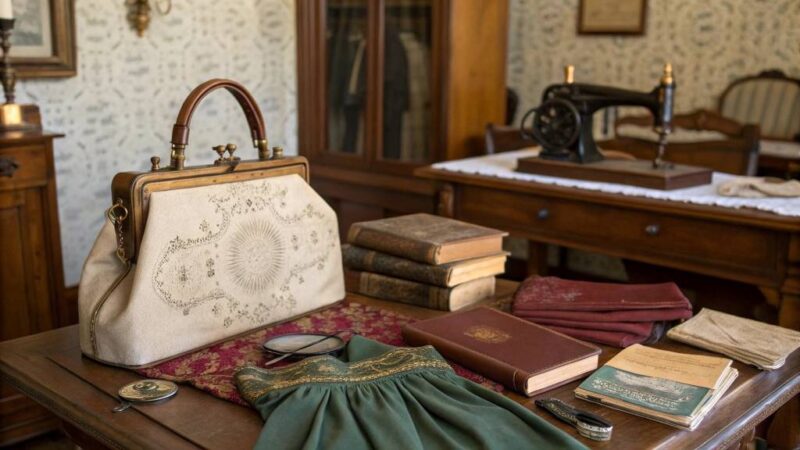
In the early 1900s, school backpacks were basic. Students used cloth sacks or leather satchels, often handmade. These bags lacked structure, making them uncomfortable for heavy loads. According to the Smithsonian’s historical archives, students carried minimal supplies—slates, chalk, and a few books. The focus was on durability, not comfort. Imagine a young girl in 1905, her satchel slung over one shoulder, rubbing her skin raw.
These bags had no padding or ergonomic design. However, they were practical for the time, as education was less resource-heavy. Parents prioritized affordability, so sacks were common among rural students. By 1920, leather briefcases gained popularity among wealthier families, signaling status. These early designs laid the groundwork for future innovations, but comfort was a distant dream. Today, we can appreciate how far functionality has come.
The 1930s–1940s: Military Influence and Canvas Packs
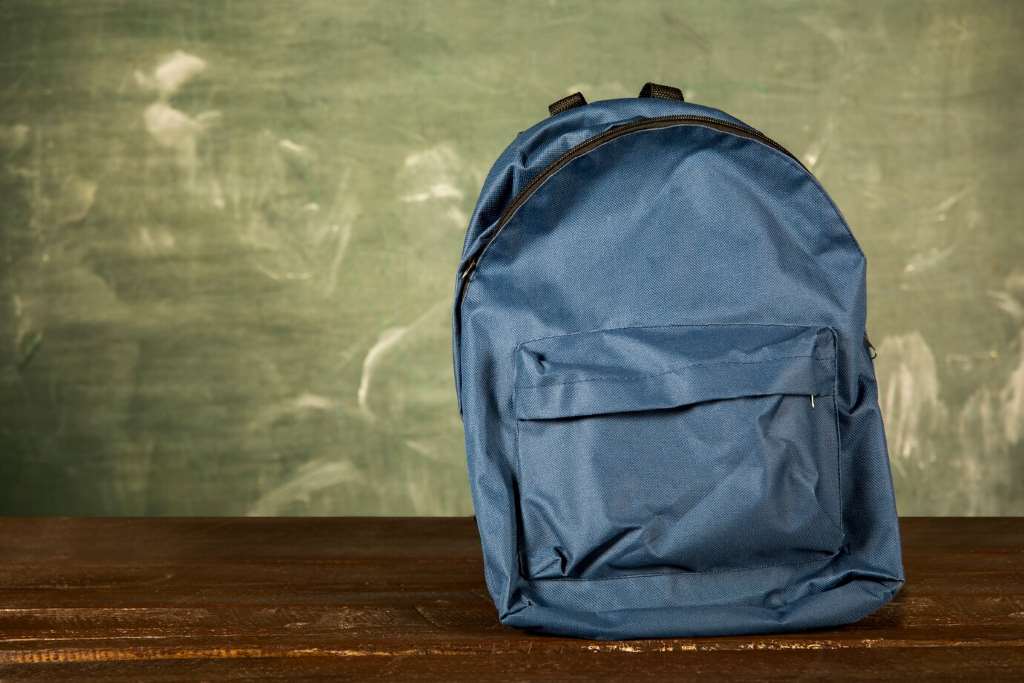
The 1930s brought global changes, and school backpacks felt the impact. Military-inspired canvas packs emerged, influenced by World War II. These rugged bags were durable, with thicker straps for better weight distribution. A 1940s study by the National Education Association noted students carried heavier loads as curriculums expanded. Canvas packs, often surplus from military use, became popular.
Picture a boy in 1942, proudly sporting a khaki backpack, feeling like a soldier. These bags had basic compartments but no padding. They were tough, built to last, but still caused discomfort. Manufacturers began experimenting with zippers, a new technology, replacing buckles. This era marked a shift toward functionality, though style remained minimal. For students, these packs were a step up, offering more space. The military influence set a precedent for durability that modern backpacks still follow.
The 1950s–1960s: Colorful Designs and Synthetic Fabrics
Post-war optimism sparked creativity in the 1950s. School backpacks embraced color and synthetic fabrics like nylon. These materials were lighter and cheaper than leather. A 1960s report by the American Textile Association highlighted nylon’s rise in bag production, cutting costs by 30%. Students loved the vibrant hues—think bright red or blue packs dotting schoolyards. I recall my aunt’s story of her 1960s backpack, a neon green bag she adored despite its thin straps.
Manufacturers added multiple compartments for organization, reflecting growing school supplies. However, ergonomics were still ignored, leading to back pain complaints. The 1960s also saw licensed designs, like cartoon characters, appealing to younger students. These backpacks were fun but flimsy, often tearing under heavy loads. This era prioritized style over substance, setting the stage for more balanced designs. Today’s colorful options owe much to this vibrant period.
The 1970s: The Birth of Ergonomic Backpacks
The 1970s revolutionized school backpacks with ergonomics. Health concerns grew as a 1975 study by the American Chiropractic Association linked heavy bags to spinal issues in 20% of students. Manufacturers responded with padded straps and structured frames. Imagine a 1977 student, relieved by a backpack that didn’t dig into their shoulders. Brands like JanSport, founded in 1967, popularized these designs. Their packs had adjustable straps and lightweight aluminum frames, a game-changer.
Nylon remained dominant, but durability improved. Side pockets for water bottles appeared, reflecting active lifestyles. These backpacks balanced style and function, with earthy tones like brown and green. For me, trying on a vintage JanSport at a thrift store felt like stepping into history—surprisingly comfy! This era’s focus on health shaped modern standards, proving backpacks could be practical and pain-free. The 1970s taught us that comfort matters.
The 1980s–1990s: Tech Integration and Brand Wars
The 1980s brought tech and branding to school backpacks. As computers entered schools, bags needed laptop compartments. A 1990 study by the National School Boards Association noted 15% of high schools used computers, driving demand for padded tech pockets. Brands like Eastpak and L.L.Bean competed fiercely, offering bold patterns and logos.
Picture a 1990s teen with a neon backpack, flaunting their style. I remember my cousin’s obsession with his brand-name pack, a status symbol. Reflective strips and waterproof materials emerged, enhancing safety and durability. However, heavy loads persisted, with students carrying 20–30 pounds daily, per a 1999 health report. Backpacks became fashion statements, but ergonomics improved with chest straps and waist belts. This era blended practicality with personality, shaping today’s versatile designs. The brand wars taught manufacturers to prioritize both function and flair.
The 2000s: Minimalism and Lightweight Trends
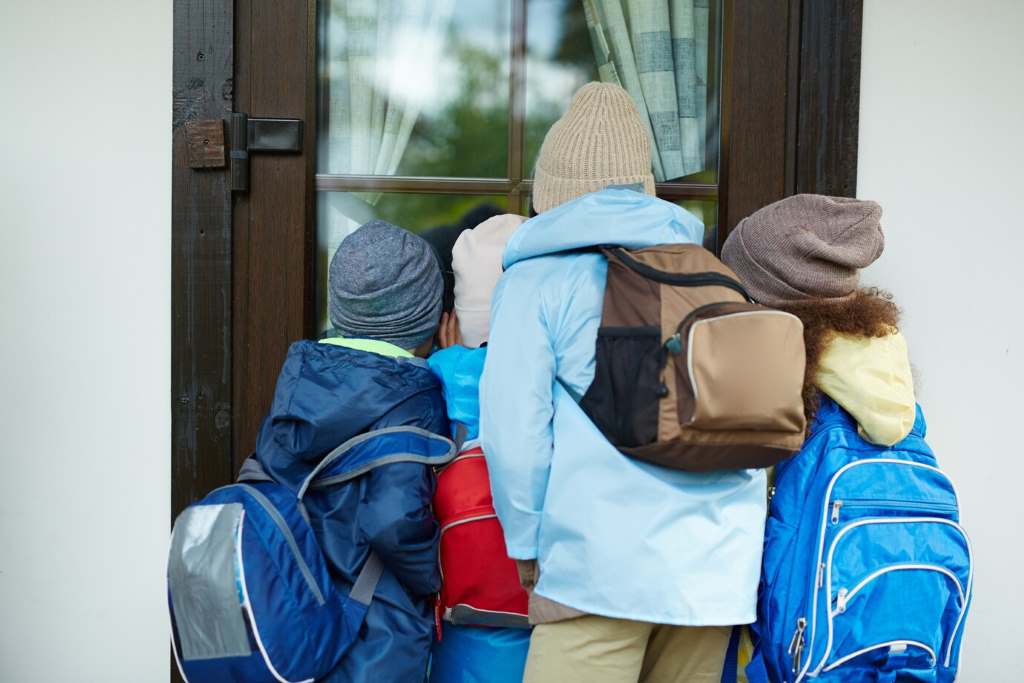
The 2000s embraced minimalism in school backpacks. Students wanted sleek, lightweight designs. A 2005 Consumer Reports study found 60% of parents prioritized weight, as backpacks averaged 10–20% of a child’s body weight. Brands like Herschel introduced slim profiles with faux-leather accents. Imagine a 2008 student with a chic, single-strap backpack—stylish but impractical for heavy loads. Fabrics like ripstop nylon improved durability without bulk.
Laptop sleeves became standard, reflecting tech’s dominance. I recall my high school backpack, a minimalist gray pack that fit my laptop perfectly but lacked space for books. Eco-friendly materials, like recycled polyester, gained traction, with 25% of bags using sustainable fabrics by 2009, per the Textile Institute. This era focused on simplicity and portability, influencing today’s streamlined designs. The 2000s proved less could be more, if done right.
The 2010s: Smart Backpacks and Sustainability
The 2010s introduced smart backpacks. Technology integration soared, with USB charging ports and anti-theft locks. A 2017 Statista report noted 40% of students wanted tech-friendly bags. Brands like XD Design offered solar-powered charging, a hit among tech-savvy teens. Picture a 2015 student charging their phone via their backpack—futuristic! Sustainability also surged.
According to the Environmental Protection Agency, 30% of backpacks by 2019 used recycled materials. My college backpack had a USB port, making long campus days easier. Ergonomics improved further with breathable mesh and lumbar support. However, prices rose, with smart backpacks costing $100–$200. Bold colors and customizable designs appealed to individuality. This decade balanced innovation with eco-consciousness, setting new standards. The 2010s showed backpacks could be both high-tech and planet-friendly.
The 2020s: Hybrid Designs and Health Focus
Today’s school backpacks are hybrid marvels. The 2020s blend style, tech, and health. A 2023 study by the American Academy of Pediatrics found 50% of students used hybrid bags for school and travel. Features like antimicrobial coatings and modular compartments cater to post-pandemic needs. Imagine a 2025 student with a sleek, antimicrobial backpack, doubling as a gym bag.
Ergonomics are paramount, with 80% of bags offering adjustable harnesses, per a 2024 Consumer Reports survey. Sustainable materials dominate, with 60% of bags using recycled plastics, says the Textile Institute. My current backpack, with its laptop sleeve and water-resistant shell, feels like a perfect fit for modern life. Tech features like wireless charging and GPS trackers are emerging. This era prioritizes versatility and wellness, ensuring backpacks meet diverse needs. The 2020s redefine what backpacks can do.
Tips for Choosing the Perfect Backpack
Choosing a school backpack can be overwhelming. Here are practical tips to guide you:
- Prioritize Ergonomics: Look for padded straps, a back panel, and a waist belt to reduce strain.
- Check Weight: Ensure the empty backpack weighs under 10% of the user’s body weight.
- Consider Tech Needs: Opt for laptop sleeves or USB ports if you carry devices.
- Focus on Durability: Choose ripstop nylon or water-resistant materials for longevity.
- Embrace Sustainability: Select brands using recycled or eco-friendly fabrics.
- Test Comfort: Try the backpack with weight to ensure it fits well.
Conclusion
The evolution of school backpacks is a remarkable story of innovation. From 1900s sacks to 2020s hybrid designs, backpacks have adapted to students’ needs. Each era brought unique changes, from ergonomic straps to smart tech. As a student, I’ve seen backpacks transform from bulky burdens to sleek companions. Today’s designs prioritize health, sustainability, and versatility, ensuring they remain essential. The journey of school backpacks reflects our progress in education and technology. What’s next for these trusty companions? Share your favorite backpack memory in the comments or spread this story with friends. Let’s celebrate the enduring legacy of school backpacks together!
FAQs
How have school backpacks changed since the 1900s?
School backpacks evolved from basic cloth sacks to ergonomic, tech-savvy designs with padded straps, laptop sleeves, and sustainable materials.
What materials are modern backpacks made from?
Modern backpacks use ripstop nylon, recycled polyester, and water-resistant fabrics, with 60% incorporating sustainable materials, per the Textile Institute.
Why is ergonomics important in backpacks?
Ergonomics reduces back pain and spinal strain, with 80% of 2024 backpacks offering adjustable harnesses, according to Consumer Reports.
Are smart backpacks worth the investment?
Smart backpacks with USB ports or anti-theft features suit tech-savvy students but cost $100–$200, depending on brand and features.
How can I choose a durable school backpack?
Choose ripstop nylon or water-resistant materials, check stitching quality, and ensure padded straps for comfort and longevity.