The Victorian era, a period synonymous with bustling industry, societal change, and burgeoning fashion, saw a fascinating evolution in the world of accessories. Among these, the humble frame bag emerged as a must-have item for the fashionable lady, embodying both practicality and elegance. These bags, often crafted with exquisite detail and showcasing the finest materials, offer a glimpse into the lives, values, and sartorial sensibilities of the women who carried them.
More Than Just a Bag: Symbolism and Status
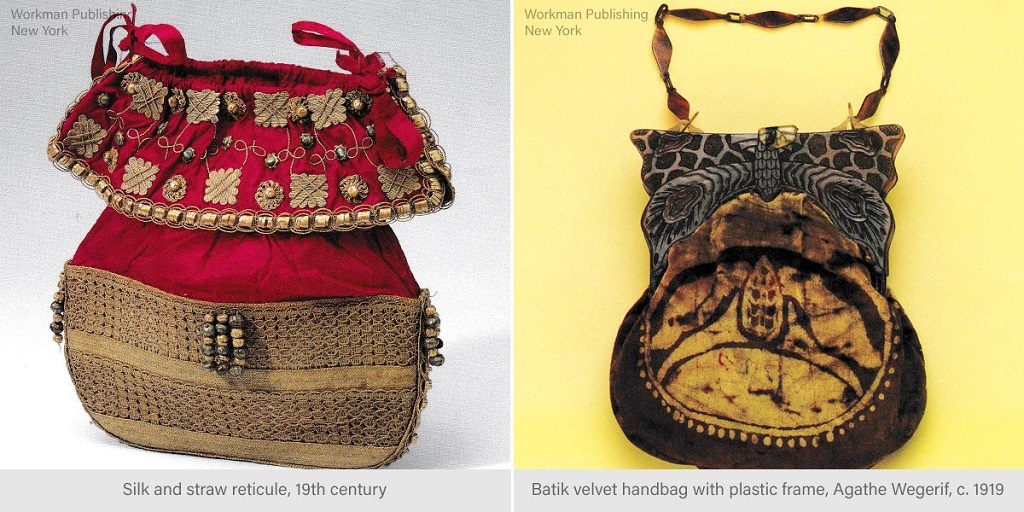
In Victorian England, a lady’s accessories were far more than mere functional items; they were powerful symbols of status, taste, and social standing. Frame bags, particularly those crafted from luxurious materials like silver, tortoiseshell, or ivory, and adorned with intricate beadwork, embroidery, or precious stones, were potent indicators of wealth and refinement. They were often gifted as tokens of affection or to commemorate special occasions, further elevating their significance.
Beyond their monetary value, frame bags also held symbolic meaning. Floral motifs, popular in Victorian design, spoke to the era’s fascination with botany and the language of flowers, with each bloom carrying its own unique message. Similarly, intricate metalwork or beading could depict scenes from mythology or literature, showcasing the owner’s education and cultural awareness.
Form and Function: The Anatomy of a Victorian Frame Bag
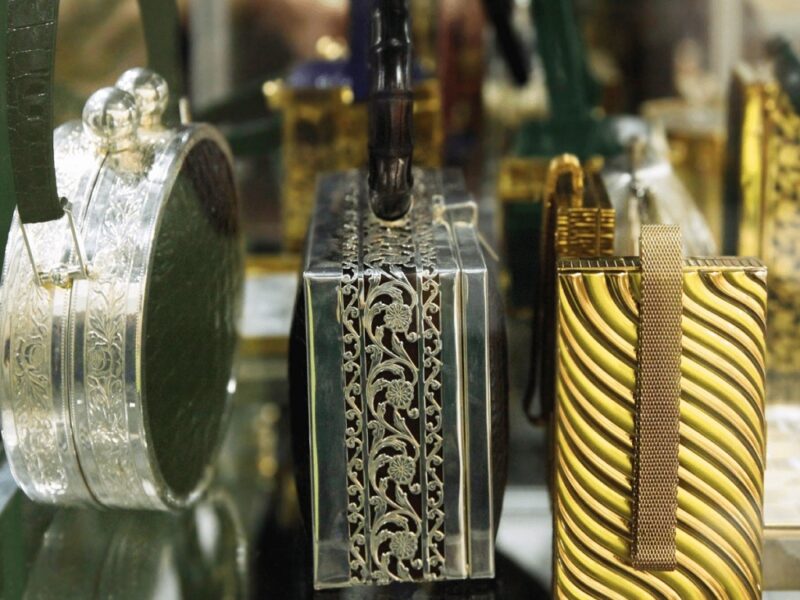
Victorian frame bags were typically small and rectangular or oval in shape, designed to be carried in the hand or suspended from a chatelaine, a decorative belt hook or chain. The defining feature of these bags was their rigid frame, usually made of metal, which provided structure and protected the contents.
The frames themselves were often works of art, featuring intricate engravings, filigree work, or repoussé designs. Popular materials included silver, brass, steel, and even gold for the most opulent examples. Some frames were adorned with enamel, mother-of-pearl, or gemstones, adding to their visual appeal.
The bag’s exterior was typically crafted from rich fabrics like velvet, silk, or tapestry, often embellished with beadwork, embroidery, or appliqué. Leather was another popular choice, particularly for everyday bags, prized for its durability and versatility.
Inside, the bags were lined with soft fabrics like silk or satin and often featured multiple compartments and pockets for organizing personal items. Essential contents might include a handkerchief, a small coin purse, a calling card case, a vinaigrette (a small container for smelling salts), and perhaps a miniature portrait or locket.
The Evolution of Style: Changing Trends in Frame Bags
The design of frame bags evolved throughout the Victorian era, reflecting changing fashions and societal trends.
- Early Victorian (1837-1860): Bags from this period tended to be relatively simple in design, often featuring geometric shapes and minimal ornamentation. Berlin woolwork, a type of embroidery using brightly colored yarn, was a popular decorative technique.
- Mid-Victorian (1860-1880): As the era progressed, frame bags became more elaborate. Naturalistic motifs, such as flowers, birds, and insects, gained popularity, influenced by the Aesthetic Movement’s emphasis on beauty and artistry. Beadwork became increasingly intricate, with tiny glass beads used to create dazzling patterns and designs.
- Late Victorian (1880-1901): The late Victorian period saw a revival of historical styles, with influences from the Renaissance and Rococo periods. Bags from this era often featured ornate metalwork, enamel decoration, and intricate figural scenes. The Arts and Crafts movement also had an impact, with some bags showcasing handcrafted designs and natural materials.
Beyond Fashion: Frame Bags and Victorian Society
Frame bags offer a fascinating window into the social customs and expectations of Victorian England. For women, whose lives were often confined to the domestic sphere, these bags represented a small measure of independence and self-expression.
The contents of a lady’s frame bag could reveal much about her activities and interests. A well-equipped bag might contain tools for needlework, writing materials for correspondence, or even small books for reading. For those involved in social activism or charitable work, the frame bag might hold pamphlets, petitions, or donation envelopes.
Frame bags also played a role in courtship rituals. A gentleman might admire a lady’s bag as a way of initiating conversation, and the exchange of small gifts, such as flowers or sweets, often took place via these handy receptacles.
Frame Bags Today: A Legacy of Elegance
The Victorian frame bag, with its timeless elegance and enduring appeal, continues to inspire designers and collectors today. Vintage bags are highly sought after by antique enthusiasts, while contemporary designers often draw inspiration from Victorian styles, reinterpreting them for modern audiences.
Whether a treasured heirloom or a modern creation, the frame bag remains a symbol of femininity, refinement, and enduring style. It serves as a tangible link to a bygone era, reminding us of the artistry, craftsmanship, and social nuances that shaped the Victorian world.
Read More Also: How to Print on Canvas Tote Bags: A Complete Step-by-Step Guide
Popular FAQs about Frame Bags in Victorian England
-
What were Victorian frame bags made of?
Victorian frame bags were typically made with a rigid frame of metal, such as silver, brass, steel, or even gold. The bag itself could be crafted from various materials, including velvet, silk, tapestry, or leather. They were often adorned with intricate beadwork, embroidery, or precious stones.
-
What did Victorian women carry in their frame bags?
Essential items in a Victorian woman’s frame bag might include a handkerchief, a small coin purse, a calling card case, a vinaigrette (a small container for smelling salts), and perhaps a miniature portrait or locket. Depending on her activities and interests, she might also carry tools for needlework, writing materials, small books, or even pamphlets and donation envelopes.
-
How were frame bags carried?
Frame bags were designed to be carried in the hand or suspended from a chatelaine, a decorative belt hook or chain.
-
Were all frame bags expensive?
While some frame bags were made with luxurious materials and intricate designs, making them quite expensive, others were crafted from more affordable materials like steel and leather for everyday use. The cost of a frame bag varied greatly depending on the materials used, the intricacy of the design, and the craftsmanship involved.
-
Why were frame bags so popular in Victorian England?
Frame bags were popular in Victorian England for several reasons:
- Practicality: They offered a convenient way for women to carry their essential belongings.
- Fashion: They were considered a fashionable accessory, reflecting the owner’s taste and status.
- Symbolism: They could convey symbolic meanings through their design and decoration.
- Social customs: They played a role in social interactions and courtship rituals.
-
Where can I find Victorian frame bags today?
You can find Victorian frame bags today in antique shops, vintage stores, online auction sites, and even some museums. Contemporary designers also create modern interpretations of these classic bags.
-
How can I tell if a frame bag is authentically Victorian?
Determining the authenticity of a Victorian frame bag can be challenging. Look for signs of age and wear, such as tarnished metal, faded fabrics, or loose stitching. Examine the construction techniques and materials used. Compare the bag to known examples from the Victorian era. Consulting with an antique expert or appraiser can also be helpful.
-
Are Victorian frame bags collectible?
Yes, Victorian frame bags are highly collectible, especially those in good condition with intricate designs or unique features. The value of a bag depends on factors like its age, materials, craftsmanship, and historical significance.
-
Can I use a Victorian frame bag today?
While you can certainly use a Victorian frame bag today, it’s important to handle it with care due to its age and delicate nature. Avoid overfilling the bag or exposing it to harsh conditions. Consider using a modern replica for everyday use to preserve the vintage piece.
-
What can frame bags tell us about Victorian society?
Frame bags offer valuable insights into Victorian society, including fashion trends, social customs, gender roles, and the values and aspirations of the people who used them. They serve as a tangible link to the past, allowing us to connect with the lives of those who came before us.