
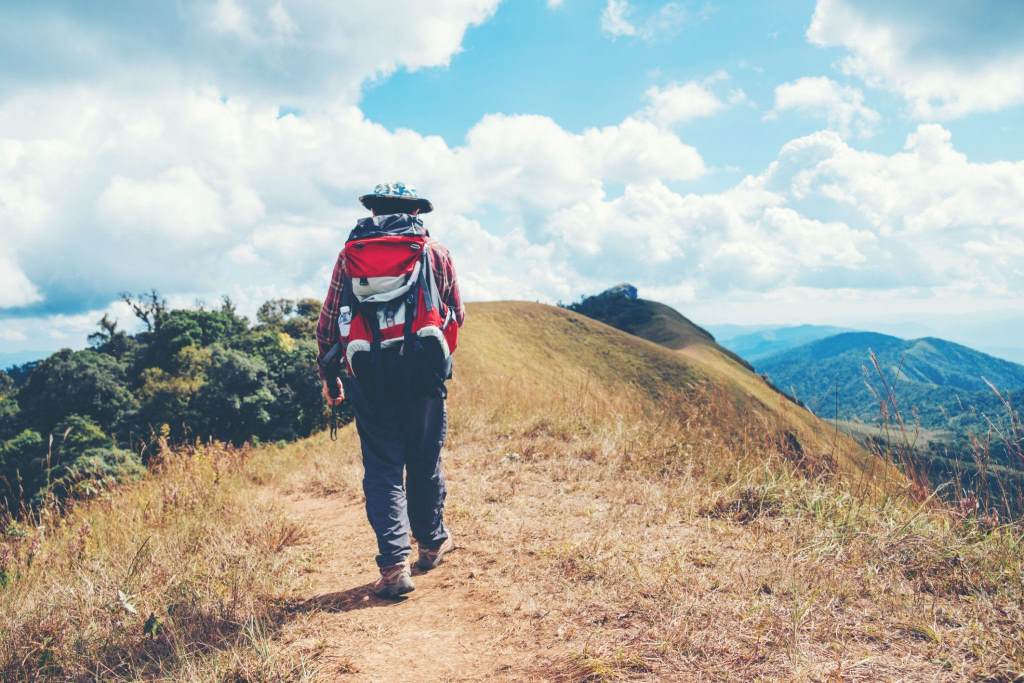
Choosing the right hiking backpack can make or break your outdoor experience. A well-fitted pack keeps you comfortable, balanced, and energized throughout the journey. On the other hand, a poor choice often leads to shoulder pain, fatigue, and even injury. According to the U.S. Forest Service, improper load distribution is one of the top causes of hiking discomfort. Additionally, research from the American Hiking Society shows that nearly 60 percent of hikers report back strain due to incorrect backpack fit. Therefore, understanding how to select the best backpack for hiking comfort and performance is essential for every outdoor enthusiast.
Why Choosing the Right Hiking Backpack Matters
A hiking backpack is not just a storage bag. It directly affects your posture, endurance, and safety. When weight sits correctly on your hips rather than your shoulders, you conserve energy and reduce strain. As a result, you can hike longer distances with less fatigue. Moreover, the right backpack improves balance, especially on uneven terrain. Poorly designed packs shift weight unpredictably, increasing the risk of falls. In contrast, ergonomic designs stabilize your load and enhance movement efficiency. Therefore, selecting the right pack is not optional. It is a critical decision for performance and comfort.
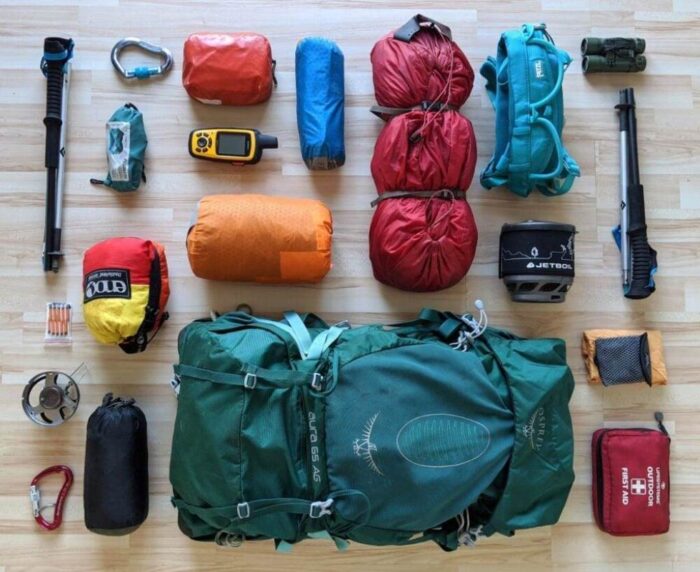
Types of Hiking Backpacks
Understanding different backpack types helps you match your gear to your hiking style. Each type serves a specific purpose and trip duration.
Daypacks
Daypacks are ideal for short hikes lasting a few hours. They usually hold essentials like water, snacks, and a light jacket. Since they are compact, they allow greater mobility and speed.
Overnight Backpacks
These packs support trips lasting one to three days. They provide enough space for clothing, food, and basic camping gear. Additionally, they often include features like hydration sleeves and multiple compartments.
Multi Day Backpacks
For longer adventures, multi day backpacks offer larger capacity and advanced support systems. They distribute weight efficiently, which becomes essential for extended hikes.
Ultralight Backpacks
Ultralight packs focus on reducing weight. They suit experienced hikers who prioritize speed and minimal gear. However, they often sacrifice padding and structure.
How to Choose the Right Backpack Size
Backpack size depends on trip duration and gear requirements. Choosing the wrong size leads to either overpacking or insufficient storage.
Capacity Guidelines
- 10 to 25 liters: Short day hikes
- 30 to 50 liters: Overnight trips
- 50 to 70 liters: Multi day hikes
- 70+ liters: Extended expeditions
While larger packs hold more gear, they also encourage unnecessary packing. Therefore, always choose the smallest size that fits your needs.
Fit Matters More Than Volume
Even a perfectly sized pack will feel uncomfortable if it does not fit your body. Torso length matters more than height. Many hikers overlook this, which leads to poor weight distribution.
Key Features for Comfort and Performance
Suspension System
The suspension system includes the frame, shoulder straps, and hip belt. It determines how weight transfers across your body. A strong suspension system shifts most of the load to your hips, reducing shoulder strain.
Padding and Ventilation
Breathable back panels improve airflow and reduce sweat buildup. Additionally, padded straps prevent pressure points during long hikes.
Adjustability
Look for adjustable torso lengths and straps. This feature allows you to customize the fit according to your body shape. Consequently, you achieve better comfort and stability.
Weight Distribution
Proper weight distribution keeps your center of gravity stable. Heavier items should sit close to your back and near your hips. This positioning improves balance and reduces strain.
Materials and Durability
Backpacks face harsh outdoor conditions, so material quality matters. Durable fabrics like ripstop nylon resist tears and abrasions. Additionally, water resistant coatings protect your gear from rain and moisture.
Reinforced stitching also enhances longevity. Weak seams often fail under heavy loads. Therefore, always inspect construction quality before choosing a backpack.
Storage and Organization
Efficient organization improves accessibility and saves time on the trail. A well designed backpack includes multiple compartments and pockets.
Essential Storage Features
- Top lid pockets for quick access items
- Side pockets for water bottles
- Front stretch pockets for wet gear
- Internal compartments for organization
Moreover, external attachment points allow you to carry trekking poles or sleeping pads. This flexibility enhances overall usability.
Comfort Tips for Long Hikes
Even the best backpack requires proper use to deliver comfort. Small adjustments can significantly improve your experience.
Pack Smart
Place heavier items close to your back. Keep lighter items at the top and outer sections. This arrangement stabilizes the load.
Adjust Straps Properly
Tighten the hip belt first, then adjust shoulder straps. Finally, fine tune load lifters to balance the pack.
Take Breaks
Regular breaks reduce muscle fatigue. During breaks, loosen straps to improve circulation.
Common Mistakes to Avoid
Many hikers make simple mistakes that lead to discomfort. Avoiding these errors improves your hiking experience.
- Choosing style over function
- Ignoring proper fit and sizing
- Overpacking unnecessary items
- Skipping test fitting before purchase
- Neglecting weight distribution
How to Test a Backpack Before Buying
Testing a backpack ensures it meets your comfort needs. Always try the pack with weight inside. Walk around and simulate hiking movements. Check for pressure points and uneven weight distribution. If the pack feels uncomfortable in the store, it will feel worse on the trail. Therefore, never skip this step.
Choosing the Right Backpack for Different Terrains
Terrain affects your backpack requirements. For example, mountain hikes demand stable and compact packs. In contrast, forest trails allow slightly larger packs due to easier movement. Desert hiking requires hydration focused designs with extra water storage. Meanwhile, winter hiking demands space for bulky clothing and gear. Matching your backpack to terrain improves efficiency and safety.
Conclusion
Choosing the best backpack for hiking comfort and performance requires careful consideration. Focus on fit, size, and essential features rather than appearance. Additionally, prioritize weight distribution and durability to enhance your hiking experience. A well chosen backpack supports your body, improves endurance, and keeps your gear organized. Take time to test options and understand your needs. Start your next adventure with the right pack and enjoy every step of the journey.
FAQs
How do I know if a backpack fits correctly?
A proper fit places most of the weight on your hips. Shoulder straps should feel snug but not tight. The pack should stay stable while you move.
What size backpack is best for beginners?
Beginners should start with a 30 to 50 liter backpack. This size offers enough space without encouraging overpacking.
Are lightweight backpacks better for hiking?
Lightweight backpacks reduce strain and improve speed. However, they may offer less support. Choose based on your experience level.
How much weight should I carry in a hiking backpack?
Experts recommend carrying no more than 20 percent of your body weight. This limit helps prevent fatigue and injury.
What is the most important feature in a hiking backpack?
Fit is the most important factor. Even the best features will not matter if the backpack does not fit properly.