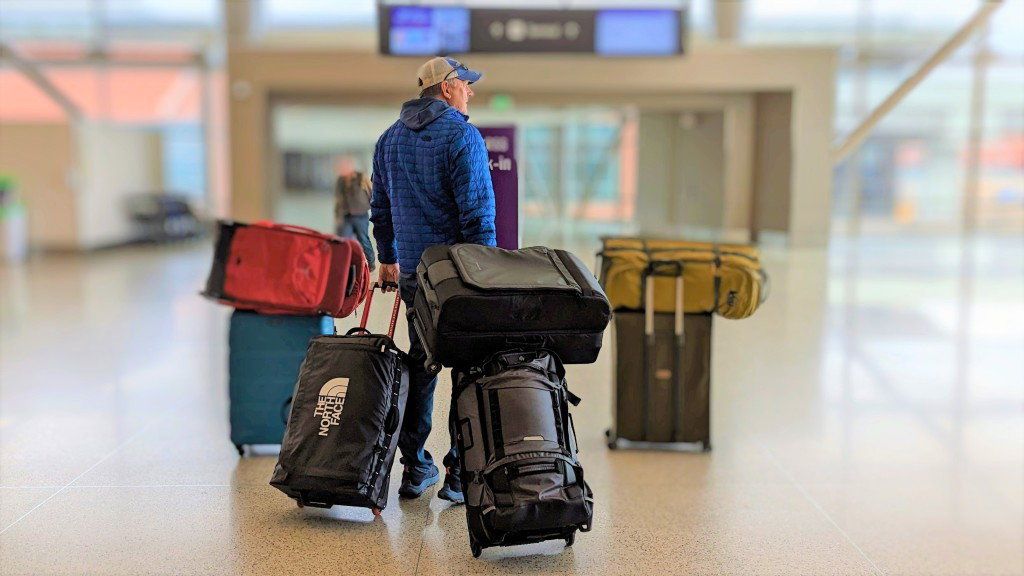
Traveling should be exciting, not stressful. Yet, nothing ruins a trip faster than struggling with the wrong luggage. The right carry-on bag can make all the difference, helping you move smoothly through airports, keep your belongings organized, and avoid checked baggage fees.
I learned this lesson the hard way. On my first international trip, I packed everything into a bulky checked suitcase. Not only did I waste time waiting at baggage claim, but my bag arrived damaged. Since then, I’ve traveled with nothing but carry-on bags, and my trips have been much smoother.
In this guide, I’ll share everything you need to know to choose the best carry-on bags for your travel style. Whether you’re a frequent flyer or an occasional vacationer, this article will help you find a bag that makes travel easier and more enjoyable.
Why the Right Carry-On Bag Matters
The global luggage market is booming, with carry-on bags becoming more popular than ever. In 2024, the carry-on luggage market was valued at over $5.8 billion, and it’s expected to keep growing as more travelers seek convenience and efficiency. A well-chosen carry-on bag helps you avoid checked baggage fees, keeps your essentials within reach, and makes navigating airports a breeze.
The best carry-on bags are designed to fit airline size restrictions, so you won’t have to worry about gate-checking your luggage. They also offer features like durable materials, smooth-rolling wheels, and smart organization, which can save you time and hassle during your trip.
Key Features to Look for in a Carry-On Bag
1. Size and Airline Compliance
The first thing to consider is whether your carry-on bag meets airline size restrictions. Most airlines allow carry-on bags up to 22 x 14 x 9 inches, but some budget airlines have stricter limits. Always check your airline’s guidelines before you buy. A bag that fits in the overhead bin of one airline might not fit on another, so it’s important to choose a versatile size.
- Standard carry-on size: 22 x 14 x 9 inches
- Budget airline size: Often smaller, around 18 x 14 x 8 inches
- Expandable options: Some bags offer extra space when needed, but be cautious—expanding your bag might push it over the size limit.
2. Durability and Material
Your carry-on bag needs to withstand the rigors of travel. Look for bags made from high-quality materials like polycarbonate (for hard-shell bags) or ballistic nylon (for soft-shell bags). These materials are lightweight, durable, and resistant to scratches and dents. Hard-shell bags offer better protection for fragile items, while soft-shell bags are more flexible and often have external pockets for easy access.
3. Wheels and Maneuverability
Wheels can make or break your travel experience. Spinner wheels (360-degree rotation) are ideal for navigating crowded airports, as they allow you to roll your bag in any direction with minimal effort. Inline skate wheels are more durable and better for rough surfaces, but they only roll forward and backward. If you frequently travel on uneven terrain, consider a bag with larger, more rugged wheels.
4. Organization and Compartments
A well-organized carry-on bag keeps your belongings secure and easy to find. Look for features like:
- Main compartments: Large enough to hold clothes, shoes, and toiletries.
- Exterior pockets: For quick access to your phone, passport, or water bottle.
- Compression straps: To keep your clothes neat and maximize space.
- Laptop sleeves: If you travel for work, a padded laptop compartment is a must.
5. Comfort and Portability
Comfort is key, especially if you’re carrying your bag for long periods. Look for padded handles and adjustable shoulder straps if you prefer a backpack-style carry-on. Some bags even come with trolley sleeves, so you can attach them to rolling luggage for easier transport.
6. Weight
A lightweight carry-on bag helps you stay within airline weight limits and makes it easier to lift into overhead bins. Most carry-on bags weigh between 5 and 10 pounds, but some ultra-lightweight options can weigh as little as 3 pounds. Keep in mind that a heavier bag might offer more durability and features, so balance weight with functionality.
Types of Carry-On Bags
1. Hard-Shell Carry-On Suitcases
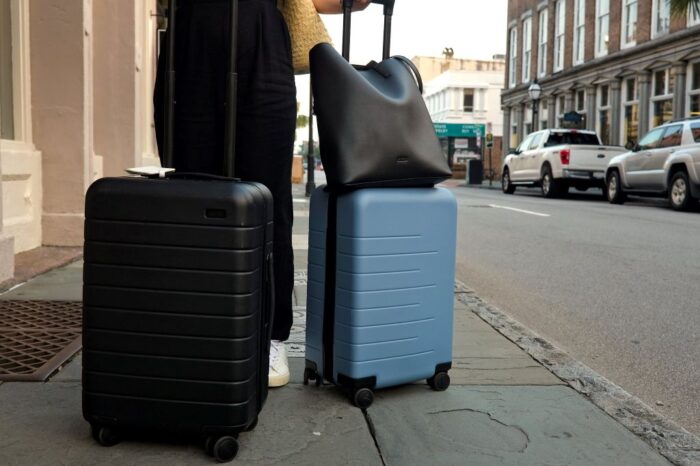
Hard-shell suitcases are popular for their durability and sleek design. They’re made from materials like polycarbonate or ABS plastic, which protect your belongings from impacts and rough handling. These bags are ideal for travelers who want to keep their items safe and secure. However, they can be less flexible when it comes to fitting into tight spaces.
2. Soft-Shell Carry-On Suitcases
Soft-shell suitcases are made from fabric like nylon or polyester, making them lighter and more flexible than hard-shell options. They often have external pockets for easy access to essentials and can squeeze into tight spaces more easily. However, they offer less protection for fragile items.
3. Carry-On Backpacks
Carry-on backpacks are perfect for travelers who want to keep their hands free. They’re ideal for navigating crowded airports, hiking, or exploring cities. Look for backpacks with padded straps, a waist belt for extra support, and multiple compartments for organization. Some backpacks even have a clamshell design, allowing you to pack and unpack like a suitcase.
4. Carry-On Duffel Bags
Duffel bags are versatile and spacious, making them a great choice for travelers who need to pack bulky items like shoes or sports gear. Many duffel bags come with wheels or backpack straps, so you can carry them however you prefer. They’re also often more affordable than suitcases.
5. Underseat Carry-On Bags
Underseat bags are designed to fit under the airplane seat in front of you. They’re perfect for short trips or as a personal item in addition to your carry-on suitcase. These bags are usually lightweight and compact, with enough space for essentials like a laptop, a book, and snacks.
How to Choose the Best Carry-On Bag for Your Travel Style
Step 1: Determine Your Travel Needs
Start by thinking about how you travel. Do you take short weekend trips or long international vacations? Do you prefer to pack light, or do you like to bring everything you might need? Your travel style will determine the size and type of carry-on bag that’s best for you.
Step 2: Check Airline Size Restrictions
Always check the carry-on size restrictions for the airlines you fly most often. If you travel internationally, pay special attention to European and budget airlines, which often have stricter size limits. Choosing a bag that fits most airlines will save you from unexpected fees or hassles at the gate.
Step 3: Consider Your Packing Style
How you pack will influence the type of bag you need. If you like to stay organized, look for a bag with multiple compartments and compression straps. If you prefer to pack everything in one large space, a simple duffel or suitcase might be best. For business travelers, a bag with a laptop sleeve and easy access to documents is essential.
Step 4: Think About Comfort and Convenience
Comfort is crucial, especially if you’re carrying your bag for long periods. Look for padded handles, adjustable straps, and lightweight materials. If you frequently travel through busy airports, spinner wheels can make maneuvering your bag much easier.
Step 5: Set a Budget
Carry-on bags come in a wide range of prices, from budget-friendly options under $50 to premium bags that cost $500 or more. While it’s tempting to go for the cheapest option, investing in a high-quality bag can save you money in the long run. Look for bags with good warranties, as this can protect your investment.
Personal Experience: Finding the Perfect Carry-On Bag
A few years ago, I was preparing for a two-week trip to Europe. I wanted to travel light, so I decided to use a carry-on backpack instead of my usual checked suitcase. I chose a bag with a clamshell design, multiple compartments, and a padded laptop sleeve.
The difference was incredible. I could easily navigate crowded train stations and cobblestone streets without struggling with a rolling suitcase. My bag fit in every overhead bin I encountered, and I never had to wait at baggage claim. Plus, the organization features kept my clothes and essentials neat and easy to find.
Since then, I’ve used the same backpack for every trip, from weekend getaways to month-long adventures. It’s made traveling so much easier, and I’ll never go back to checked luggage.
FAQs
What is the standard size for a carry-on bag?
The standard size for a carry-on bag is 22 x 14 x 9 inches, but some budget airlines have stricter limits. Always check your airline’s guidelines before you buy.
Are hard-shell or soft-shell carry-on bags better?
It depends on your needs. Hard-shell bags offer better protection for fragile items, while soft-shell bags are more flexible and often have external pockets for easy access.
Can I use a backpack as a carry-on bag?
Yes! Many backpacks are designed to meet carry-on size restrictions. Look for a backpack with a clamshell design and multiple compartments for easy packing.
How much should I spend on a carry-on bag?
You can find good carry-on bags for under $150, but premium options with advanced features can cost up to $500. Investing in a high-quality bag can save you money in the long run.
What features should I look for in a carry-on bag?
Look for durability, smooth-rolling wheels, multiple compartments, and a comfortable handle or straps. A lightweight design and a good warranty are also important.
Conclusion
Choosing the best carry-on bags for your travel needs can transform your trips from stressful to seamless. The right bag keeps your belongings organized, fits airline size restrictions, and makes navigating airports a breeze. Whether you prefer a hard-shell suitcase, a soft-shell duffel, or a versatile backpack, there’s a carry-on bag out there that’s perfect for you.
Take the time to assess your travel style, check airline restrictions, and invest in a bag that meets your needs. With the right carry-on by your side, you’ll be ready to explore the world with confidence and ease.
What’s your favorite carry-on bag feature? Share your thoughts in the comments below!