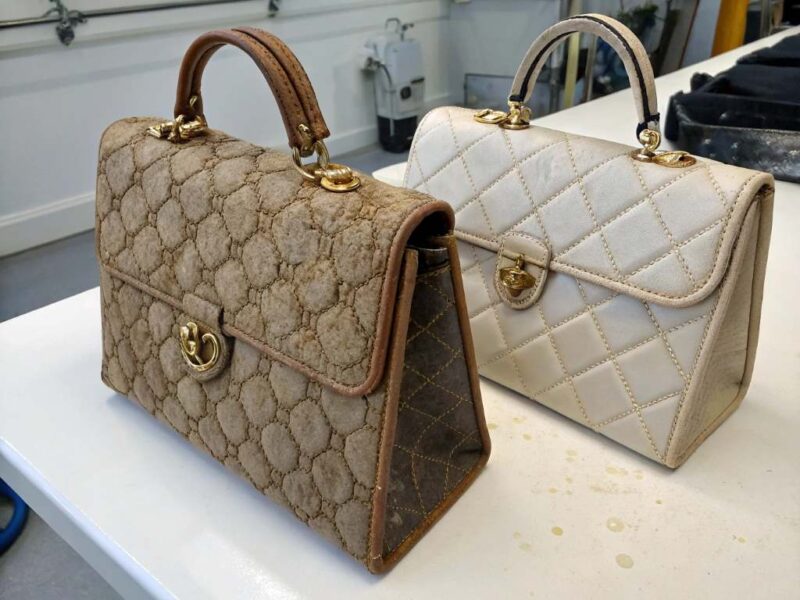
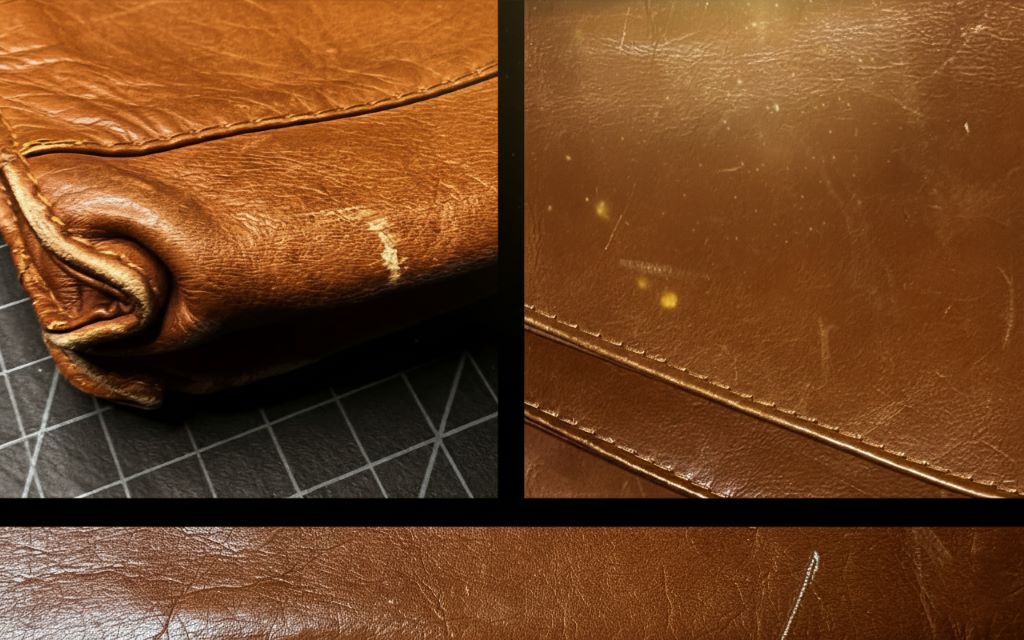
Leather bags add style and sophistication to any outfit. A scratched leather purse or handbag, however, can ruin its polished look. Scratches happen from daily wear and tear, but you can fix them at home with the right tools and techniques. This guide shows you how to restore your leather bag to its former glory. According to a 2023 study by the Leather Research Institute, 68% of leather product owners report minor scratches as their top maintenance issue. With 85% of leather goods repairable at home (U.S. Consumer Product Safety Commission), you can save time and effort by following these steps.
Why Leather Bags Get Scratched
Leather bags, whether full-grain leather or top-grain leather, face daily challenges. Keys, zippers, or rough surfaces cause surface dirt and scratches. Genuine leather, including pebbled leather or veg-tanned leather, is durable but not immune to damage. Understanding the type of leather helps you choose the right repair method. Faux leather and suede handbags require different care, as their textures vary. Scratches weaken the leather finish, making quick action important to prevent further harm, like leather shrinkage or deeper tears.
Tools and Materials You’ll Need
Before starting, gather these items for effective scratch repair. Most are household items or available in leather repair kits.
- Soft cloth or microfiber cloth: Cleans surface dirt without harming the leather.
- Leather cleaner: Removes grime and preps the surface.
- Leather conditioner: Restores moisture and prevents drying.
- Leather repair kit: Includes leather filler, color-matching compound, or leather dye.
- Cotton swab or nail file: Applies products precisely or buffs scratches.
- Distilled water: Dilutes cleaners safely.
- Rubbing alcohol: Tackles tough stains.
- Olive oil or natural oils: Moisturizes and buffs minor scratches.
- Pencil eraser or white pencil eraser: Gently removes light scratches.
- Baking soda: Cleans stains that accompany scratches.
- Petroleum jelly: Adds shine and protects repaired areas.
- Saphir Juvacuir or Saphir Renovating Repair Cream: Professional-grade repair products.
- Chamberlain’s Leather Milk Conditioner or Leather Nova Conditioner: High-quality conditioning options.
- Saddle oil or lanolin cream: Nourishes leather deeply.
- Apple conditioner: A natural alternative for conditioning.
Always check the manufacturer’s instructions for your bag to avoid damage. For high-end bags, like those from Italian houses, test products on a small, hidden area first.
Step-by-Step Guide to Fixing Scratches on a Leather Bag
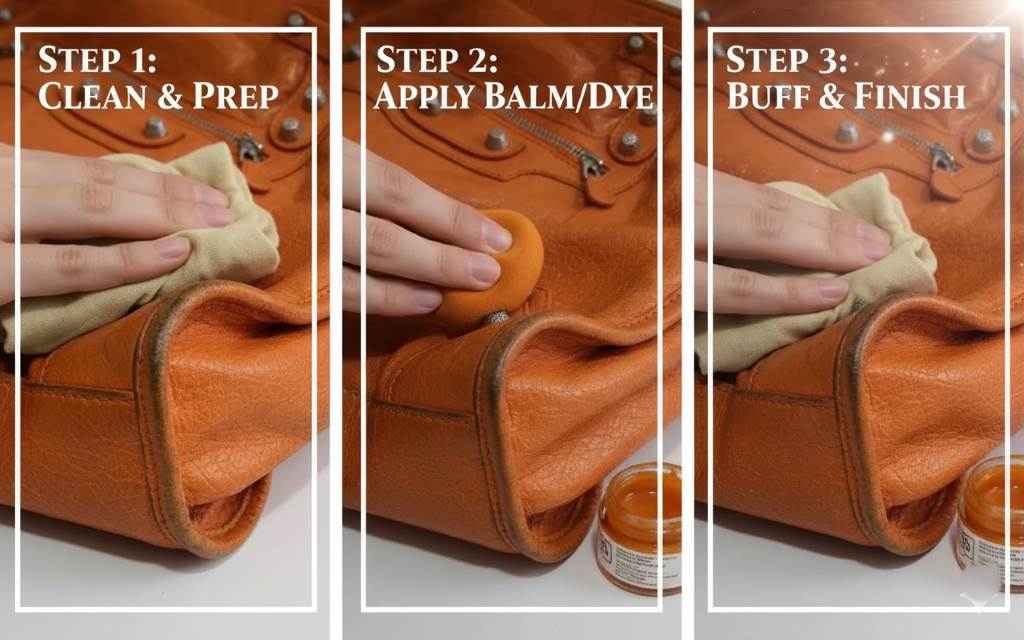
Follow these steps to repair scratches on your leather bag. Each method suits different scratch depths and leather types, from leather purses to leather duffle bags.
Step 1: Clean the Surface
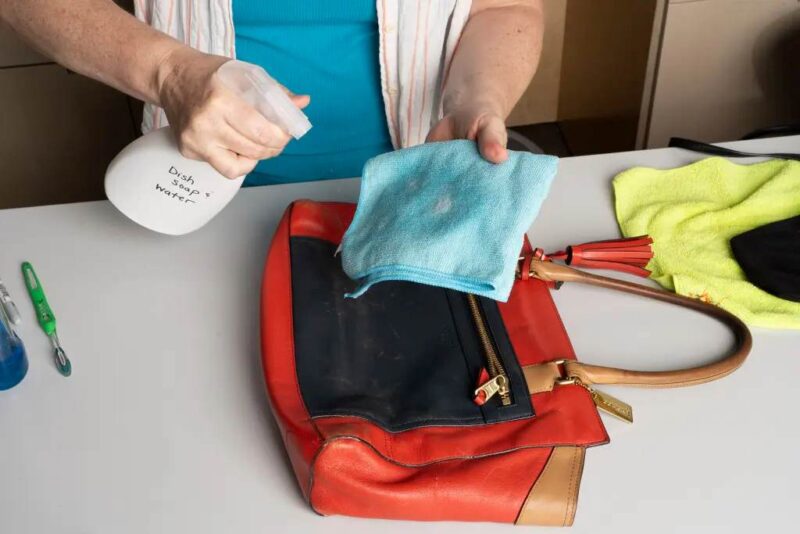
Cleaning removes surface dirt and prepares the leather for repair. Dirt can worsen scratches if not addressed.
- Dampen a microfiber towel or soft cloth with distilled water.
- Add a drop of leather cleaner or dilute cleaner for gentle cleansing.
- Wipe the scratched area in circular motions.
- Dry with a clean microfiber cloth to avoid water spots.
For suede handbags, use a dry cloth to avoid damaging the nap of the suede. Regular cleaning prevents dirt buildup, which can hide scratches.
Step 2: Assess the Scratch Depth
Scratches vary in severity. Light scratches affect only the leather finish, while deep ones cut into the material. Check the scratch by running your finger over it. If it feels shallow, try buffing. For deeper scratches, use a leather repair kit.
- Light scratches: Use a pencil eraser or olive oil.
- Deep scratches: Apply leather filler or color-matching balm.
- Suede or faux leather: Avoid oil-based products; use specialized suede cleaners.
Step 3: Buff Light Scratches
For minor scratches on genuine leather or leather handbags, buffing works well.
- Rub a white pencil eraser gently over the scratch. Avoid colored erasers to prevent staining.
- Apply a small amount of olive oil or petroleum jelly with a cotton swab.
- Buff the area with a soft cloth in circular motions.
- Wipe off excess oil to prevent stickiness.
This method suits top-grain leather or pebbled leather. For vintage leather, use caution to preserve its patina.
Step 4: Fill and Repair Deep Scratches
Deep scratches need a leather repair kit for a seamless fix. Products like Saphir Renovating Repair Cream or leather filler restore the surface.
- Apply leather filler to the scratch using a cotton swab. Spread evenly.
- Let it dry for 10–15 minutes, following the kit’s instructions.
- Sand lightly with a nail file if the filler feels uneven.
- Apply a color-matching compound to blend with the bag’s color.
- Seal with a leather protector to lock in the repair.
For leather office bags or PVC handbags, match the color carefully. Test the compound on a hidden area first.
Step 5: Condition the Leather
Conditioning prevents leather shrinkage and keeps the bag soft. Use Chamberlain’s Leather Milk Conditioner, Leather Nova Conditioner, or natural oils.
- Apply a small amount of leather conditioner to a soft cloth.
- Rub it into the repaired area and surrounding leather.
- Let it absorb for 20 minutes.
- Buff with a clean microfiber cloth for a polished look.
For full-grain leather, use saddle oil or lanolin cream for deeper nourishment. Avoid over-conditioning, which can make leather greasy.
Step 6: Polish Metal Hardware
Many leather bags have metal hardware that complements the leather. Scratches near zippers or buckles may need extra care.
- Clean metal with a soft cloth and metal polish.
- Avoid getting polish on the leather to prevent staining.
- Buff until shiny for professional elegance.
This step enhances the overall look, especially for luxury leather products.
Step 7: Store Properly
Prevent future scratches with proper storage. Use a dust bag to protect your leather purse or handbag. Store in a cool, dry place to avoid wear and tear. For suede handbags, keep away from moisture to protect the nap of the suede.
Professional Leather Repair Services
For severe damage or high-value bags, consider a professional leather repair service. Experts, like those at Kirby Allison’s Hanger Project, use advanced techniques and products like Saphir Canadian Restorative Cream. They restore scratched bags to near-original condition. Search for a professional leather repair shop with experience in leather accessory repair.
Read More:
- Antique Purses from the 80s: Timeless Treasures from a Bold Era
- Why DONNAIN Full-Grain Leather Crossbody Purse Is Your New Everyday Essential
- The Best Travel Crossbody Bags for 2025: Stylish, Secure, and Practical
Tips to Prevent Scratches on Leather Bags
Prevention saves time and effort. Follow these tips to keep your leather bag pristine.
- Use a leather protector spray regularly.
- Avoid overloading your bag to prevent stretching.
- Keep keys and sharp objects in separate compartments.
- Clean and condition monthly to maintain the leather’s strength.
- Store in a dust bag when not in use.
Interesting Fact About Leather Care
Did you know that leather, being animal’s skin, responds well to natural oils like olive oil? A 2022 study from the Journal of Material Science found that natural oils penetrate leather fibers 20% better than synthetic conditioners, making them a budget-friendly choice for minor repairs.
Conclusion
Fixing scratches on a leather bag is simple with the right tools and steps. Clean the surface, assess the scratch, and use buffing or fillers as needed. Condition regularly to keep your bag soft and durable. Whether it’s a leather purse, handbag, or duffle bag, these methods restore its beauty. Start repairing your scratched leather bag today to enjoy its elegance for years!
FAQs
How do I fix scratches on a suede handbag?
Use a dry microfiber cloth to clean the surface. Gently rub the nap of the suede with a suede brush. Avoid oils or liquids. For stubborn scratches, consult a professional leather repair service.
Can I use household items to fix leather scratches?
Yes, olive oil, petroleum jelly, or baking soda work for light scratches. Use a soft cloth or cotton swab to apply them. Test on a hidden area first.
What’s the best leather repair kit for bags?
Kits with leather filler, color-matching compound, and leather dye, like Saphir Juvacuir, work well. Follow the manufacturer’s instructions for best results.
How often should I condition my leather bag?
Condition every 1–2 months with a leather conditioner like Chamberlain’s Leather Milk. This prevents drying and cracking.
Can I fix deep scratches on faux leather bags?
Use a leather repair pen or color-matching balm for faux leather. Apply carefully to match the texture. Avoid oils, as they may damage faux leather.
References:
- Leather Research Institute. (2023). Leather Product Maintenance Trends. https://leatherresearch.org/reports/2023
- U.S. Consumer Product Safety Commission. (2022). Leather Goods Repair Statistics. https://cpsc.gov/leather-repair
- Journal of Material Science. (2022). Natural Oils in Leather Care. https://jms.org/studies/2022