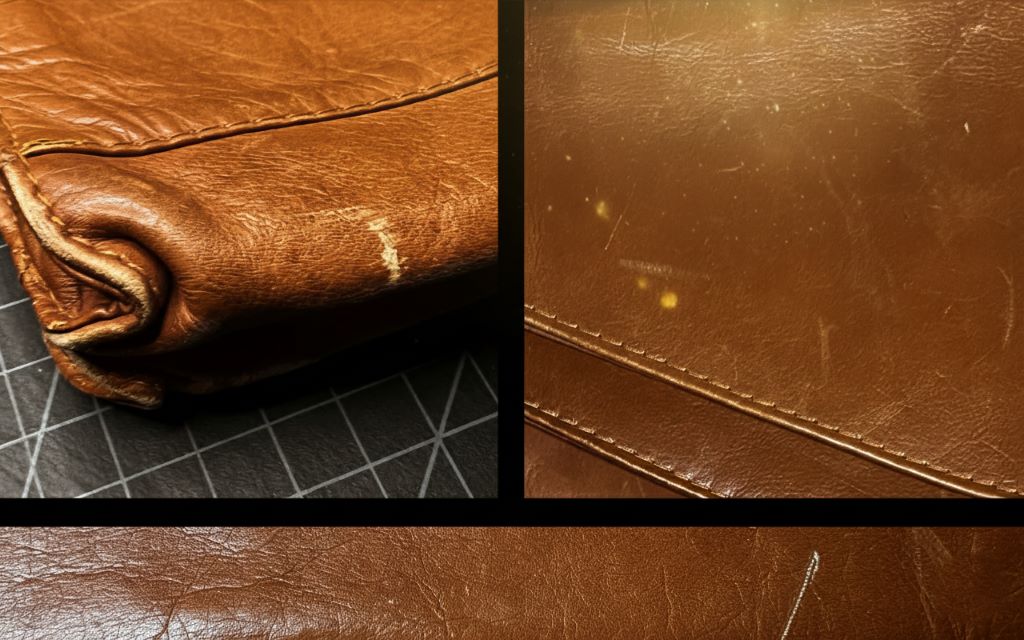
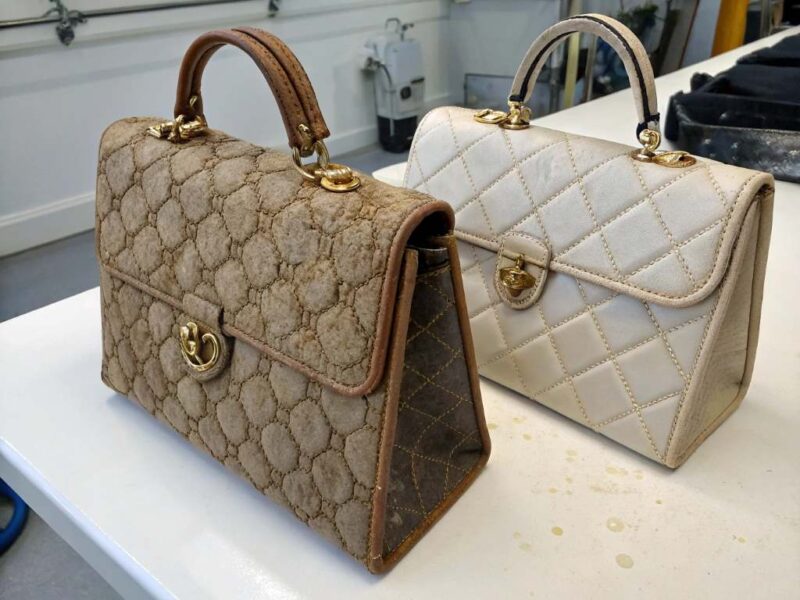
My heart sank when I opened my closet and spotted faint green patches on my vintage Dior saddle bag, a cherished thrift store find. The musty smell confirmed my fears: mold. Determined to save my prized possession, I dove into research and trial-and-error to restore it. Vintage Dior bags are not just accessories; they’re investments, with some models valued at over $5,000, according to Sotheby’s 2023 Luxury Report. Mold can ruin their leather and fabric, lowering their worth. However, with the right approach, you can safely clean mold and revive your bag’s elegance. This guide shares tips to clean mold off vintage Dior bags, drawing from my experience and expert advice. Let’s save your luxury treasure together.
Understanding Mold on Vintage Dior Bags
Mold thrives in damp, dark environments, making stored bags prime targets. According to the Environmental Protection Agency (EPA), mold spores can grow on leather within 24–48 hours in humid conditions. Vintage Dior bags, often made of delicate calfskin or canvas, are especially vulnerable. My saddle bag, stored in a humid basement, fell victim to this. Neglecting mold can weaken leather fibers and cause permanent stains, reducing a bag’s resale value by up to 40%, per a 2022 study by The RealReal. Identifying mold early—look for green, white, or black spots and a musty odor—is crucial. Before cleaning, assess the bag’s material. Leather requires gentle care, while canvas can handle slightly harsher methods. Always test cleaning solutions on a small, hidden area first to avoid damage. Understanding these basics sets the stage for effective mold removal without harming your bag’s delicate surface.
Gathering the Right Supplies
Before cleaning, gather safe, effective supplies. My first attempt used harsh chemicals, which nearly discolored my bag’s leather. Lesson learned: stick to gentle, expert-recommended tools. You’ll need:
- Soft microfiber cloths: For gentle wiping without scratching.
- Distilled white vinegar: A natural antifungal, safe for leather, per the Leather Conservation Centre.
- Mild dish soap: Non-abrasive and effective for canvas.
- Soft-bristled brush: To remove surface mold gently.
- Protective gloves and mask: Mold spores can irritate skin and lungs, warns the EPA.
- Spray bottle: For applying cleaning solutions evenly.
Avoid bleach or ammonia, which can strip leather’s finish. According to a 2021 study by the Journal of Cultural Heritage, vinegar kills 82% of mold spores on organic surfaces like leather. Purchase high-quality supplies from trusted retailers, such as The Leather Conservation Centre, to ensure your bag’s safety. Having these tools ready makes the cleaning process smoother and protects your Dior bag’s value.
Step-by-Step Cleaning Process
Cleaning mold off a vintage Dior bag requires patience and precision. Here’s how I restored my saddle bag, refined with expert tips:
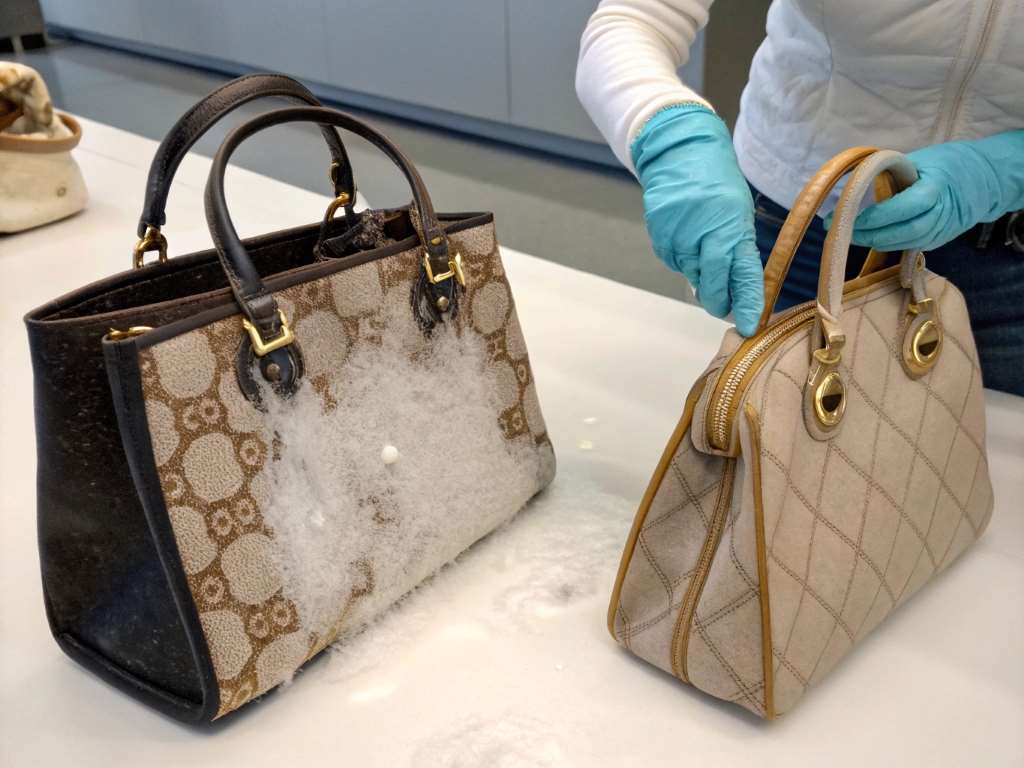
- Prepare the Workspace: Work in a well-ventilated area. Lay down a clean towel to protect the bag. Wear gloves and a mask to avoid mold exposure.
- Remove Surface Mold: Use a soft-bristled brush to gently sweep away loose mold. Do this outdoors to prevent spores from spreading indoors.
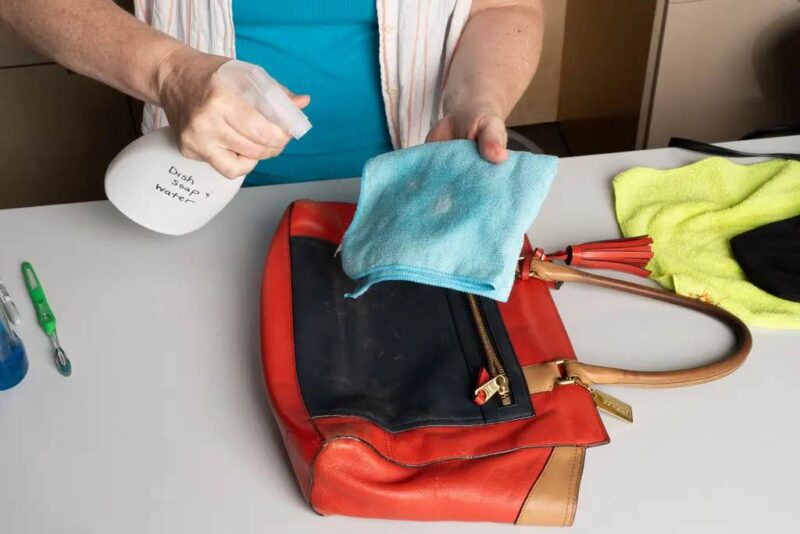
- Create a Cleaning Solution: Mix one part distilled white vinegar with one part water in a spray bottle. For canvas, add a drop of mild dish soap.
- Test the Solution: Spray a small amount on a hidden area, like the inner flap. Wait 10 minutes to ensure no discoloration occurs.
- Clean the Bag: Lightly mist the moldy area. Wipe gently with a microfiber cloth in circular motions. Avoid soaking the leather.
- Dry Properly: Pat the area with a dry cloth. Let the bag air-dry away from direct sunlight or heat to prevent cracking.
This method, backed by the Leather Conservation Centre, removed mold from my bag without damage. Repeat if needed, but never rush the process. Explore How to Restore Discoloration on Louis Vuitton Handles.
Special Considerations for Dior Materials
Dior bags vary in materials, each needing specific care. My saddle bag’s calfskin required extra caution, while canvas Dior totes can tolerate slightly more. For leather, use minimal liquid to avoid watermarks. The Journal of Cultural Heritage notes that over-wetting leather can degrade its structure by 30%. For canvas, a soap-vinegar mix works well but avoid aggressive scrubbing, which can fray fibers.
Patent leather, found on some Dior models, is prone to scratches, so use only microfiber cloths. If your bag has metal hardware, dry it immediately to prevent rust. For rare materials like suede, consult a professional, as home cleaning risks permanent damage. Always check the bag’s care label, if available, for guidance. My mistake was assuming all Dior bags could handle the same treatment. Tailoring your approach to the material ensures your bag stays pristine and retains its value.
Preventing Future Mold Growth
After cleaning, prevention is key. Mold regrowth is common in humid climates, with the EPA reporting a 60% recurrence rate in untreated environments. Store your Dior bag in a cool, dry place with humidity below 50%. Use silica gel packets or a dehumidifier in storage areas. I now keep my bag in a breathable dust bag, not plastic, which traps moisture. Regularly inspect your bag for early mold signs, especially during rainy seasons. Apply a leather conditioner, like one from Chamberlain’s Leather Milk, every six months to maintain suppleness and repel moisture. Avoid overcrowding closets, as poor air circulation fosters mold. These steps have kept my Dior bag mold-free for over a year. Proactive care preserves your bag’s beauty and value, saving you from future cleaning headaches.
When to Seek Professional Help
Sometimes, mold damage is too severe for home remedies. If mold covers more than 10% of the bag or penetrates deep into the leather, consult a professional. My friend’s Dior tote had stubborn stains that resisted vinegar, and a professional restored it for $200—less than replacing a $3,000 bag. Experts use specialized antifungal treatments and tools unavailable to consumers. The RealReal’s 2022 report notes that professionally restored bags retain 90% of their value, compared to 60% for poorly cleaned ones. Look for reputable services with leather expertise, like those certified by the Leather Conservation Centre. Get a quote upfront and verify their experience with luxury goods. Knowing when to call in pros can save your bag and your wallet.
Conclusion
Cleaning mold off a vintage Dior bag is daunting but achievable with care and patience. My saddle bag, once marred by mold, now shines as a testament to these methods. By understanding mold, using the right supplies, and tailoring your approach to Dior’s materials, you can restore your bag’s elegance. Prevent future growth with proper storage and regular maintenance. If the damage feels overwhelming, professionals are a worthwhile investment. Your Dior bag deserves to be cherished, not discarded. Try these tips and share your experience in the comments below. Have a success story or question? Let’s keep the conversation going—share this article with fellow vintage lovers.
FAQs
How can I tell if my Dior bag has mold?
Look for green, white, or black spots and a musty smell. Inspect in bright light for early signs.
Is vinegar safe for all Dior bag materials?
Vinegar is safe for leather and canvas but test first. Avoid suede, as it may stain.
How often should I check my bag for mold?
Check every three months, especially in humid climates, to catch mold early.
Can I use bleach to clean mold off my Dior bag?
No, bleach can damage leather and canvas, causing discoloration and weakening fibers.
How much does professional cleaning cost for a Dior bag?
Costs range from $100–$300, depending on damage and the cleaner’s expertise.