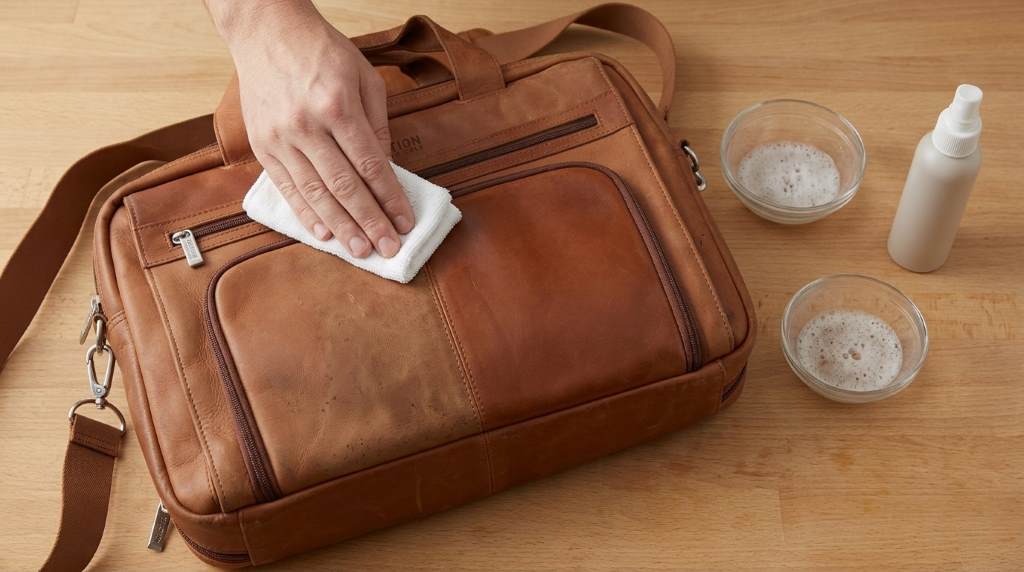
There’s a unique dread that washes over you when you discover a rogue pen mark marring the pristine surface of your favorite pen stains from leather bag . Whether it’s a quick scribble, an accidental uncapped pen, or a leak, ink stains on leather can seem like a permanent scar. But before you relegate your beloved accessory to the back of the closet, take a deep breath. Removing pen ink from leather is often possible, and with the right approach and a bit of patience, you can restore your bag to its former glory.
This comprehensive guide will walk you through everything you need to know about tackling ink stains on various types of leather. We’ll cover essential preparation, effective DIY methods, what to avoid, and crucial aftercare to ensure your leather remains supple and beautiful.
Understanding Your Leather: The First Crucial Step
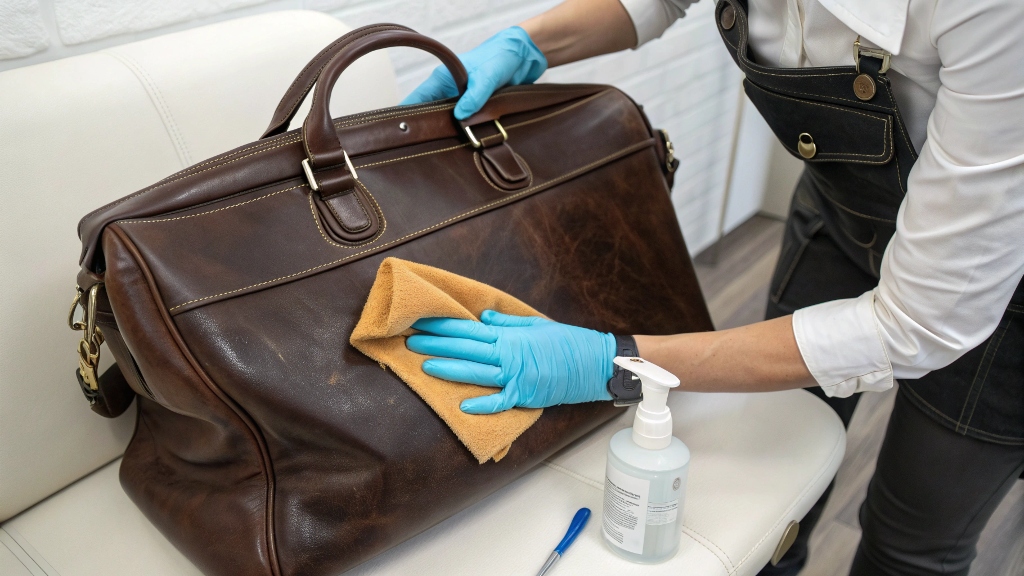
Before you reach for any cleaning solution, it’s absolutely vital to identify the type of pen stains from leather bag is made from. Applying the wrong product to the wrong leather can cause irreversible damage, making the stain worse or creating new problems.
The most common types of leather used for bags include:
- Finished Leather (Pigmented/Protected): This is the most common type of leather, often treated with a protective coating or pigment. It’s relatively durable and resistant to stains, making it the easiest to clean. You can usually identify it by its uniform color and slightly glossy or smooth finish. Water will typically bead up on its surface.
- Unfinished Leather (Aniline/Semi-Aniline): These leathers are known for their natural, soft feel and visible grain and imperfections. Aniline leather has no protective coating, making it highly absorbent and susceptible to stains. Semi-aniline has a very thin, transparent protective layer, offering a bit more resistance but still being quite absorbent. Water will quickly soak into these leathers, darkening the area. Suede and nubuck are also unfinished leathers, characterized by their fuzzy, napped surfaces. These are the most challenging to clean.
- Bonded Leather: Made from scraps of pen stains from leather bag bonded together with an adhesive and then coated. It’s less durable and can be easily damaged by strong cleaning solutions.
- Faux Leather (Vegan Leather/PU Leather): Not real leather, but synthetic materials. Cleaning methods for real leather often differ significantly from those for faux leather.
Always Test First!
Regardless of the leather type or the cleaning method you choose, always perform a patch test on an inconspicuous area of your bag (e.g., the bottom, inside flap, or a hidden seam) before applying any solution to the stain. Apply a tiny amount of the chosen cleaner and let it sit for a few minutes, then blot dry. Look for any discoloration, darkening, or damage to the leather. If there’s no adverse reaction, you can proceed with confidence.
Gather Your Arsenal: What You’ll Need
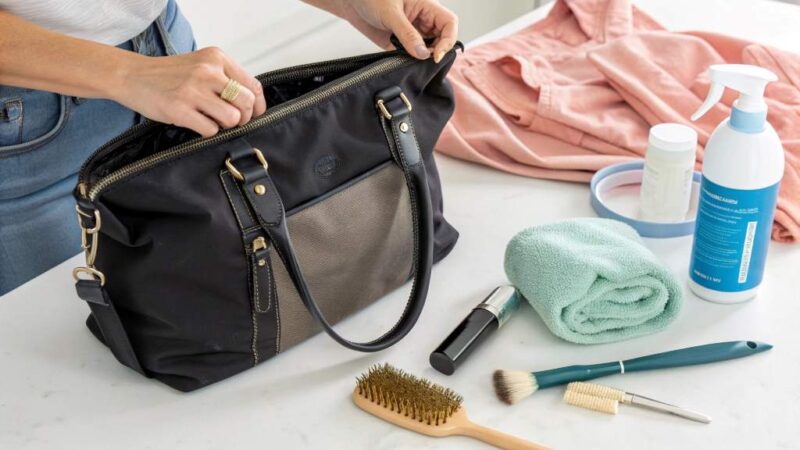
Having the right tools on hand will make the cleaning process smoother:
- Soft, Clean Cloths: Several white, lint-free cloths (microfiber is excellent). Avoid colored cloths as their dyes can transfer to the leather.
- Cotton Swabs/Q-tips: For precise application on small stains.
- Rubbing Alcohol (Isopropyl Alcohol): A common go-to for ink stains on finished leather.
- Non-Gel Hand Sanitizer: Contains alcohol and is often a gentler alternative to pure rubbing alcohol.
- Hair Spray: Some people have success with hairspray due to its alcohol content, but use with caution.
- White Eraser (Art Gum Eraser): For very fresh, light marks on finished leather.
- Leather Cleaner (pH-neutral): Specifically designed for leather.
- Leather Conditioner: Essential for rehydrating the leather after cleaning.
- Mild Dish Soap (Dawn): For a very diluted solution for certain leathers.
- Distilled Water: To dilute solutions and rinse.
- Fan or Hair Dryer (on cool setting): To air dry the area.
- Protective Gloves: To protect your hands from chemicals.
The Golden Rules of Ink Removal
- Act Fast: The fresher the ink stain, the easier it will be to remove. Dried, set-in ink is significantly more challenging.
- Blot, Don’t Rub: Rubbing an ink stain will spread it and push it deeper into the leather fibers. Always blot gently.
- Work from the Outside In: Start at the edges of the stain and work your way towards the center to prevent spreading.
- Use a Clean Part of the Cloth: As you blot, continuously move to a clean section of your cloth to avoid re-depositing ink.
- Less is More: Start with the mildest cleaning solution and gradually move to stronger options if needed. Apply sparingly.
- Patience is Key: Ink removal can take time and multiple applications. Don’t rush the process.
- Condition Afterwards: Cleaning solutions can strip natural oils from leather. Always recondition the treated area to prevent drying and cracking.
Step-by-Step Ink Removal Methods by Leather Type
Method 1: For Finished (Protected) Leather – Your Best Chances!
This is where you have the highest success rate.
- Preparation: Gently wipe the area with a dry, clean cloth to remove any loose dirt.
- Option A: Rubbing Alcohol/Hand Sanitizer (Most Effective):
- Saturate a cotton swab or the corner of a clean cloth with rubbing alcohol (70% isopropyl is generally safe) or non-gel hand sanitizer.
- Gently dab (don’t rub!) the ink stain, working from the outside edge towards the center.
- As ink transfers to the swab/cloth, switch to a clean part.
- Continue blotting until no more ink transfers.
- Immediately after the ink is gone, dampen a fresh cloth with distilled water and gently wipe the alcohol residue off the pen stains from leather bag. This is crucial to prevent the alcohol from drying out the leather.
- Pat dry with a clean, dry cloth.
- Option B: Hair Spray (Use with Caution):
- Lightly spray a small amount of hairspray onto a clean cloth (not directly onto the leather).
- Gently blot the ink stain with the hairspray-dampened cloth, working from the outside in.
- Once the ink is lifted, immediately wipe the area with a damp cloth (distilled water) to remove residue, then pat dry.
- Note: Hairspray can leave a sticky residue if not removed quickly, so use as a last resort if alcohol isn’t readily available.
- Option C: White Eraser (For very fresh, light marks):
- Gently rub a white art gum eraser (ensure it’s clean and doesn’t leave marks) over the very fresh, light ink mark.
- Brush away eraser debris. This works by lightly abrading the surface, so use very light pressure.
- Condition: Once the area is completely dry (allow a few hours), apply a good quality leather conditioner to rehydrate the leather. Follow the product’s instructions.
Method 2: For Unfinished (Aniline/Semi-Aniline) Leather – Proceed with Extreme Caution!
These leathers are highly absorbent, and liquids can easily cause water stains or darken the leather permanently. Professional help is often recommended for significant ink stains on these types.
- Preparation: Ensure the area is free of loose debris.
- Option A: Dedicated Leather Ink Remover (Best Bet):
- If you have aniline or semi-aniline leather, investing in a specialized leather ink remover kit is your safest bet. These kits are formulated to be gentle on these delicate leathers.
- Follow the product instructions precisely. They often involve a very fine abrasive pad or a specialized solvent applied with extreme care.
- Option B: Very Diluted Mild Soap (Last Resort, very small, fresh stain):
- Mix a tiny drop of mild, pH-neutral dish soap (like Dawn) with distilled water to create a very, very diluted solution (e.g., 1 part soap to 20 parts water). The solution should be barely sudsy.
- Dampen a cotton swab with this solution (it should be almost dry, not dripping).
- Gently dab the ink stain, blotting lightly.
- Immediately blot with a fresh cotton swab dampened only with distilled water to rinse.
- Pat dry immediately with a clean, dry cloth.
- Warning: This method carries a high risk of creating a water stain or darkening the leather. Use with extreme caution and only on very small, fresh marks.
- Drying: Allow the area to air dry naturally. Do not use heat. You can gently fan the area to encourage drying.
- Condition: Once completely dry, apply a leather conditioner suitable for aniline or semi-aniline leather.
Method 3: For Suede & Nubuck – Professional Intervention Often Required
Suede and nubuck are exceptionally challenging due to their napped surface. Aggressive cleaning can flatten the nap or cause permanent damage.
- Specialized Suede Eraser/Brush: For very fresh, light marks, a dedicated suede eraser (a rubber-like block) might lift some ink. Follow with a suede brush to restore the nap.
- Professional Cleaner: For anything more than a tiny, superficial mark, it is highly recommended to seek professional cleaning from a leather specialist. They have the expertise and specialized products to handle these delicate materials without causing damage.
What NOT to Do When Removing Ink from Leather
- Don’t Rub Aggressively: This will spread the ink and push it deeper into the leather fibers.
- Don’t Use Harsh Chemicals: Bleach, nail polish remover (acetone), Goo Gone, strong solvents, or all-purpose household cleaners can permanently damage or strip the color from your leather.
- Don’t Over-Wet the Leather: Excessive moisture can lead to water stains, mildew, or permanent distortion of the leather.
- Don’t Use Heat to Dry: Direct heat (like a hot hair dryer) can dry out, crack, and shrink leather. Always air dry or use cool air.
- Don’t Ignore the Patch Test: Skipping this crucial step is a recipe for disaster.
- Don’t Use Colored Cloths: The dye from the cloth can transfer to your leather, creating another stain.
Aftercare: Protecting Your Investment
Once the ink stain is gone, proper aftercare is essential to maintain your leather bag’s beauty and longevity:
- Condition Regularly: Leather needs moisture to remain supple and prevent cracking. Condition your bag every 3-6 months, or more frequently if it’s exposed to dry climates or heavy use. Use a conditioner specifically formulated for your type of leather.
- Protect from Sun and Heat: Prolonged exposure to direct sunlight or heat can dry out and fade leather.
- Store Properly: When not in use, store your leather bag in a dust bag in a cool, dry place. Avoid storing it in plastic, which can trap moisture and cause mildew.
- Apply a Protector (Optional but Recommended): For finished leathers, a leather protector spray can create an invisible barrier that repels spills and makes future cleaning easier.
When to Call a Professional
While many ink stains can be tackled at home, there are times when calling a professional leather cleaner is the wisest course of action:
- If you have expensive, delicate, or vintage leather.
- If the stain is large, old, or deeply set.
- If you have unfinished leather (aniline, semi-aniline, suede, nubuck) and are unsure about DIY methods.
- If your attempts at removal have made the stain worse.
- If you are simply uncomfortable attempting the removal yourself.
Professional leather cleaners have specialized tools, products, and expertise to handle stubborn stains without damaging the leather. It’s an investment that can save your cherished bag.
Read More Also: Unveiling the Value: Why Are Strathberry Bags So Expensive?
Conclusion
A pen ink stain on your leather bag can feel like a disaster, but it doesn’t have to be the end of the line for your beloved accessory. By understanding your leather type, acting quickly, using the right methods, and exercising patience, you can significantly increase your chances of successfully removing the ink. Remember to always test first, blot gently, and follow up with proper conditioning. With these tips in your arsenal, you’ll be well-equipped to tackle those ink emergencies and keep pen stains from leather bag looking its best for years to come.
Discover More: Gifts for People with Anxiety: A Comprehensive Guide