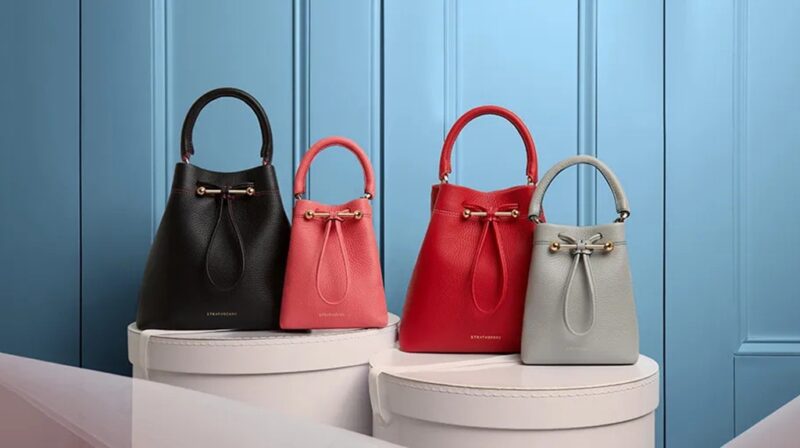
Strathberry. The name itself evokes a sense of quiet luxury, Scottish heritage blended with modern European flair. Since bursting onto the international scene, particularly after receiving a royal seal of approval, this Edinburgh-based brand has captivated fashion lovers with its clean lines, distinctive hardware, and undeniable quality. But with price tags often ranging from around £300 to over £700 ($400 – $975+), a common question arises: Why are Strathberry bags so expensive?
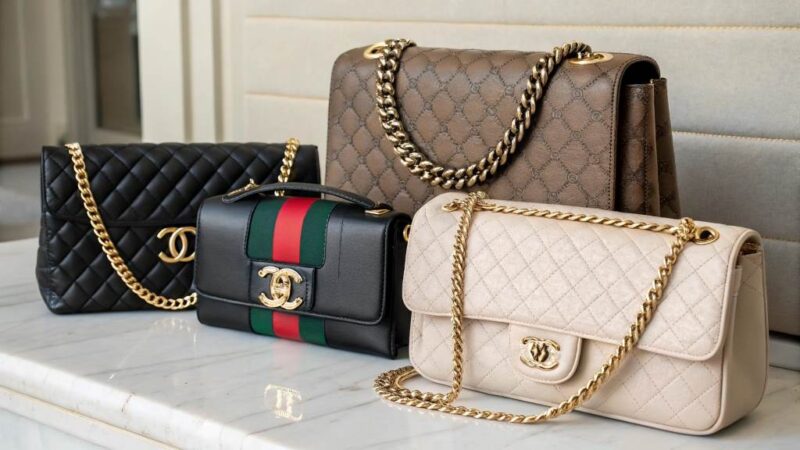
For many, a Strathberry bag represents a significant investment. It sits comfortably in the contemporary or “accessible luxury” market – a tier above high-street brands but generally below the astronomical prices of heritage houses like Chanel or Hermès. Understanding the cost requires looking beyond the surface and delving into the brand’s philosophy, process, and positioning. It’s a story woven from threads of meticulous craftsmanship, premium materials, thoughtful design, strategic exclusivity, and the undeniable power of the spotlight. Let’s unpack the key factors contributing to the price of a Strathberry handbag.
Meticulous Craftsmanship and Premium Materials
At the very heart of Strathberry’s value proposition lies its unwavering commitment to exceptional craftsmanship and the use of high-quality materials. This isn’t fast fashion; it’s the antithesis. Each Strathberry bag is a testament to traditional skills and painstaking attention to detail.
Handcrafted in Spain:
While designed in their Edinburgh atelier, every Strathberry bag is meticulously handcrafted in Spain. The brand collaborates with workshops located in the mountainous regions of Southern Spain, particularly areas like Ubrique in Andalucia, renowned for centuries as hubs of luxury leatherwork, supplying some of the world’s most prestigious fashion houses. The founders, Guy and Leeanne Hundleby, were inspired by the skills they witnessed being passed down through generations during their time living in Spain. This connection ensures access to unparalleled artisanal expertise.
Time-Intensive Process:
Creating a single Strathberry bag is a labor of love and precision. It takes a highly skilled artisan a minimum of 20 hours to bring one bag to life. This process involves handling up to 80 individual pattern pieces and executing over 2000 stitches with precision. This dedication to slow, careful manufacturing is a world away from mass production and inherently carries a higher cost, reflecting the time and skill invested.
Finest Quality Leather and Hardware:
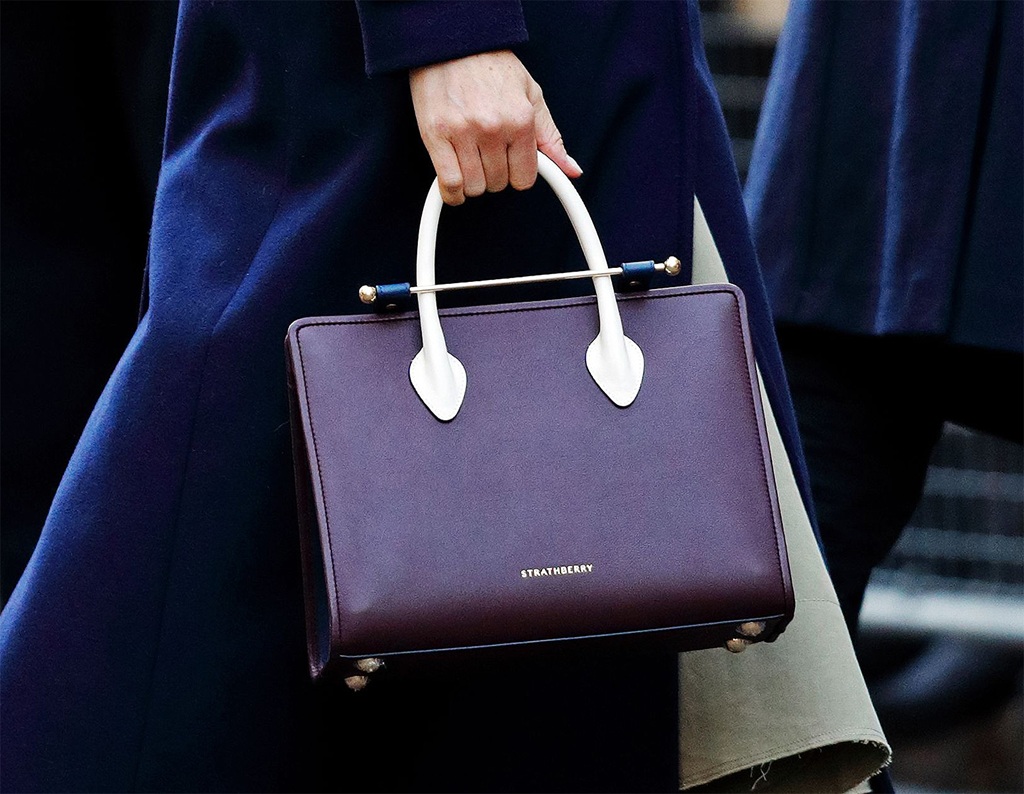
Strathberry uses only the finest quality Spanish leathers, often supple yet durable calfskin. They are committed to responsible sourcing, utilizing tanneries audited or certified by the Leather Working Group (LWG), ensuring environmental best practices. The brand often opts for finishes with minimal pigment, allowing the natural beauty and grain of the leather to shine through while still offering protection. This focus on premium raw materials significantly impacts the final price. Furthermore, the hardware, most notably the signature metal ‘music bar’ closure (inspired by a vintage music folio), is custom-designed and manufactured to high standards, adding another layer of quality and cost.
Design Philosophy and Brand Identity
Strathberry didn’t just replicate existing trends; it carved out its own distinct niche with a clear design philosophy that resonates with a modern audience seeking understated elegance.
Minimalist Yet Distinctive Aesthetic: Strathberry bags are instantly recognizable, primarily due to their clean, architectural lines and the signature bar closure. The designs are minimalist but not stark, elegant but functional. This strong visual identity appeals to those who appreciate luxury without overt logos. The design process, centred in their Edinburgh townhouse atelier, focuses on creating timeless silhouettes meant to be cherished for years, transcending fleeting trends.
Accessible Luxury Positioning: The brand strategically positions itself within the “accessible” or “contemporary” luxury market. This means offering a product with the hallmarks of high-end luxury – superior materials, craftsmanship, sophisticated design – but at a price point that, while premium, is significantly lower than the top-tier heritage brands. This positioning requires maintaining high standards across the board, from design to production to customer experience, all contributing to the operational costs reflected in the retail price. They aim to provide exceptional value within the luxury segment.
Timelessness and Versatility: Investing in a Strathberry bag is often seen as acquiring a piece that won’t quickly go out of style. The classic shapes, functional details (like detachable straps for versatile carrying options), and sophisticated colour palettes ensure the bags work across various occasions and seasons. This focus on longevity and versatility adds to the perceived value, justifying a higher initial investment compared to trend-driven items.
Limited Production and Exclusivity
Unlike brands churning out vast quantities of products, Strathberry embraces a more controlled approach to production, fostering a sense of exclusivity and desirability.
Small Batch Production: Strathberry explicitly states that its products are created in small batches and are not mass-produced. This deliberate strategy allows for rigorous quality control at every stage. Limited production runs mean that supply is carefully managed, preventing market saturation and reinforcing the idea that owning a Strathberry is possessing something special and not ubiquitously available.
Maintaining Desirability: This controlled scarcity naturally boosts desirability. When items frequently sell out or specific colourways are limited editions, it creates buzz and encourages customers to purchase when items are available. While perhaps not creating the extreme waiting lists of some ultra-luxury brands, this approach ensures the bags remain coveted items, supporting their premium pricing.
The ‘Meghan Markle Effect’ and Celebrity Endorsement
No discussion of Strathberry’s rise and pricing is complete without acknowledging the phenomenal impact of celebrity and royal endorsements, particularly the “Meghan Effect.”
Instant Global Recognition: Before December 2017, Strathberry was a respected but relatively niche brand, known primarily within fashion circles. When Meghan Markle (now the Duchess of Sussex) carried the Strathberry Midi Tote in burgundy, navy, and vanilla during her first official engagement with Prince Harry, the brand was catapulted onto the global stage overnight. The bag reportedly sold out within 11 minutes.
Surge in Demand and Brand Value: This single appearance, followed by others where Meghan carried different Strathberry styles (like the East/West Mini), triggered an unprecedented surge in demand, website traffic, social media engagement, and, crucially, sales. Reports indicated sales jumped by 200-300% initially. This explosion in popularity and brand recognition allowed Strathberry to solidify its position and command its luxury price point more confidently. The association with royalty and high-profile figures inherently elevates a brand’s perceived value.
Continued High-Profile Sightings: Beyond Meghan Markle, Strathberry bags have been spotted on other influential figures, including the Princess of Wales (Kate Middleton), Lady Gaga, Katie Holmes, Jennifer Lopez, and Kerry Washington. Each sighting reinforces the brand’s luxury status and desirability, contributing to the justification for its pricing.
Related: Unlock Luxury for Less: The Best Affordable Designer Handbags on Amazon USA
Marketing, Branding, and Operational Costs
Running a luxury brand involves significant overheads beyond the physical creation of the product. These costs are inevitably factored into the final price tag.
Brand Building: Establishing and maintaining a luxury image requires investment in high-quality photography, sophisticated marketing campaigns, public relations, and premium packaging (though some customer reviews suggest the packaging is relatively minimal, perhaps aligning with a sustainable ethos).
Retail Presence and Operations: Strathberry operates its own boutiques in prime locations like Edinburgh, London (Burlington Arcade), and Shanghai, alongside partnerships with high-end retailers like Nordstrom. The costs associated with prime real estate, staffing, and maintaining a seamless online and offline customer experience are substantial.
Design and Development: The Edinburgh-based design atelier represents an ongoing investment in creative talent and product development to keep collections fresh while adhering to the core brand DNA.
Supply Chain and Labor Costs: Ensuring ethical production, paying fair wages (reportedly higher than minimum wage) to skilled artisans in Spain, managing logistics, import/export duties, and using responsibly sourced materials all contribute to the base cost of each bag. The company also secured significant venture capital funding ($10.8M in 2022) to support growth, which often comes with expectations of returns reflected in pricing strategy.
Related: The Enduring Allure of Dior Handbags: Finding Authenticity in the USA
Comparing Strathberry to Other Luxury Brands
Understanding Strathberry’s price point also involves looking at its position relative to competitors.
Value within the Luxury Sphere: When compared to bags of similar craftsmanship and material quality from legacy luxury houses (where prices can easily soar into multiple thousands of dollars/pounds), Strathberry offers a compelling value proposition. Independent analyses, like those by Tanner Leatherstein who examines bag construction and material costs, have often concluded that Strathberry provides high-quality construction and materials relative to its price, suggesting a lower markup compared to some top-tier brands.
A Step Above Contemporary Brands: Conversely, compared to many contemporary brands occupying a similar price bracket, Strathberry often stands out for its specific commitment to Spanish craftsmanship and its unique design signature. It occupies a sweet spot for consumers aspiring to high-end luxury quality and design without reaching the highest designer price echelons.
Related: Finding Your Dream Chanel Bag: The Truth About Availability in the USA (Including on Amazon)
People Also Ask (FAQs)
Q1: Where are Strathberry bags made?
A: Strathberry bags are designed in the brand’s headquarters in Edinburgh, Scotland, but they are meticulously handcrafted by skilled artisans in Spain, primarily in regions known for luxury leather goods manufacturing like Andalucia.
Q2: What kind of leather does Strathberry use?
A: Strathberry primarily uses high-quality Spanish leathers, often fine-grain calfskin. They prioritize responsibly sourced materials, frequently working with tanneries certified by the Leather Working Group (LWG) for environmental best practices. They have also explored other materials like suede, organic cotton, and vegan grape leather.
Q3: Is Strathberry considered a luxury brand?
A: Yes, Strathberry is considered a luxury brand, specifically within the “accessible luxury” or “contemporary luxury” segment. It offers high-quality materials, meticulous craftsmanship, and sophisticated design at a price point below the highest-tier heritage luxury houses but significantly above mass-market brands.
Q4: Who owns Strathberry?
A: Strathberry was founded in 2013 and is owned by the husband-and-wife team Guy and Leeanne Hundleby. They were inspired to create the brand after experiencing the leathercraft traditions in Spain.
Q5: How should I care for my Strathberry bag?
A: To maintain your Strathberry bag, store it in its protective dust bag when not in use, stuffed with tissue paper to retain its shape. Avoid prolonged exposure to direct sunlight, heat, and moisture. Protect it from rain; if it gets wet, gently wipe it with a soft, dry cloth. Avoid contact with oils, makeup, and permanent dyes. For minor scuffs on leather, you can sometimes gently buff them with a clean, dry cloth. For specific cleaning advice or repairs, consult Strathberry’s official care guidelines or contact their customer service.
Conclusion: An Investment in Quality and Style
So, why are Strathberry bags expensive? The price isn’t arbitrary; it’s a reflection of a multi-faceted commitment. It reflects the cost of employing highly skilled Spanish artisans dedicating over 20 hours to handcraft each piece. Strathberry represents the investment in premium, responsibly sourced European leathers and bespoke hardware. It embodies a distinct, timeless design philosophy born in Scotland.
Furthermore, the price incorporates the controlled production ensuring exclusivity, the significant brand value boosted by high-profile endorsements, and the operational costs of running an international luxury business.
Ultimately, a Strathberry bag’s cost is a blend of tangible quality – the feel of the leather, the precision of the stitching, the satisfying click of the hardware – and intangible value – the design, the brand story, the association with understated luxury, and the confidence that comes from carrying a beautifully crafted, enduring piece. For those who appreciate meticulous craftsmanship, timeless design, and a foothold in the luxury world without reaching its highest price peaks, the Strathberry investment often feels well worth it.