
For decades, the phrase “Made in Italy” has been synonymous with unparalleled craftsmanship, exquisite materials, and the undeniable allure of luxury fashion. When it comes to iconic brands like Prada, the expectation of Italian provenance is deeply ingrained in the minds of discerning consumers. But as the globalized economy evolves and luxury houses expand their reach, a frequently asked question surfaces: Are Prada bags made in China?
The short answer is: Yes, authentic Prada bags can indeed be made in China.
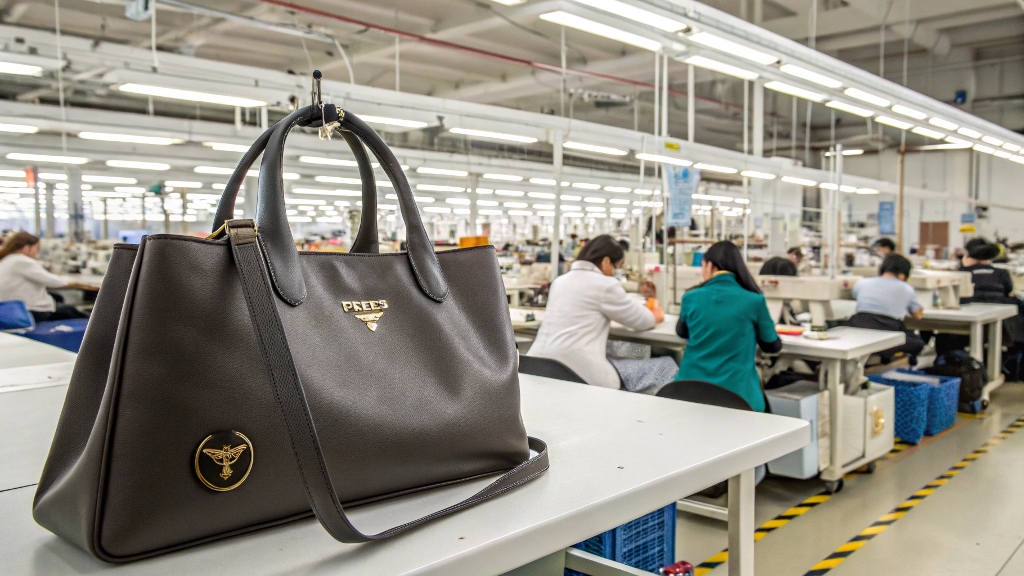
This revelation might surprise some, even stir a touch of skepticism, but it’s a reality that reflects the complex and increasingly globalized nature of luxury manufacturing. While Prada remains deeply rooted in its Italian heritage and the vast majority of its production occurs in Italy, the brand, like many other high-end labels, leverages manufacturing capabilities in other regions, including China, for specific product lines and components.
To truly understand this, we need to delve deeper into Prada’s manufacturing strategy, its commitment to quality control, and the evolving landscape of the luxury industry
The Heart of Prada: “Made in Italy” Remains Paramount
Before addressing the “Made in China” aspect, it’s crucial to reinforce that Italy remains the primary production hub for Prada. The brand was founded in Milan in 1913 by Mario Prada, and its legacy is inextricably linked to Italian artistry and expertise.
Prada operates numerous company-owned manufacturing sites across Italy, particularly in Tuscany, where much of its leather goods production, including the intricate work on its iconic Saffiano leather bags, takes place. These Italian factories are the cornerstone of Prada’s commitment to high-quality craftsmanship, employing skilled artisans who meticulously bring each design to life. The expertise passed down through generations, combined with state-of-the-art technology, ensures that products bearing the “Made in Italy” label uphold the brand’s rigorous standards.
In fact, the Prada Group has made significant investments in strengthening its industrial division in Italy, even acquiring former suppliers to internalize more production processes and further control the value chain. This dedication to Italian manufacturing underscores its importance to the brand’s identity and quality assurance.
The Global Expansion: Where China Comes Into Play
So, if Italy is the core, why the “Made in China” label? The answer lies in several factors:
- Material Sourcing and Specialization: Certain materials are more readily available or are produced with specialized expertise in specific regions. For example, some sources indicate that Prada’s popular nylon bags are often manufactured in China due to the material being sourced from there. This allows Prada to optimize its supply chain and leverage regional strengths.
- Production Capacity and Efficiency: The global demand for luxury goods is immense. To meet this demand efficiently and on time, brands often need to diversify their production locations. China offers robust manufacturing capabilities, advanced infrastructure, and skilled labor, making it a viable option for certain production volumes and product types.
- Cost-Effectiveness (with caveats): While it’s a common assumption that manufacturing in China is solely about reducing labor costs, for luxury brands, it’s more nuanced. While labor might be a factor, the primary drivers are often related to economies of scale, access to specialized machinery, and efficient supply chain management. Luxury brands maintain strict quality control regardless of the manufacturing location, which involves significant investment in oversight.
- Strategic Partnerships and Subcontractors: Prada, like many luxury brands, works with a network of external contractors. These partners are carefully vetted to ensure they meet Prada’s stringent standards for craftsmanship, quality, and ethical production. Some of these subcontractors may be located in China.
It’s estimated that approximately 20% of Prada’s entire range, particularly nylon goods and certain footwear, may be manufactured in China.
The Unwavering Commitment to Quality, Regardless of Location
A crucial point to understand is that a “Made in China” label on an authentic Prada bag does not imply a compromise in quality. Luxury brands like Prada meticulously oversee their entire supply chain, regardless of where production takes place. This includes:
- Strict Quality Control: Prada implements rigorous quality assurance processes at every stage of manufacturing. This means regular inspections, adherence to precise specifications, and stringent material checks, whether the item is being made in Italy or China.
- Proprietary Techniques and Design Oversight: Even when manufacturing is outsourced, the design, development, and many proprietary techniques remain under Prada’s direct control. The intellectual property and core design philosophy originate from Italy.
- Ethical Production Standards: The Prada Group is committed to ethical production and sustainable practices across its entire supply chain. Their sustainability reports detail their efforts in ensuring fair labor practices, environmental responsibility, and traceability of materials, even with external suppliers. They conduct supplier audits covering labor, emissions, and water use to ensure compliance with their Global Code of Ethics.
Authenticity and the “Made in China” Label: What to Look For
- Overall Quality and Craftsmanship: Authentic Prada bags, regardless of origin, exhibit impeccable attention to detail. This includes:
- Stitching: Even, straight, and precise stitching that matches the bag’s color. No loose threads or inconsistencies.
- Materials: High-quality leather (like Saffiano or Nappa), durable nylon (especially their signature Re-Nylon), and other premium materials. The texture and feel should be luxurious.
- Hardware: Heavy, high-quality metal hardware (zippers, buckles, clasps) that is consistent in color and finish. Look for engraved brand names (e.g., Lampo, Opti, Riri, Ipi, YKK) on the underside of zippers.
- Symmetry and Structure: The bag should hold its shape well, with clean, crisp lines and symmetrical proportions.
- The Prada Logo and Plaques:
- Exterior Logo Plaque: Many Prada bags feature an enamel or leather triangle logo plaque. Pay close attention to the distinct curve in the right leg of the “R” in “PRADA” – a common authentication point.
- Interior Tag: The interior tag should typically state “Prada Milano Made in Italy” or “Prada Made in China,” depending on the item.
- Authenticity Card and Packaging:
- Authenticity Card: Most new Prada bags come with a white authenticity card in a black envelope. This card should have the serial number, style details, and the Prada logo, along with “Authenticity Certificate Card” in English and Italian. The printing should be crisp, and the spacing even.
- Dust Bag: Authentic Prada dust bags are typically white with a blue logo or navy blue with a gold logo, made of good quality cotton, and feature a drawstring closure. The “Prada 100% Cotton Made in Italy” label should be present.
- Serial Numbers and Factory Tags:
- Prada bags often have a small, white square-shaped quality assurance tag with a printed number (1, 2, or 3) indicating the factory number. This is an internal control measure.
The Broader Perspective: Luxury’s Evolving Supply Chain
Prada’s decision to manufacture some products in China is not an isolated incident. Many prominent luxury brands, including those fiercely associated with European heritage, have diversified their production to various global locations. This is a reflection of:
- Globalized Sourcing: The best raw materials or specialized components may come from different parts of the world.
- Talent and Expertise: Specific manufacturing expertise for certain product categories might exist outside of the traditional luxury hubs.
- Market Proximity: Producing closer to key consumer markets can streamline logistics and reduce lead times.
- Technological Advancements: Manufacturing facilities worldwide have adopted advanced technologies, enabling them to meet the exacting standards of luxury production.
Read More Also: How to Spot a Genuine Second-Hand Hermès Birkin: Your Ultimate Guide
Conclusion: Authenticity Lies Beyond a Single Label
So, the next time you encounter a Prada bag with a “Made in China” label, rest assured that it doesn’t automatically mean it’s a fake. It’s a legitimate reflection of Prada’s global manufacturing strategy,
documentation. As luxury fashion continues to evolve, understanding the nuances of global production becomes increasingly important for informed consumers.