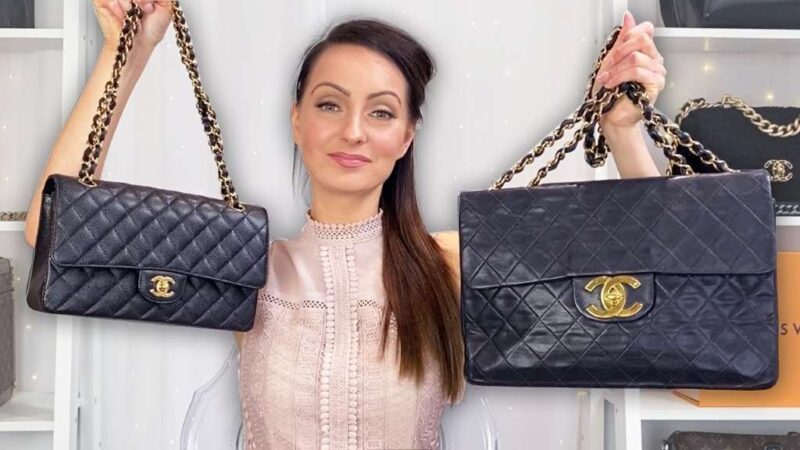
Vintage Chanel Flap Bags are timeless treasures, coveted for their elegance and investment value. However, the rise in counterfeit goods makes authentication critical. In 2023, the luxury resale market reached $49.3 billion, with Chanel bags leading demand, according to a Bain & Company report. Sadly, fakes flood the market, deceiving even savvy buyers. Authenticating a vintage Chanel Flap Bag ensures your purchase is genuine and retains value. This guide offers actionable steps to verify authenticity, drawing from expert insights and personal experience. Years ago, I nearly bought a fake Chanel bag online, but spotting a suspicious logo saved me thousands. This post will help you avoid similar pitfalls, covering serial numbers, hardware, and more. Let’s dive into the essentials of authenticating your vintage Chanel Flap Bag.
Why Authentication Matters for Vintage Chanel Flap Bags
Authentication protects your investment and preserves the bag’s legacy. Vintage Chanel Flap Bags, especially from the 1980s and 1990s, can fetch $5,000–$20,000, per Sotheby’s auctions. Counterfeits dilute this value and tarnish the brand’s reputation. Additionally, fakes often use inferior materials, leading to quicker wear. Authentic bags carry a story—crafted with precision and history.
For instance, my friend once bought a “Chanel” bag at a flea market, only to discover its stitching unraveled within months. Authenticating a bag ensures you’re buying quality. Moreover, reselling an unauthenticated bag risks legal issues or loss of trust in the luxury market. By verifying authenticity, you safeguard your money and support ethical practices. Let’s explore key authentication steps next.
Step 1: Check the Serial Number and Authenticity Card
Every Chanel Flap Bag made after 1984 has a serial number and authenticity card. The serial number, a 6–8 digit code on a sticker inside the bag, matches the card. For vintage bags (pre-2000), expect 6–7 digits. Counterfeits often have mismatched or poorly printed numbers. According to Entrupy, a luxury authentication service, 30% of fake Chanel bags have tampered serial numbers. Inspect the sticker’s hologram for a glossy finish and Chanel logo. The authenticity card should have crisp text and a gold border. Once, I examined a bag with a faded card—clearly a red flag. If the seller lacks the card or serial number, proceed cautiously. Cross-check the serial number with Chanel’s production records through a trusted authenticator. This step is non-negotiable for vintage bags.
Step 2: Inspect the Quilted Stitching
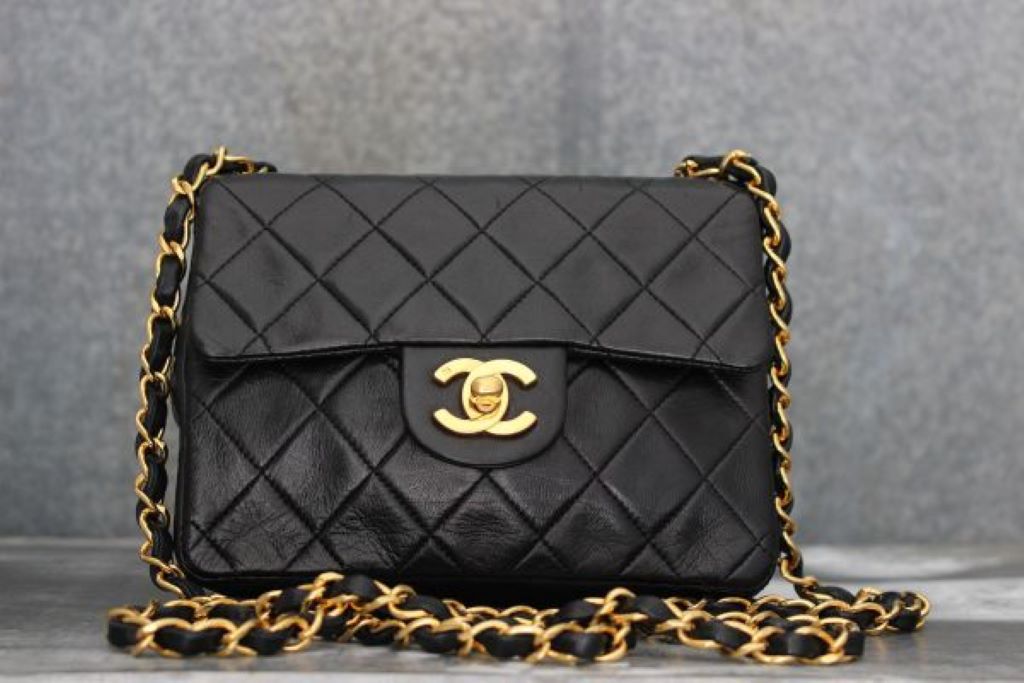
Chanel’s iconic quilting is a hallmark of authenticity. Vintage Flap Bags feature diamond-shaped stitching with 9–11 stitches per inch, ensuring uniformity. Counterfeits often have uneven or loose stitches. A 2022 study by The RealReal found 25% of rejected Chanel bags had faulty stitching. Run your fingers over the leather; authentic bags feel smooth, with tight, consistent stitches. Check the back flap for aligned quilting patterns. My first authentication attempt revealed a fake bag with misaligned stitches under bright light. Use a magnifying glass to spot irregularities. Additionally, the thread color should match the bag’s leather—black thread for black bags, for example. Proper stitching reflects Chanel’s craftsmanship, so don’t skip this step. Discover 10 Proven Methods to Authenticate Vintage Chanel Bags with Serial Numbers.
Step 3: Examine the Hardware and Logo
The hardware on vintage Chanel Flap Bags is gold- or silver-toned, often plated with 24K gold for pre-2000 models. Authentic hardware feels heavy and has a subtle shine. Counterfeits use lightweight, shiny metal that tarnishes quickly. The CC logo turn-lock should have flathead screws and crisp, symmetrical letters. Per a Vogue report, 40% of fake Chanel bags have poorly engraved logos. Inspect the logo’s font—authentic ones have a distinct, rounded “C.” I once spotted a fake bag with a logo that looked too angular. Check zippers for the brand name (e.g., YKK or EP) and smooth operation. Chains should feel substantial, with interwoven leather that’s evenly cut. Hardware is a telltale sign of authenticity, so scrutinize every detail.
Step 4: Verify the Leather and Lining
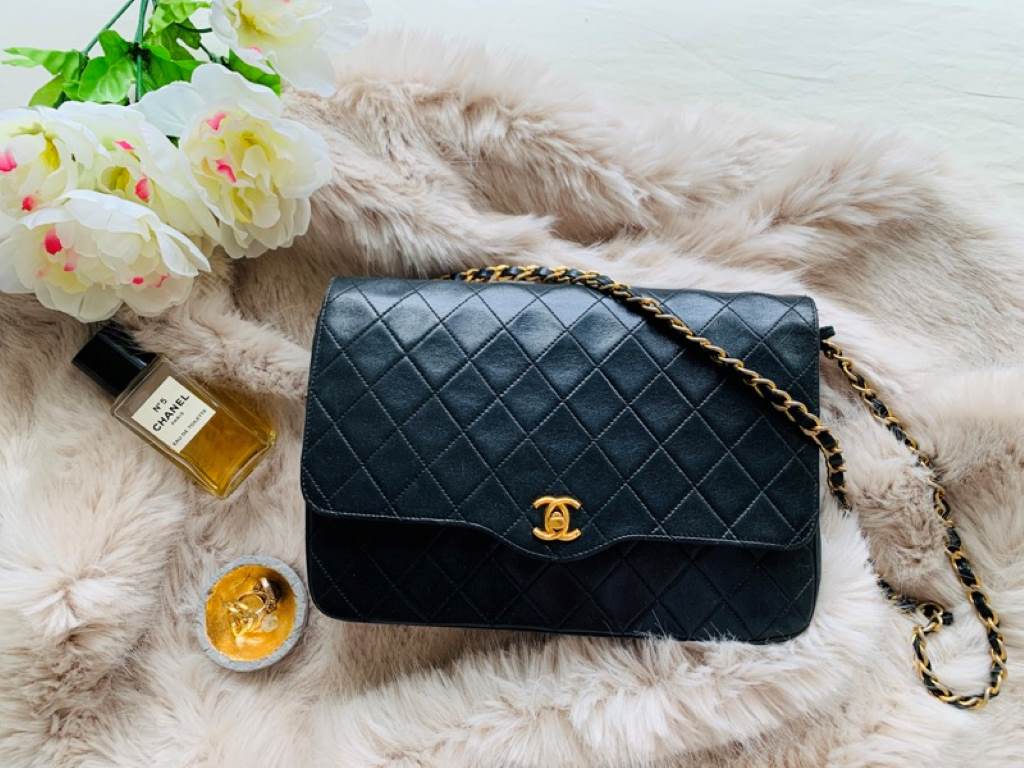
Chanel uses premium lambskin or caviar leather for Flap Bags, both buttery soft yet durable. Vintage bags often have a slightly worn patina, but fakes use cheap, plasticky materials. A Fashionphile study noted 35% of counterfeit bags had synthetic leather. Smell the bag—authentic Chanel leather has a faint, luxurious scent, not a chemical odor. The lining, typically burgundy leather or fabric, should be taut and logo-stamped. My cousin once bought a bag with a flimsy lining, a dead giveaway. Check for consistent grain on caviar leather or smoothness on lambskin. Additionally, the leather’s edges should be neatly sealed, not frayed. Authentic materials elevate the bag’s feel, making this step crucial.
Step 5: Analyze the Dust Bag and Packaging
Vintage Chanel Flap Bags come with a black dust bag featuring a white Chanel logo. Pre-1990 bags may have a simpler logo, while post-1990 ones include “Chanel” in bold text. Counterfeit dust bags often have blurry logos or thin fabric. According to Rebag, 20% of fake Chanel items lack proper packaging. The box should be sturdy, with embossed branding and tissue paper. I once received a “Chanel” bag in a flimsy box—clearly not authentic. Check for a care booklet or hologram sticker in the packaging. While missing packaging isn’t a dealbreaker for vintage bags, its presence adds credibility. Always compare the dust bag’s font and stitching to official Chanel examples online.
Step 6: Evaluate the Bag’s Provenance
Provenance, or the bag’s ownership history, boosts authenticity. Vintage Chanel Flap Bags from reputable sellers like Christie’s or Heritage Auctions often include receipts or certificates. If buying privately, ask for purchase records or photos of the original owner with the bag. A 2021 Luxe Digital report found 60% of authenticated luxury bags had documented provenance. My mentor once shared how a seller’s detailed receipt saved her from a scam. Check for wear consistent with the bag’s age—vintage bags show light scratches, not heavy damage. Be wary of “too good to be true” deals on platforms like eBay. Provenance isn’t always available, but it’s a strong indicator of authenticity when present.
Step 7: Consult a Professional Authenticator
If doubts persist, hire a professional authenticator. Services like Entrupy or Real Authentication use AI and expert analysis to verify luxury goods. In 2023, Entrupy reported a 98% accuracy rate for Chanel bag authentication. These services cost $20–$100 but save thousands in losses. I once paid for authentication after spotting a questionable serial number—it was worth the peace of mind. Submit clear photos of the bag’s interior, hardware, and stitching. Alternatively, visit a Chanel boutique for in-person verification, though they may charge a fee. Professional authenticators catch details amateurs miss, like micro-engravings or stitching anomalies. For high-value vintage bags, this step is a must.
Common Red Flags to Watch For
Spotting fakes requires vigilance. Here are common red flags:
- Inconsistent Serial Numbers: Mismatched or missing numbers scream counterfeit.
- Poor Stitching: Uneven or loose stitches indicate low quality.
- Cheap Hardware: Lightweight or overly shiny metal is a giveaway.
- Wrong Font: Logos with odd spacing or fonts aren’t Chanel.
- Chemical Smell: Authentic leather doesn’t smell like plastic.
A 2022 PurseBlog survey found 45% of fake Chanel bags had at least two of these issues. My near-miss with a fake bag taught me to trust my instincts—if something feels off, it probably is. Always compare your bag to images on Chanel’s official site or trusted resellers like The RealReal.
Where to Buy Authentic Vintage Chanel Flap Bags
Buy from reputable sources to minimize risks. Trusted platforms include:
- Auction Houses: Sotheby’s and Christie’s offer authenticated bags with provenance.
- Luxury Resellers: The RealReal and Fashionphile provide authentication guarantees.
- Chanel Boutiques: Some sell pre-owned bags with verified authenticity.
Avoid unverified sellers on Instagram or Craigslist, where fakes are rampant. A 2023 WWD report noted 50% of luxury goods sold on social media were counterfeit. I learned this the hard way when a “deal” on Instagram turned out to be a scam. Stick to platforms with return policies and authentication services. Research the seller’s reputation and read reviews before buying.
Conclusion
Authenticating a vintage Chanel Flap Bag is both an art and a science. By checking serial numbers, stitching, hardware, and more, you ensure your investment is genuine. The luxury resale market is booming, but so is the counterfeit trade. Armed with this guide, you can shop confidently, avoiding costly mistakes. My journey with Chanel bags taught me the value of diligence—each step brings you closer to owning a piece of fashion history. Don’t let fakes dim your excitement. Share your authentication tips or questions in the comments below, or spread this guide to help others! For more insights, visit Chanel’s official site or The RealReal’s authentication guide.
FAQs
How can I tell if my Chanel Flap Bag is vintage?
Vintage Chanel Flap Bags are typically pre-2000, with 6–7 digit serial numbers and specific hardware like 24K gold plating. Check the serial sticker and consult an authenticator.
Are all Chanel Flap Bags with authenticity cards real?
No, counterfeiters replicate authenticity cards. Verify the card’s font, gold border, and matching serial number. Mismatched or faded cards are red flags.
Can I authenticate a Chanel bag myself?
Yes, by checking serial numbers, stitching, hardware, and leather. However, professional authenticators like Entrupy offer higher accuracy for complex cases.
What if my vintage Chanel bag lacks a dust bag?
Missing dust bags are common for vintage bags. Focus on serial numbers, stitching, and hardware. A missing dust bag alone doesn’t mean it’s fake.
Where should I avoid buying vintage Chanel bags?
Avoid unverified sellers on social media or marketplaces like Craigslist. Stick to reputable resellers like The RealReal or auction houses for guaranteed authenticity.