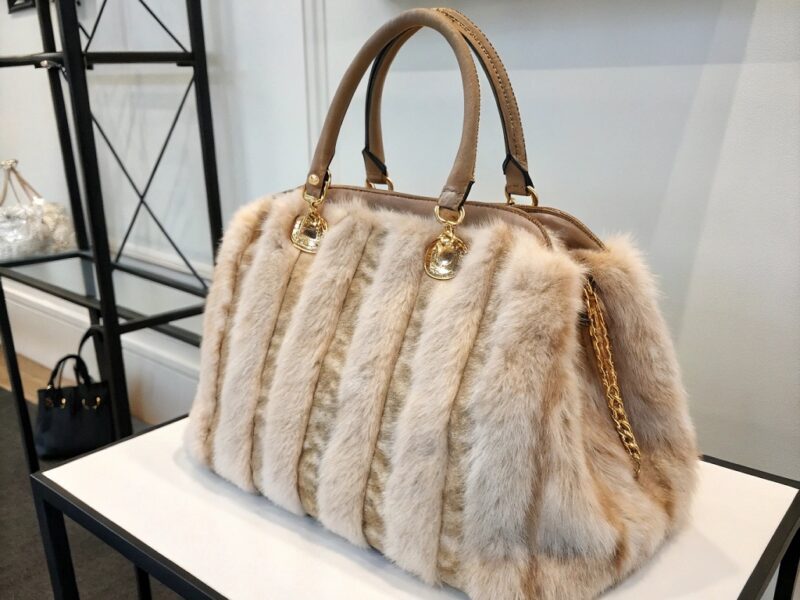
The world of fashion is constantly evolving, and one accessory that consistently makes a statement, blending cozy textures with undeniable chic, is the fake fur bag. Once perhaps seen merely as a substitute, the faux fur bag has truly come into its own, becoming a coveted item for style enthusiasts globally. It’s more than just a trend; it represents a conscious choice, a playful addition to an outfit, and a touch of luxe without the ethical dilemma often associated with traditional fur.
Whether you’re drawn to its plush softness, its bold fashion statement, or its cruelty-free credentials, the fake fur bag offers something for everyone. From high-end designers to accessible high-street brands, the variety is staggering. But what’s behind the enduring appeal? Let’s delve into the cozy, stylish, and sometimes complex world of the faux fur handbag.
The Rise and Reign of Faux Fur
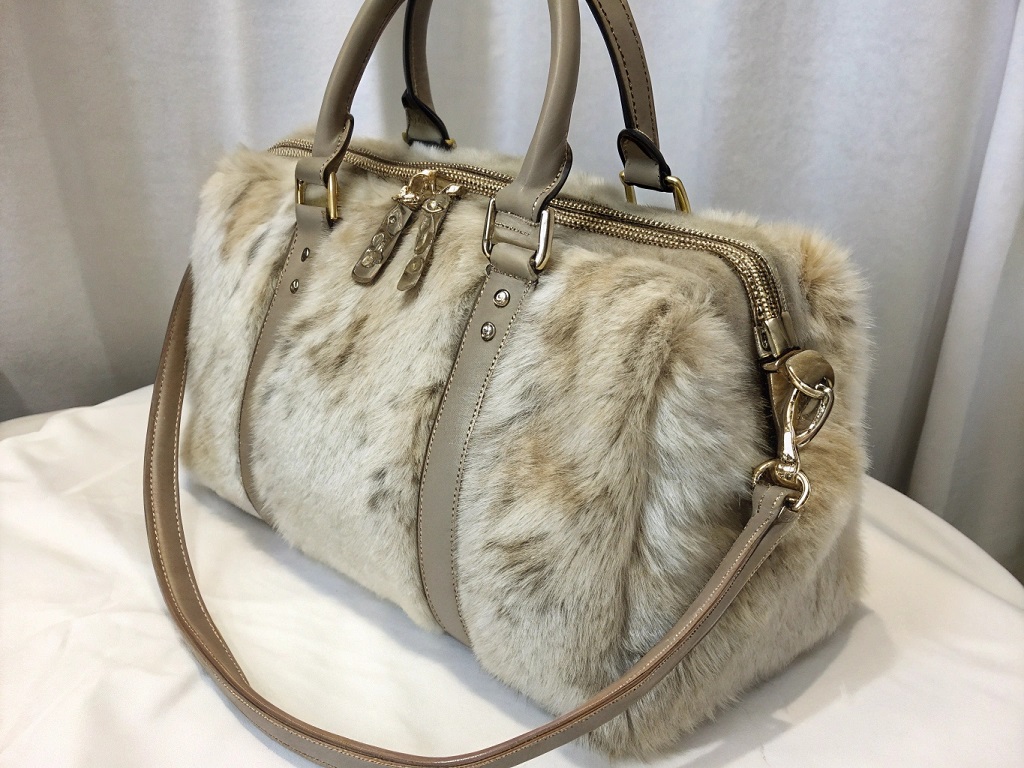
Faux fur, essentially a synthetic fabric designed to mimic the look and feel of animal fur, isn’t entirely new. Its origins trace back to the early 20th century, with early versions made from materials like alpaca hair. However, technological advancements in textiles, particularly the development of synthetic fibers like acrylic, modacrylic, and polyester (often derived from petroleum), revolutionized faux fur production. These advancements allowed for lighter, more realistic textures, a wider array of colours, and greater durability.
The real surge in popularity, however, is more recent. Driven significantly by growing consumer awareness regarding animal welfare and the environmental impact of the fashion industry, faux fur shifted from being just an “alternative” to a desirable material in its own right. High-profile designers and luxury brands began embracing faux fur, signalling a major shift in industry perception. This ethical consideration is a primary driver for many consumers choosing faux fur accessories today. It allows them to enjoy the aesthetic and tactile qualities associated with fur without compromising their values regarding animal rights. Furthermore, the versatility and often more accessible price point compared to real fur have cemented its place in mainstream fashion.
Why Choose a Fake Fur Bag? The Compelling Factors
Opting for a fake fur bag goes beyond just following a trend; it’s often a multi-faceted decision. Here’s a closer look at the reasons behind their popularity:
- The Cruelty-Free Compassion: This is arguably the most significant factor for many. Choosing faux fur means no animals were harmed for fashion. As awareness of practices within the fur industry has grown, consumers are increasingly seeking alternatives that align with ethical values. Brands proudly market their faux fur items as “vegan” or “cruelty-free,” appealing directly to this conscious consumer base.
- A Statement of Style: Fake fur bags are inherently eye-catching. Their unique texture adds dimension and interest to any outfit, instantly elevating a simple look. Whether it’s a brightly coloured fuzzy tote, a chic shearling crossbody, or an elegant plush clutch, these bags demand attention and serve as a focal point. They can inject personality, playfulness, or sophistication depending on the style.
- Versatility in Design: The synthetic nature of faux fur allows for incredible creativity. Designers can produce faux fur in virtually any colour imaginable, from realistic animal prints (like leopard or zebra) to vibrant neons and soft pastels. Textures also vary widely – long and shaggy, short and dense, curly like shearling, or super-soft and plush. This design freedom means there’s a faux fur bag to suit almost any taste, occasion, or season.
- Accessibility and Affordability: While high-end designer faux fur bags exist, generally, faux fur is significantly more affordable than real fur. This accessibility allows a broader range of consumers to participate in the trend and enjoy the luxurious feel without the hefty price tag associated with genuine fur items.
- Ease of Care (Generally): Compared to the specialized cleaning and storage required for real fur, many faux fur bags are relatively easy to maintain. While care instructions should always be followed, basic spot cleaning or gentle hand washing is often sufficient (more on this later!).
Exploring the Diverse World of Fake Fur Bag Styles
The term “fake fur bag” encompasses a vast array of designs, textures, and functions. Here are some of the popular styles you’ll encounter:
- The Tote Bag: Practicality meets plushness. Faux fur tote bags offer ample space for daily essentials, making them a stylish choice for work, errands, or weekend outings. Brands like Tory Burch (Ella Faux Fur Tote) and Kurt Geiger London (Southbank Tote) offer chic examples. They can range from fully fuzzy exteriors to bags with faux fur trims or panels.
- The Crossbody Bag: For hands-free convenience, the faux fur crossbody is a winner. Perfect for casual days, festivals, or evenings out when you only need the essentials. Styles range from sporty interpretations (like the Nike Sportswear Futura 365) to more structured or pouch-like designs. The adjustable strap adds practicality, and the fur element adds flair.
- The Clutch & Pouch: Ideal for evening events or adding a pop of texture to a minimalist outfit. Faux fur clutches and pouches (like those from Apparis) can be sleek and sophisticated or bold and playful. They might feature simple envelope shapes, soft foldable designs, or even novelty shapes.
- The Backpack: Merging functionality with fun, faux fur backpacks offer a youthful and trendy vibe. They provide storage space while making a distinct style statement, perfect for casual wear or making a statement on campus.
- The Hobo & Shoulder Bag: Slouchy hobo bags or more structured shoulder bags crafted from or accented with faux fur provide a blend of relaxed and refined style. Brands like STAUD have showcased unique faux fur hobo designs.
- Textural Variations: Beyond the shape, the type of faux fur makes a huge difference. You’ll find long, shaggy faux furs for a bold, retro look; dense, plush furs that mimic mink or rabbit; curly, nubby textures resembling shearling or boucle; and even faux furs printed with patterns like leopard or cow print. Each texture offers a different aesthetic and tactile experience.
How to Style Your Fake Fur Bag: Tips for Every Occasion
A fake fur bag can be surprisingly versatile. Here’s how to incorporate it into your wardrobe:
- Casual Chic: Elevate your everyday jeans-and-sweater combo with a faux fur crossbody or tote. It adds an unexpected touch of luxury and texture to a simple outfit. Pair with ankle boots or even clean sneakers for a balanced look.
- Evening Glamour: A faux fur clutch is a perfect companion for evening wear. It pairs beautifully with silk slip dresses, satin blouses, or tailored jumpsuits. As fashion experts suggest, when the bag (or a faux fur coat) is the star, keep other accessories minimal to avoid an overly busy or retro look.
- Monochromatic Mood: Create a sophisticated look by pairing a neutral-toned faux fur bag (think cream, black, grey, or brown) with an outfit in similar shades. The textural contrast between the fur and other fabrics (like wool, cashmere, or denim) keeps it interesting.
- Pop of Colour: Use a brightly coloured faux fur bag to inject fun and personality into a neutral outfit. A vibrant pink, blue, or green fuzzy bag can be the perfect statement piece against a black, white, or beige backdrop.
- Seasonal Styling: While often associated with winter for their cozy vibe, faux fur bags, especially smaller styles or those with lighter colours or just fur accents, can work year-round. Think pastel faux fur clutches for spring events or faux fur bum bags for summer festivals. The key is context and balance. Brands like Jayley even promote faux fur accessories for festival wear.
- Texture Play: Don’t be afraid to mix your faux fur bag with other textures. Pair it with leather jackets, chunky knits, smooth silks, or crisp cottons for a rich, multi-dimensional look.
Caring for Your Fuzzy Friend: Keeping Your Faux Fur Bag Fabulous
To ensure your faux fur bag stays looking its best, proper care is essential. Faux fur is typically made from synthetic fibers sensitive to heat, so gentle handling is key.
- Check the Label: Always consult the manufacturer’s care tag first. Some bags might have specific instructions or components (like leather trim or heavy embellishments) that prohibit washing. “Dry Clean Only” means leave it to the professionals.
- Spot Cleaning: For minor spills or marks, spot cleaning is often sufficient. Use a damp cloth and a tiny amount of mild detergent (like a wool/cashmere wash or even a gentle baby shampoo). Gently dab the affected area – avoid vigorous rubbing, which can tangle the fibers. Rinse the cloth and dab again with clean water to remove soap residue. Allow to air dry.
- Hand Washing (If Permitted): If the entire bag needs cleaning and the label allows, hand washing is usually the safest method.
- Pretreat any noticeable stains gently with a stain remover suitable for delicates.
- Fill a basin or clean sink with cold water. Hot water can damage synthetic fibers.
- Add a small amount of gentle detergent and swirl to mix.
- Submerge the bag and gently swish it around. Let it soak for up to 30 minutes. Avoid excessive agitation.
- Drain the soapy water and rinse the bag thoroughly under cool running water until all soap residue is gone.
- Gently press the water out of the bag. Do not wring or twist, as this can distort the shape and mat the fur. You can press it against the side of the sink or roll it gently in a clean, thick towel to absorb excess moisture.
- Drying: Never put a faux fur bag in the dryer! The heat can melt or permanently damage the fibers. Lay the bag flat on a clean towel or hang it on a sturdy, padded hanger (if appropriate for the bag’s structure) to air dry completely. Keep it away from direct sunlight or heat sources (like radiators). This may take 24 hours or more.
- Restoring Fluffiness: Once completely dry, the faux fur might look a bit flat or tangled. Use a soft-bristled brush (like a baby brush or a specific fur brush) or a wide-toothed comb to gently brush the fibers back into place. Brush in the direction of the fur, working in small sections. For stubborn tangles, some sources suggest mixing a tiny amount of hair conditioner with water in a spray bottle, lightly misting a section, and then gently brushing. Wipe with a damp cloth afterward and let it air dry again.
- Storage: Store your faux fur bag in a cool, dry place away from direct sunlight. Avoid compressing it under heavy items, which can crush the pile. Storing it in a breathable dust bag can help protect it.
The Sustainability Question: Faux Fur vs. Real Fur
The debate around the environmental impact of faux versus real fur is complex, with valid points on both sides. While faux fur offers a clear ethical advantage regarding animal welfare, its environmental footprint isn’t negligible.
- Faux Fur’s Environmental Concerns: Most faux fur is made from synthetic plastics like acrylic, polyester, and modacrylic, which are derived from petroleum – a non-renewable fossil fuel. The production process involves chemicals and energy. Furthermore, these synthetic materials are not biodegradable and can take hundreds of years to decompose in landfills. A significant concern is the shedding of microplastic fibers, especially during washing, which contributes to plastic pollution in waterways and oceans.
- Real Fur’s Environmental Concerns: The real fur industry argues its product is natural and biodegradable. However, raising animals for fur has its own environmental costs, including land use, feed production (which can be linked to deforestation and pesticide use), animal waste management, and greenhouse gas emissions. Crucially, to prevent natural decomposition and make fur durable for fashion, skins undergo intensive tanning processes. While some tanneries use vegetable tanning or regulated chromium tanning (proponents claim Chromium III is safe and less polluting than older methods), many still rely on harsh chemicals that can pollute water and soil if not managed responsibly. The process is also water and energy-intensive. Fossil fuels are used throughout the farming and processing stages.
Where to Find Your Perfect Fake Fur Bag
The popularity of faux fur means these bags are widely available across different price points and retailers:
- Designer Brands: Many high-end labels like Stella McCartney (a pioneer in luxury vegan fashion), Gucci, Prada, Saint Laurent, and STAUD incorporate faux fur into their collections, offering premium quality and cutting-edge designs.
- Contemporary & High Street: Brands like Apparis specialize in colourful faux fur, while retailers like Kurt Geiger London, Tory Burch, Coach, Maje, AQUA (Bloomingdale’s exclusive), and Sam Edelman offer stylish options at mid-range prices.
- Fast Fashion & Online Retailers: You can find trendy and budget-friendly faux fur bags at major fast-fashion outlets and large online marketplaces. Quality and longevity might vary more at this level.
- Independent Boutiques & Artisans: Look to smaller boutiques or online platforms like Etsy for unique, handcrafted faux fur bags.
Read More Also: A Comprehensive Guide to Verifying Your Designer Purse
People Also Ask (FAQs)
Q1: Are fake fur bags still in style in 2025?
A: Absolutely! Fake fur bags continue to be a strong trend. Recent reports show increased sales, particularly heading into cooler seasons, but they are styled year-round. Designers keep reinventing them with new colours, textures (like shearling/borg), and shapes (totes, crossbodies, pouches), ensuring their continued relevance in fashion.
Q2: How do I clean a fake fur bag without ruining it?
A: Always check the care label first. If washable, hand washing in cold water with a gentle detergent is best. Avoid hot water and dryers. Gently press out water, don’t wring, and air dry completely away from heat. Once dry, use a soft brush or wide-tooth comb to gently fluff the fibers. Spot clean minor marks with a damp cloth and mild soap.
Q3: Is faux fur ethical?
A: From an animal welfare perspective, faux fur is considered ethical because it doesn’t involve harming animals. This is a major reason for its popularity among conscious consumers. However, the term “ethical” can also encompass environmental and human labor practices, where the discussion becomes more complex due to the use of plastics and chemicals in production.
Q4: Is fake fur bad for the environment?
A: Fake fur does have environmental drawbacks. It’s typically made from non-biodegradable, petroleum-based synthetic fibers. Its production requires energy and chemicals, and it contributes to microplastic pollution, especially when washed. However, compared to the environmental impacts of industrial animal agriculture and chemical tanning processes used for real fur, some argue it can be a lesser evil, especially as more sustainable faux options (like recycled materials) emerge.
Q5: Can you wear a fake fur bag in the summer?
A: Yes, you can! While large, shaggy faux fur totes might feel too heavy for hot weather, smaller styles like clutches, mini bags, or crossbodies in lighter colours or with just faux fur accents can definitely work in summer. Think festival looks or adding a fun textural element to a summer evening outfit.
Q6: What is faux fur made of?
A: Most commonly, faux fur is made from synthetic polymer fibers such as acrylic, modacrylic, or polyester. These are essentially types of plastic derived from petroleum. The fibers are processed and woven or knitted onto a backing fabric to create the pile that mimics animal fur.
Conclusion: Embrace the Fuzzy Fashion Statement
The fake fur bag is far more than just a fleeting trend. It’s a versatile, expressive accessory that allows individuals to showcase their style while often making a conscious, cruelty-free choice. From luxurious designer creations to fun and affordable finds, the sheer variety ensures there’s a fuzzy companion for every wardrobe and occasion.
While the sustainability debate highlights the complexities of modern fashion production for both real and faux options, the appeal of the fake fur bag remains strong. Its ability to add instant texture, warmth (visually and sometimes literally!), and personality to an outfit is undeniable.