
For stronger protection than a Lorell Lys carrying case, consider a hard shell case with reinforced corners and foam padding. A waterproof case can protect even better when moisture, impact, and rough travel create serious risks. If you already use a Lorell Lys carrying case, upgrading depends on what you carry and where you travel. Two factors usually matter most: shell strength and interior cushioning. A combination lock protects access, but it cannot absorb a hard impact. Therefore, the best replacement should protect both the contents and the case itself.
Why Look Beyond the Lorell Lys Carrying Case?
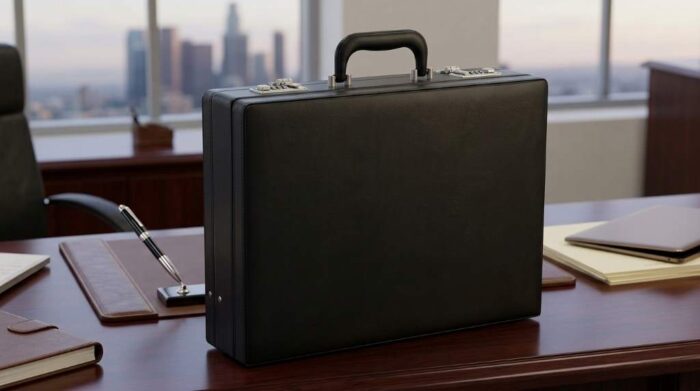
The Lorell Lys carrying case works well for documents, office materials, and routine professional use. However, its traditional attache design does not solve every protection problem. For example, frequent travelers face impacts that office focused cases may not handle well. Similarly, electronics need cushioning that keeps devices away from hard exterior surfaces.
Protection also means more than preventing unauthorized access. A lock can restrict access, while padding can reduce impact damage. Likewise, water resistance can protect contents when rain, spills, or wet luggage create unexpected problems.
Therefore, compare cases by protection needs instead of appearance alone. The strongest alternative depends on whether you carry documents, electronics, tools, equipment, or valuable personal items.
What Protects Better Than a Traditional Attache Case?
A rugged hard shell protective case generally provides stronger physical protection than a traditional attache case. Its rigid shell can resist crushing forces better during transportation. Meanwhile, foam inserts can prevent items from shifting inside the case.
For maximum protection, look for a case that combines several protective features. Ideally, the design should include a rigid shell, sealed edges, reinforced corners, secure latches, and custom padding.
- Hard shell construction for impact resistance
- Dense foam for shock absorption
- Water resistant or waterproof sealing
- Reinforced corners for drop protection
- Strong latches for reliable closure
- Custom compartments for stable organization
These features address weaknesses that appear when a case faces rough handling. More importantly, they work together instead of relying on one protective feature.
Best Alternatives for Different Protection Needs
1. Waterproof Hard Shell Cases
A waterproof hard shell case makes sense when moisture poses a serious threat. These cases protect contents from rain, splashes, spills, and damp storage conditions. They also provide stronger impact resistance than many traditional office cases.
Look for a gasketed lid and secure latches when water protection matters. A pressure equalization valve can also help when you travel between different elevations. Choose an interior foam system that matches the items you carry.
2. Aluminum Briefcases
An aluminum briefcase offers a strong middle ground between professional styling and physical protection. Its rigid metal shell can resist dents, crushing, and everyday handling better than soft materials.
However, aluminum does not automatically make a case waterproof or shockproof. Check the hinges, corners, latches, and interior padding before relying on one for valuable equipment.
This option works especially well for professionals carrying documents, equipment, samples, or compact electronics. It also maintains the formal appearance expected in business settings.
3. Heavy Duty Equipment Cases
Heavy duty equipment cases provide the highest protection for sensitive or expensive contents. Their thick shells and protective interiors handle demanding transportation conditions better than office focused cases.
Many models also support customizable foam interiors. That feature lets you create a tight fit around cameras, electronics, tools, instruments, or other fragile equipment.
Although these cases may look less traditional, protection becomes the priority when replacement costs matter. They suit field work, production environments, technical jobs, and frequent travel.
4. Padded Laptop Briefcases
A padded laptop briefcase can protect computers better than an attache case when portability matters. Dedicated laptop compartments keep devices separated from documents and other hard objects.
Look for thick padding around the bottom and sides. A suspended laptop compartment can provide another layer of protection against drops.
Water resistant fabric also helps during daily commuting. However, fabric protection usually cannot match a sealed hard shell during severe exposure.
5. Molded EVA Cases
Molded EVA cases offer lightweight protection for smaller electronics and specialized equipment. Their shaped interiors hold devices securely and reduce movement during transportation.
They work particularly well for cameras, handheld devices, accessories, and compact technical equipment. However, their usefulness depends heavily on the quality of the zipper, shell, and internal fit.
Protection Comparison: Lorell Lys vs Stronger Case Types
| Case Type | Impact Protection | Water Protection | Organization | Best Use |
|---|---|---|---|---|
| Traditional Attache | Moderate | Low | Excellent | Documents and meetings |
| Aluminum Briefcase | High | Moderate | Excellent | Business and equipment |
| Waterproof Hard Shell | Very High | Very High | Good | Travel and sensitive contents |
| Heavy Duty Equipment Case | Very High | Very High | Excellent | Professional equipment |
| Padded Laptop Briefcase | Moderate | Moderate | Excellent | Daily laptop travel |
| Molded EVA Case | High | Moderate | Good | Compact electronics |
This comparison shows why no single case works perfectly for every situation. The right option depends on the threats your contents face most often.
How to Select a More Protective Carrying Case
Start With the Contents
First, identify exactly what needs protection inside the case. Documents need organization, while electronics need cushioning and movement control.
Next, consider the replacement cost of those items. Expensive equipment deserves stronger protection than ordinary paperwork.
Evaluate the Exterior Shell
Inspect the shell before considering colors, pockets, or styling. A thick rigid shell usually handles crushing forces better than flexible construction.
Also examine the corners because they often receive direct impact during drops. Reinforced corners can reduce damage when the case lands awkwardly.
Check the Interior Padding
Strong exterior construction cannot protect contents without suitable interior cushioning. Look for dense foam that holds objects firmly without creating excessive pressure.
Customizable foam provides even better protection for irregular equipment. It also prevents accessories from striking the main item during movement.
Consider Water Resistance
Water exposure can damage documents, electronics, samples, and other sensitive materials quickly. Therefore, consider sealed construction when travel includes unpredictable weather or wet environments.
Do not confuse water resistant fabric with waterproof construction. A sealed hard case usually provides a stronger barrier against serious moisture exposure.
Inspect the Closure System
Reliable latches keep the case closed when someone drops or moves it. However, closure strength should support physical protection rather than replace it.
For valuable contents, consider cases with multiple latches and strong hinge construction. These features can reduce accidental opening during transportation.
Common Protection Mistakes Buyers Make
Many buyers focus heavily on locks while overlooking impact protection. That approach protects access but leaves the contents vulnerable to drops and crushing.
Another common mistake involves buying oversized cases. Extra space allows contents to move, which increases impact risk during transportation.
Buyers also sometimes rely on thin foam or loose dividers. Those materials organize contents, but they may provide limited shock absorption.
Finally, some people assume every hard case provides waterproof protection. Always inspect seals, latches, hinges, and product specifications before trusting a case around water.
How to Make Any Protective Case Safer
You can improve protection even after buying a suitable case. Start by fitting each item tightly without forcing it against the shell.
- Use custom foam around fragile equipment.
- Keep heavy items away from delicate components.
- Separate cables and accessories from sensitive surfaces.
- Fill unnecessary gaps to reduce internal movement.
- Inspect latches and hinges regularly.
- Keep moisture sensitive items inside protective sleeves.
Additionally, place heavier contents toward the strongest portion of the case. This simple arrangement can reduce pressure on fragile components during transportation.
Which Alternative Offers the Best Overall Protection?
For maximum protection, a waterproof hard shell equipment case usually offers the strongest overall solution. It combines impact resistance, moisture protection, secure closure, and interior cushioning.
For professional meetings, an aluminum briefcase may offer a better balance between protection and appearance. Meanwhile, laptop users may prefer a padded computer briefcase for lighter daily travel.
Therefore, do not replace the Lorell Lys carrying case simply because another case looks stronger. Replace it when your actual protection requirements exceed what your current case can reasonably provide.
When Should You Upgrade Your Current Case?
Consider upgrading when your case regularly travels through airports, vehicles, construction areas, or outdoor environments. Frequent handling increases the chance of impacts, crushing, scratches, and moisture exposure.
You should also upgrade when your contents become more valuable or fragile. Protection requirements should grow alongside the value and sensitivity of what you carry.
Visible cracks, damaged hinges, weak latches, and worn interiors also justify replacement. A compromised case can create risks even when the design originally offered strong protection.
Frequently Asked Questions
What protects better than the Lorell Lys carrying case?
A waterproof hard shell case with reinforced corners and protective foam generally provides stronger overall protection.
Is an aluminum briefcase stronger than the Lorell Lys case?
An aluminum briefcase can provide stronger impact resistance while maintaining a professional business appearance.
What case protects electronics best?
A waterproof hard shell case with custom foam usually provides excellent protection for sensitive electronics.
Does a combination lock protect against physical damage?
No, a combination lock controls access but does not prevent impact, crushing, or moisture damage.
Should documents use a waterproof case?
Yes, a waterproof case makes sense when documents face rain, spills, humidity, or unpredictable travel conditions.
Final Verdict
The Lorell Lys carrying case remains useful for organized office and document transport. However, stronger protection requires more than a rigid exterior and locking mechanism.
A waterproof hard shell case provides the best overall upgrade for demanding travel and sensitive contents. Alternatively, aluminum, EVA, or padded laptop cases can provide targeted protection for specific needs.
Before buying, identify your biggest risks, measure your contents, and compare shell strength, padding, sealing, and closure quality. Then choose the case that protects against your real-world threats instead of simply buying the most rugged-looking option.