A stress free morning starts the night before. Studies show that 73 percent of professionals feel rushed in the morning. Organizing your commuter bags can save you 20 minutes daily. Small changes make a big difference in your routine. A well packed bag sets the tone for a productive day.
Why Organizing Your Commuter Bag Matters
A cluttered bag leads to a cluttered mind. Losing items like keys or wallets adds unnecessary stress. An organized bag helps you find things quickly. It also prevents damage to your belongings. You will feel more in control of your day.
Professionals in New York often face unpredictable weather. A well organized bag ensures you are prepared for rain or shine. It also keeps your essentials safe from spills or damage. You will avoid the last minute scramble to find what you need. This small habit can improve your overall well being.
Essential Items to Include in Your Commuter Bag
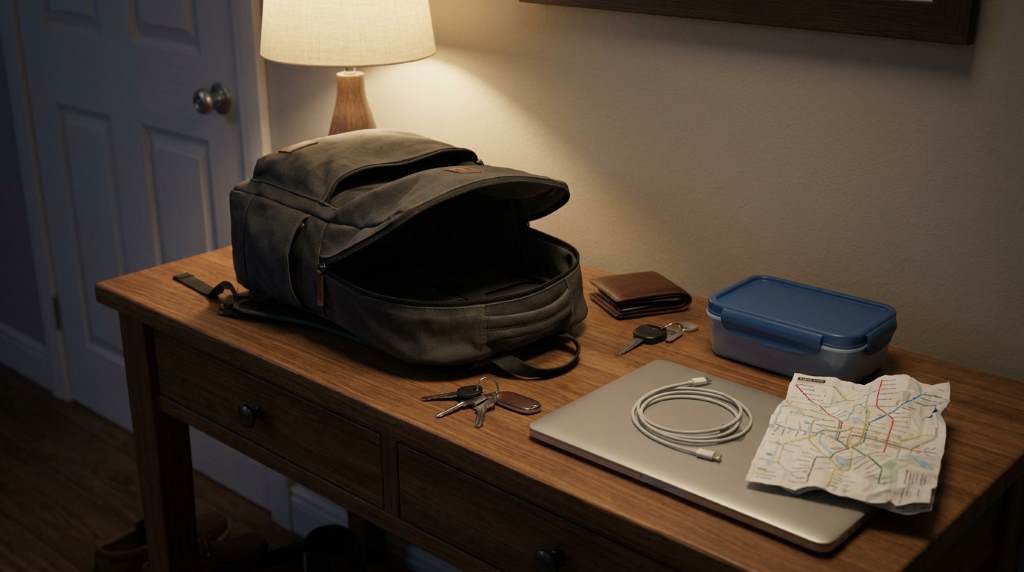
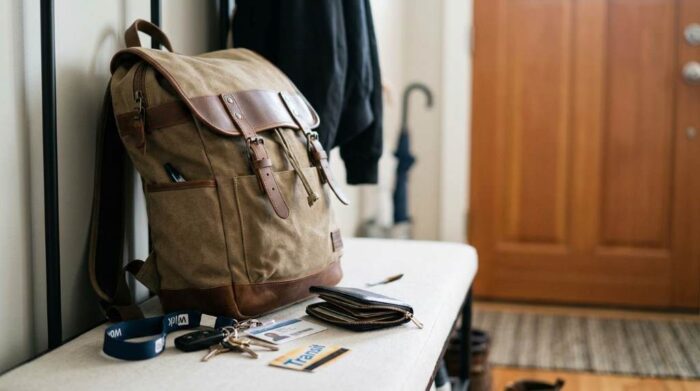
Start with the basics like your wallet keys and phone. Add a portable charger for emergencies. A reusable water bottle keeps you hydrated. Include a small umbrella for sudden rain showers.
A notebook and pen are useful for quick notes. Hand sanitizer and tissues are must haves for hygiene. Snacks like granola bars can save you from hunger. Headphones help you relax during your commute. These items cover most daily needs.
Choosing the Right Bag for Your Needs
A good commuter bag balances style and function. Look for durable materials that withstand daily use. Padded straps or handles add comfort. Multiple compartments help with organization.
Consider the size based on what you carry daily. A waterproof bag is ideal for rainy climates. Lightweight options reduce strain on your shoulders. Choose a design that fits your personal style. This makes carrying it a pleasure not a chore.
Backpacks vs Tote Bags vs Messenger Bags
Backpacks distribute weight evenly across your shoulders. They are great for carrying heavier items. Tote bags offer easy access to your belongings. They are stylish and spacious for everyday use.
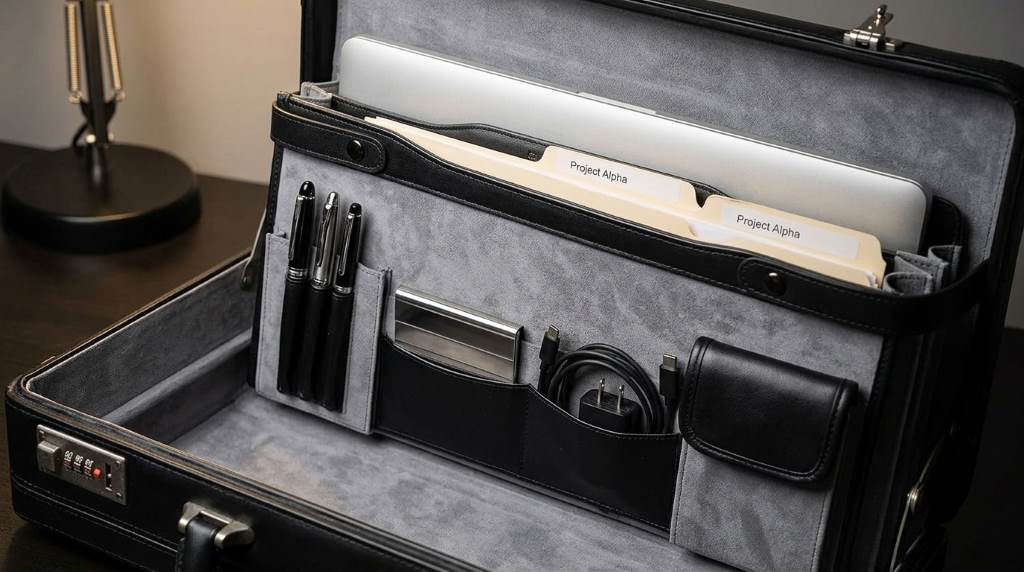
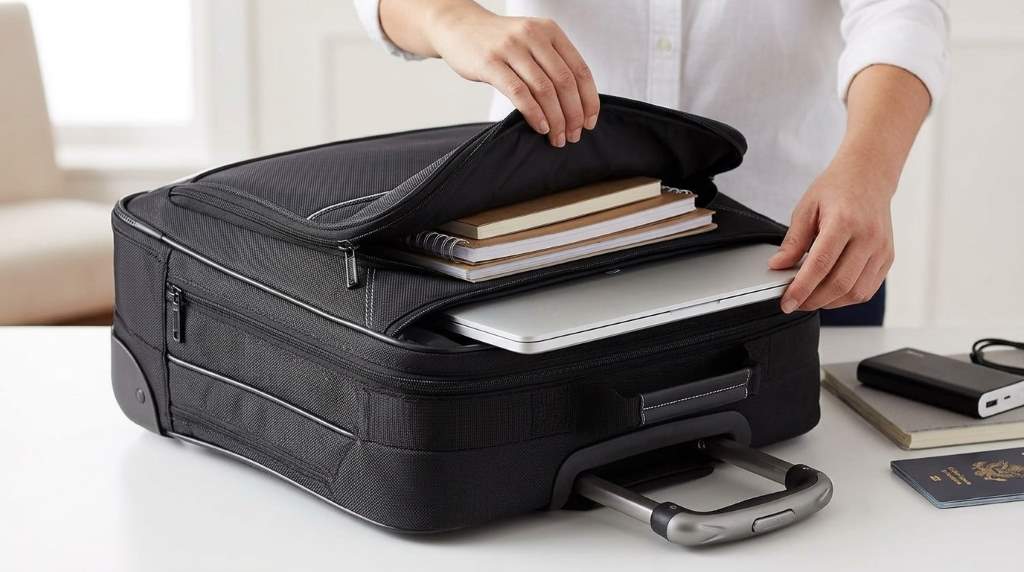
Messenger bags are sleek and professional. They are perfect for laptops and documents. Each type has its own advantages. Choose based on your daily needs and preferences. Comfort and accessibility should guide your decision.
Step by Step Guide to Organizing Your Commuter Bag
Step 1: Empty and Clean Your Bag
Start by removing everything from your bag. Check for any forgotten items or trash. Wipe down the interior and exterior with a damp cloth. This keeps your bag fresh and ready for use. A clean bag is easier to organize.
Step 2: Categorize Your Items
Group similar items together. Place electronics like chargers and headphones in one pouch. Keep writing tools like pens and notebooks in another. Use small bags for toiletries and hygiene products. This makes it easier to find what you need.
Step 3: Use Organizers and Pouches
Pouches and organizers keep items in place. Use them for small items like keys or lip balm. A dedicated pouch for cables prevents tangling. Clear pouches let you see contents at a glance. These tools maximize space and efficiency.
Step 4: Prioritize Accessibility
Place frequently used items in easy to reach pockets. Keep your phone wallet and keys within quick access. Less used items can go in deeper compartments. This saves time and reduces frustration. Think about your daily routine when arranging items.
Step 5: Secure Valuables
Use zipped pockets for valuables like cash or cards. Consider a bag with RFID blocking for extra security. Keep important documents in a separate sleeve. This protects your items from loss or theft. Security should never be overlooked.
Unique Tips for Different Climates
Hot and Humid Climates
Use a bag with breathable fabric to prevent sweat buildup. Pack a small towel or wipes for quick refreshes. A portable fan can be a lifesaver in extreme heat. Keep a reusable water bottle to stay hydrated. Light colors reflect heat and keep your bag cooler.
Cold and Rainy Climates
Opt for a waterproof bag to protect your belongings. Include a compact umbrella and rain cover. Gloves and a hat can be stored in outer pockets. A thermal flask keeps your drinks warm. Dark colors hide dirt and stains better.
Wind and Dusty Climates
Choose a bag with secure zippers and closures. Use dustproof covers for electronics. Pack a scarf or bandana to protect against dust. Sunglasses can shield your eyes from wind. Regularly clean your bag to remove dust buildup.
Maintaining Your Organized Commuter Bag
Spend five minutes each evening to reorganize your bag. Remove any trash or items you no longer need. Check for any missing items and restock as necessary. This habit keeps your bag clutter free. A quick review ensures you are ready for the next day.
Once a week do a deeper clean of your bag. Wipe down all compartments and check for wear and tear. Replace any damaged organizers or pouches. This extends the life of your bag. Regular maintenance prevents bigger issues later.
Common Mistakes to Avoid
Overpacking your bag can lead to discomfort and disorganization. Avoid throwing items in without a system. Ignoring weather conditions can damage your belongings. Not cleaning your bag regularly can cause odors. Forgetting to restock essentials can leave you unprepared.
Using a bag that does not fit your needs can be frustrating. Skipping the organization step saves time now but costs later. Not securing valuables can lead to loss or theft. Ignoring small repairs can result in bigger problems. Address these mistakes to keep your bag functional.
Real Life Examples of Well Organized Commuter Bags
Sarah a marketing manager in New York uses a backpack. She keeps her laptop in a padded sleeve. A front pocket holds her phone wallet and keys. Side pockets store her water bottle and umbrella. This setup keeps her organized and efficient.
John a teacher in Chicago prefers a tote bag. He uses pouches for grading pens and small supplies. A separate compartment holds his lunch and snacks. His bag is always ready for a busy school day. This system works perfectly for his needs.
How Organization Reduces Morning Stress
An organized bag means no last minute searches for items. You start your day feeling prepared and in control. This reduces anxiety and boosts confidence. A smooth morning sets a positive tone for the day. Small habits lead to big improvements in well being.
Knowing where everything is saves mental energy. You can focus on more important tasks. This leads to better productivity and less stress. An organized bag is a simple but powerful tool. It helps you face the day with calm and clarity.
FAQ
What is the best type of bag for commuting?
A backpack is ideal for carrying heavier items comfortably.
How often should I clean my commuter bag?
Aim to clean your bag thoroughly once a week.
What are the essential items to carry in a commuter bag?
Wallet keys phone charger water bottle and umbrella are must haves.
How can I prevent my bag from getting disorganized?
Use pouches and organizers to keep items in their designated places.
What should I do if my bag gets wet in the rain?
Use a waterproof bag or rain cover to protect your belongings.
Conclusion
Organizing your commuter bag is a simple but powerful habit. It saves time reduces stress and keeps you prepared. Start with the basics and build a system that works for you. Small changes can make a big difference in your daily routine. Take the first step today and enjoy a stress free morning tomorrow.
Spend 10 minutes tonight organizing your commuter bag. Share your tips and tricks in the comments below. Let us know how it improves your mornings.