

In the ever-evolving landscape of luxury fashion, certain names resonate with a timeless quality, transcending fleeting trends to become symbols of enduring style and craftsmanship. Celine, the Parisian fashion house founded in 1945, is undeniably one such name. While its contemporary creations under current creative direction continue to make waves, there’s a unique and potent magic surrounding vintage celine handbag. These are not merely pre-owned accessories; they are tangible pieces of fashion history, imbued with the distinct aesthetics of their eras and the quiet confidence that has become synonymous with the brand.
For discerning fashion lovers, collectors, and those seeking sustainable luxury, vintage Celine bags offer a compelling proposition. They represent an opportunity to own a piece crafted during pivotal moments in the house’s history, often showcasing design elements and signature motifs that tell a story. From the iconic Macadam canvas to the minimalist elegance of the Phoebe Philo era, exploring the world of vintage Celine is a journey into sophisticated design, exceptional quality, and an investment in truly timeless style. This article delves deep into the heritage, iconic designs, authentication nuances, and lasting appeal of these coveted accessories.
The Genesis of Celine: From Children’s Shoes to Parisian Chic
The story of Celine begins not with handbags, but with tiny shoes. In the aftermath of World War II, in 1945, Céline Vipiana and her husband, Richard, opened a boutique at 52 rue Malte in Paris. Their venture, ‘Céline, le bottier pour enfants,’ focused on high-quality, made-to-measure children’s footwear. It was a bold move in post-war Paris, but the quality and charm of their creations quickly garnered a loyal following among the Parisian elite. The brand’s first logo, a whimsical red elephant designed by artist Raymont Peynet, became a recognizable symbol of this early success.
Defining Eras: Creative Directors and Their Vintage Legacy
As the brand flourished, its focus evolved. By the 1960s, Celine expanded into women’s ready-to-wear, accessories, and fragrances, embracing a “sportswear chic” aesthetic that resonated with modern women seeking practical elegance. Céline Vipiana herself remained the chief designer until 1988, laying the foundation for the brand’s core identity. However, the distinct character of vintage Celine bags is often best understood through the lens of its key creative periods and the visionary designers who shaped them.
The Vipiana Vision: Early Icons and Signature Motifs
The foundational years under Madame Vipiana established Celine’s reputation for quality leather goods and introduced enduring brand symbols.
- The American Sulky: Launched in 1964, this collection of accessories gained significant popularity and cemented the brand’s move into leather goods. The name itself evoked a sense of sporty elegance.
- The Horse Carriage Clasp: One of the most recognizable vintage Celine motifs is the elegant horse-drawn carriage, often rendered in gold-tone hardware as a clasp or decorative element on leather bags from the 1970s and 80s. These Celine Horse Carriage bags, often structured shoulder bags or top-handle styles in smooth calfskin, exude a classic, equestrian-inspired charm. While specific model names aren’t widely standardized, they are typically identified by this distinctive hardware.
- The Arc de Triomphe ‘C’ Blason (Sulky Canvas): Legend has it that in 1973, after her car broke down on Paris’s Place de l’Étoile, Céline Vipiana was inspired by the interlocking ‘C’ chain motif surrounding the Arc de Triomphe. This led to the creation of the ‘C’ Sulky canvas, often referred to as the Blason motif, which became a signature pattern for the house, predating the later, more common Macadam print. This intertwined ‘C’ logo became synonymous with Celine’s 70s expansion.
Michael Kors’ American Glamour (1997-2004): The Boogie Bag Era
Following the brand’s full integration into the LVMH group in 1996, American designer Michael Kors took the creative helm in 1997. Kors injected a dose of accessible, jet-set glamour into the Parisian house. While maintaining a focus on luxurious materials, his tenure brought a slightly more overt, statement-making sensibility.
- The Boogie Bag: Perhaps the most defining Celine bag of the Kors era, the Celine Boogie Bag, launched in the early 2000s, became an instant ‘It’ bag. Characterized by its rectangular, slightly slouchy shape, open top, double handles, and often featuring exterior side pockets and subtle hardware details, the Boogie was practical yet chic. It came in various leathers, suedes, and occasionally the Macadam canvas, embodying the easy luxury Kors championed. Finding a Boogie bag today offers a snapshot of early 2000s luxury.
Phoebe Philo’s Minimalist Revolution (2008-2018): The ‘Old Celine’ Phenomenon
The appointment of British designer Phoebe Philo in 2008 marked a transformative era for Celine, ushering in a period of unparalleled critical acclaim and commercial success. Philo redefined modern luxury with her intelligent, minimalist aesthetic, focusing on impeccable tailoring, luxurious materials, and designs that catered to the modern woman’s life. This era is now affectionately referred to by devotees as ‘Old Celine,’ distinct from the subsequent direction under Hedi Slimane (‘New Celine’). Philo’s bags became instant icons, desired for their blend of functionality, understated elegance, and ‘if you know, you know’ appeal. While technically not ‘vintage’ in the strictest sense (usually pre-dating 20 years), many early Philo designs are now highly sought-after on the secondary market and often categorized alongside vintage pieces due to their iconic status and the distinct shift in brand aesthetic after her departure.
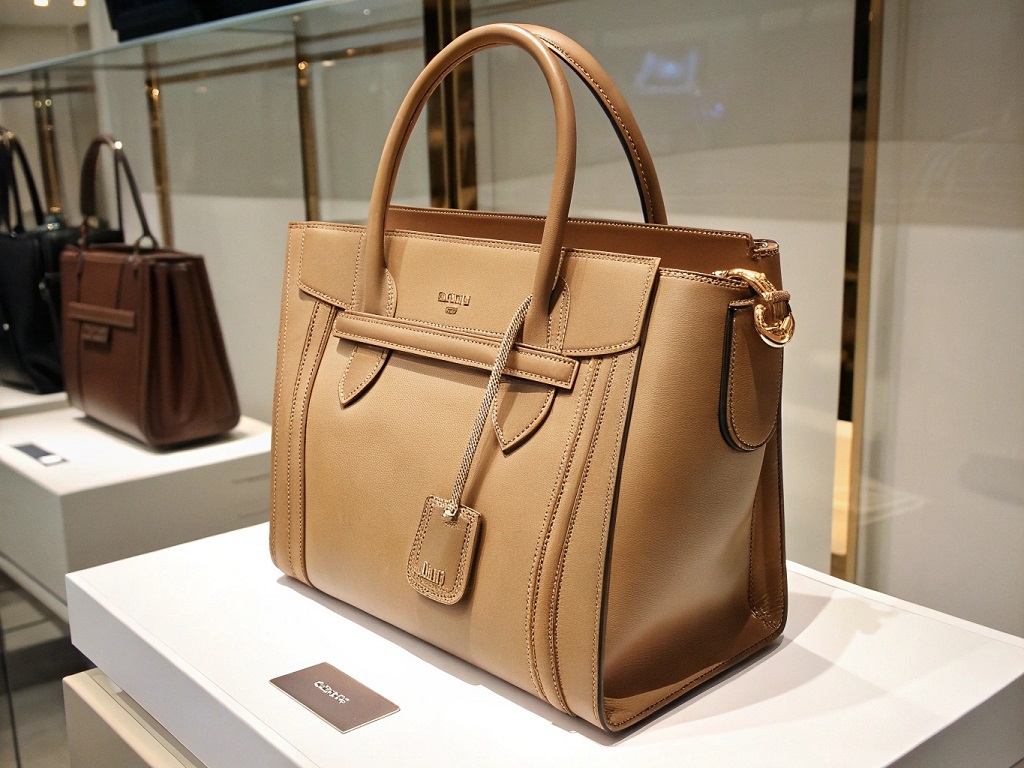
- Key Philo-Era Bags (Now Coveted Pre-Owned): The Luggage Tote (introduced Spring 2010) with its distinctive winged silhouette, the sleek and structured Classic Box Bag (a modern interpretation of a house classic), the versatile Trapeze Bag with its contrasting side panels, the practical Cabas Tote, and the minimalist Trio Bag are all hallmarks of Philo’s tenure. Owning one of these pieces is like holding a piece of modern fashion history.
Unpacking the Icons: Celebrated Vintage Celine Bags
Beyond the specific eras, certain designs stand out as quintessential vintage Celine finds.
The Enduring Macadam Canvas
Perhaps the most instantly recognizable vintage Celine signature is the Macadam print. Often confused with the earlier ‘C’ Blason/Sulky canvas, the Macadam pattern features smaller, more densely packed Triomphe logos interspersed with dots, typically rendered in brown or beige tones on coated canvas with leather trim. Popular from the late 1970s through the 1990s, Macadam canvas was used across a vast range of styles – Boston bags, shoulder bags, totes, crossbody bags, wallets, and travel pieces. Its durability and distinctive look make vintage Celine Macadam bags a popular entry point for collectors. Their value varies depending on the bag style, condition, and rarity, but they remain relatively accessible compared to full leather vintage pieces.
The Timeless Box Bag
While Phoebe Philo revitalized the Celine Box Bag into a modern icon in 2011, the original concept dates back much earlier. Vintage Celine Box bags, often from the 1970s or 80s, share the structured, rectangular silhouette and flap closure but often feature different hardware, like the Horse Carriage clasp or simpler logo plaques. Crafted typically in smooth, sturdy box calfskin, these vintage iterations possess a beautiful patina potential and a truly classic feel. They represent the brand’s long-standing commitment to clean lines and functional elegance.
The Charming Sulky & Horse Carriage Bags
As mentioned earlier, bags featuring the Sulky logo (the horse and cart, distinct from the ‘C’ Sulky canvas) or the prominent Horse Carriage clasp are highly representative of Celine’s 1970s and 80s aesthetic. These motifs often adorned structured leather shoulder bags and clutches, reflecting a refined, somewhat aristocratic sensibility popular during that period. They are less common than Macadam pieces and highly sought after by collectors for their unique vintage charm.
The Beloved Boogie Bag
Representing the Michael Kors era, the Boogie Bag remains a nostalgic favorite. Its easy structure and practical design made it a workhorse bag for many in the early aughts. Finding one in good condition, especially in desirable leather finishes, is a nod to that specific moment in fashion history where luxury felt a bit more relaxed and overtly branded logos took a backseat to recognizable silhouettes.
Early Philo Gems (Luggage, Trapeze, etc.)
While recent, the first iterations of Philo’s blockbuster hits like the Luggage Tote, Trapeze, and Classic Box are rapidly becoming collector’s items. These early examples represent the beginning of a seismic shift in fashion towards minimalist luxury. Their enduring designs ensure they remain relevant and highly desirable in the pre-owned market, blurring the lines between contemporary resale and ‘vintage’ collecting.
The Hallmarks of Quality: Materials and Craftsmanship in Vintage Celine
One of the primary draws of vintage Celine is the exceptional quality inherent in pieces from past decades. The house has always prioritized luxurious materials and meticulous construction.
- Leather: Vintage Celine bags often feature high-quality calfskin (smooth box calf, grained calfskin), durable pigskin linings in some older models, and occasionally exotic skins. The leather used tends to be substantial, developing a beautiful patina over time with proper care.
- Canvas: The Macadam and earlier Sulky (‘C’ Blason) canvases were typically coated for durability and water resistance, trimmed with quality leather that ages gracefully.
- Hardware: Hardware on vintage Celine pieces is generally substantial and well-crafted. Look for clear engravings (e.g., “CELINE PARIS,” “Made in Italy”), smooth zipper function (often using respected manufacturers like Eclair or Lampo on older pieces), and clasps that operate securely. The gold-tone plating was often thick and durable, although wear is expected on vintage items.
- Construction: Stitching on authentic vintage Celine is typically neat, even, and robust. Linings are well-fitted, and the overall structure of the bag, even in softer styles, feels solid and well-made.
A Savvy Shopper’s Guide: Authenticating Your Vintage Celine
As with any desirable luxury brand, the market for vintage Celine is unfortunately populated with counterfeits. Knowing how to spot the key markers of authenticity is crucial. While professional authentication is always recommended for high-value purchases, here are some key areas to examine:
Decoding Date Codes (and Why They Aren’t Serial Numbers)
Most Celine bags made from the 1980s onwards feature a date code, typically embossed on a leather tab inside the bag or directly onto the lining. It’s crucial to understand these are date codes, not unique serial numbers. The same code can appear on multiple bags.
- Common Format: The most frequent format is X-XX-#### (one letter, two letters, four numbers) or occasionally XX-XX-####.
- What it Means: The letters generally indicate the factory location. The numbers indicate the production time: typically, the first and third digits represent the week, and the second and fourth digits represent the year (e.g., S-CE-3196 could indicate the 39th week of 2016). Older bags might have different or less consistent formats, and some very early vintage pieces may lack a date code altogether.
- Consistency is Key: The font, embossing depth, and placement should look consistent with other Celine bags from the same approximate era. Variations exist, but sloppy or incorrect formats are red flags.
Scrutinizing the Details
Authentication goes beyond the date code. Pay close attention to:
- Stitching: Authentic Celine stitching is precise, even, and straight, with consistent spacing. Sloppy, uneven, or loose threads are warning signs.
- Logos & Branding: Examine the ‘CELINE’ logo stamp (inside or outside). The font should be correct for the era. Until September 2018, the logo featured an accent: ‘CÉLINE’. The quality of the heat stamp or embossing should be crisp and clean, not blurry or shallow. Compare it to known authentic examples.
- Hardware: Check the weight, finish, and engravings on zippers, clasps, studs, and strap attachments. Engravings like “CELINE” or “CELINE PARIS” should be sharp and well-defined. Zippers should run smoothly.
- Lining: Interior linings (often leather, suede, or durable textile in vintage pieces) should be neatly finished and high-quality.
- Overall Quality: Authentic Celine bags, even vintage ones, have a substantial feel. The leather should feel luxurious, the construction solid. Flimsy materials, poor structure, or a lightweight feel can indicate a fake.
Investment or Indulgence? The Value of Vintage Celine in 2025
Are vintage Celine bags a good investment? The answer, particularly as of early 2025, leans strongly towards yes, especially for certain models and eras.
- Philo-Era Power: Bags from the Phoebe Philo era continue to hold, and often increase, their value significantly. The demand for ‘Old Celine’ remains incredibly high among fashion enthusiasts, driving prices up in the resale market. Early Luggage Totes, Classic Box bags, and Trapeze bags in good condition are particularly strong investments.
- Iconic Vintage: Well-preserved examples of classic vintage styles like Horse Carriage clasp bags, Sulky logo bags, and desirable Box bags from the 70s/80s are appreciating as collectors seek out unique pieces of the brand’s heritage.
- Macadam & Boogie: While generally more accessible, Macadam canvas bags and Boogie bags in excellent condition are also seeing steady demand, particularly rarer colorways or styles.
- Factors Influencing Value: Condition is paramount. Rarity, specific model popularity (e.g., the Classic Box vs. a more obscure style), the era (Philo-era generally commands a premium), and overall market trends all play a role.
- Beyond Monetary Value: Even if not purely for financial gain, investing in a vintage Celine bag is an investment in enduring style, quality craftsmanship, and sustainable fashion. It’s a piece you can wear and cherish for years, potentially passing it down.
Where to Find Your Treasure: Sourcing Authentic Vintage Celine
Acquiring an authentic vintage Celine bag requires navigating the pre-owned market carefully. Stick to reputable sources:
- Curated Online Platforms: Websites like Vestiaire Collective, Fashionphile, The RealReal, Rebag, and specialized vintage retailers like A Retro Tale vet items for authenticity and condition. They offer buyer protection, which is crucial.
- Reputable Consignment Stores: High-end brick-and-mortar consignment shops often have a curated selection of vintage designer bags and experienced staff.
- Auction Houses: Major auction houses occasionally feature rare vintage Celine pieces in their luxury accessory sales.
- Marketplaces (Use Caution): Platforms like eBay and Etsy can yield finds, but diligence is essential. Scrutinize seller reviews, demand detailed photos (including date codes, logos, hardware), ask questions, and ideally look for sellers who offer returns or authenticity guarantees. Always pay via secure methods that offer buyer protection.
Things to Watch Out For: Be wary of prices that seem too good to be true, sellers with poor or no reviews, blurry photos, or vague descriptions. Always compare listings to known authentic examples.
Weaving Vintage into Modern Style: How to Wear Your Celine Bag Today
The beauty of vintage Celine lies in its versatility. These bags effortlessly bridge the gap between past and present.
- Macadam Moment: Let a Macadam print bag be the focal point against a minimalist outfit (e.g., tailored trousers and a crisp white shirt or a simple black dress). The classic pattern adds texture and interest without overwhelming.
- Structured Elegance: A vintage Box Bag or Horse Carriage bag pairs beautifully with both sharp tailoring (blazers, wide-leg pants) and softer silhouettes (midi skirts, silk blouses), adding instant polish.
- Casual Chic: A vintage Celine crossbody or shoulder bag works perfectly for everyday wear with high-quality denim, a cashmere sweater, and classic loafers or sneakers.
- Unexpected Edge: Contrast the inherent elegance of a vintage Celine bag with slightly edgier pieces like a leather jacket or contemporary chunky boots for a modern high-low mix.
- Let It Shine: Often, the best way to style a beautiful vintage piece is to keep the rest of the outfit relatively simple and let the bag’s character and craftsmanship take center stage.
Read More Also: From Paris with Love: An In-Depth History of Chloé’s Iconic Handbags
People Also Ask (FAQs)
Q: Are vintage Celine bags worth the money?
A: Yes, generally. They offer exceptional craftsmanship, timeless design, and hold their value well, particularly sought-after models from key eras like Phoebe Philo’s tenure or iconic vintage styles in good condition. They are considered a solid investment in both style and potential appreciation.
Q: How can I tell if my vintage Celine bag is real?
A: Examine the stitching (should be even and precise), logo font and placement (check for era consistency, including the accent on ‘CÉLINE’ pre-2018), hardware quality and engravings, leather quality, and the date code format (though remember it’s not a unique serial number). If in doubt, use a professional authentication service.
Q: Do all vintage Celine bags have date codes?
A: Most Celine bags from the 1980s onward do, but very early vintage pieces (pre-80s) may not. The format has also varied slightly over time. The presence and correct format of a date code are good indicators, but authentication relies on assessing the bag holistically.
Q: What is the difference between ‘Old Celine’ and ‘New Celine’?
A: ‘Old Celine’ refers to the era when Phoebe Philo was Creative Director (2008-2018), characterized by minimalist, intellectual, and female-centric designs. ‘New Celine’ refers to the era under Hedi Slimane (2018-2024) and subsequent designers, which often incorporates a different aesthetic, including the prominent revival of the Triomphe logo and sometimes a younger, edgier feel.
Q: What is the Celine Macadam print?
A: It’s a signature Celine canvas pattern, popular from the late 70s to 90s, featuring a dense arrangement of the Triomphe logo (often in brown or beige) on coated canvas, usually trimmed with leather.
Q: Where is the best place to buy authentic vintage Celine bags?
A: Reputable online luxury consignment platforms (like Vestiaire Collective, Fashionphile, The RealReal), high-end physical consignment stores, and specialized vintage retailers are the safest options, as they typically authenticate items.
Discover More: Finding Your Trail Companion: The Ultimate Guide to the Best Budget Sleeping Bag for Backpacking (2025)
Conclusion: The Enduring Magic of Vintage Celine
Owning a vintage Celine bag is more than just acquiring a luxury accessory; it’s about connecting with a legacy of Parisian chic, appreciating enduring craftsmanship, and making a sustainable style choice. Each bag, whether a Macadam tote bearing the marks of decades past, a structured Horse Carriage bag exuding 70s elegance, or a coveted early Philo piece, tells a story. They are testaments to the idea that true style is timeless, transcending seasons and trends.
In a world saturated with fast fashion, the allure of vintage Celine lies in its quiet confidence, its tangible quality, and its ability to elevate any wardrobe with an air of understated sophistication. Whether you’re a seasoned collector or just beginning your journey into the world of vintage luxury, a Celine bag from a bygone era is a treasure worth seeking – an investment not just in fashion, but in lasting elegance.


