
In the world of fashion, trends come and go, but certain pieces transcend fleeting fads and become timeless classics. Investment bags fall squarely into this category. These are not just accessories; they are wearable works of art, crafted with meticulous attention to detail and designed to last a lifetime. More than just a bag classic styles fashion statement, investment bags are a smart financial decision, often appreciating in value over time.
This comprehensive guide delves into the world of investment bag classic styles, exploring the iconic designs, the heritage brands, and the factors that contribute to their enduring appeal. Whether you’re a seasoned collector or a curious newcomer, this article will equip you with the knowledge to navigate the exciting world of luxury handbags.
What Makes a Bag an Investment?
Before we dive into specific styles, let’s understand what elevates a bag from a simple accessory to an investment piece. Several key factors contribute to a bag’s investment potential:
- Brand Heritage and Craftsmanship: Investment bags are typically produced by renowned fashion houses with a rich history of craftsmanship and expertise. Brands like Hermès, Chanel, and Dior have established themselves as purveyors of luxury, with decades of experience in creating exquisite handbags. The meticulous craftsmanship, attention to detail, and use of high-quality materials are hallmarks of investment bags.
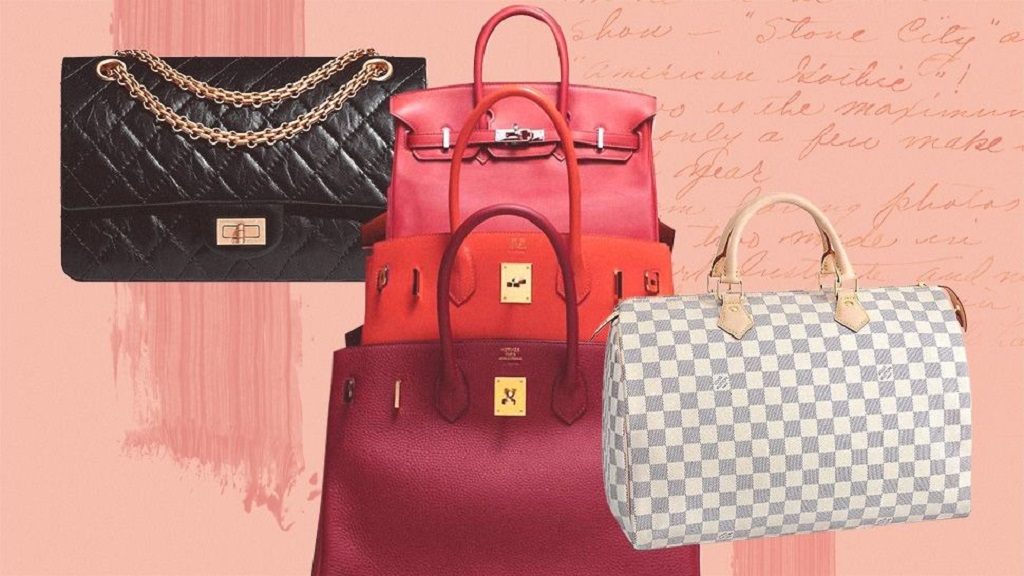
- Timeless Design: Classic investment bags transcend trends. They possess a timeless elegance that remains relevant across seasons and years. Think of the iconic Chanel 2.55 flap bag or the Hermès Kelly; these designs have remained largely unchanged for decades, proving their enduring appeal.
- Exclusivity and Limited Production: Scarcity often drives desirability. Many investment bags are produced in limited quantities, have long waiting lists, or require specific qualifications to purchase. This exclusivity adds to their allure and contributes to their value appreciation.
- Resale Value: Investment bags often hold their value remarkably well, and in some cases, even appreciate over time. This is due to a combination of factors, including brand reputation, limited production, and enduring popularity.
Classic Investment Bag Styles:
Now that we understand the characteristics of an investment bag, let’s explore some of the most iconic and sought-after styles:
-
Hermès Kelly:
- History: Originally designed in 1935, the Kelly bag was renamed in 1956 after Grace Kelly, Princess of Monaco, famously used it to shield her pregnancy from the paparazzi.
- Design: A structured, trapezoidal shape with a top handle, a flap closure, and a padlock. It’s crafted from premium leather and features meticulous saddle stitching.
- Why it’s an investment: The Kelly is the epitome of timeless elegance and exclusivity. Its handcrafted production, limited availability, and association with royalty contribute to its high resale value.
-
Hermès Birkin:
- History: Created in 1984 for actress Jane Birkin, who complained to Jean-Louis Dumas, then-CEO of Hermès, about the lack of a spacious and stylish bag.
- Design: A larger, more casual version of the Kelly, with two top handles and a flap closure. It comes in various sizes and leathers.
- Why it’s an investment: The Birkin is arguably the most coveted handbag in the world. Its exclusivity, long waiting lists, and association with celebrities have made it a status symbol and a sound investment.
-
Chanel 2.55 Flap Bag:
- History: Designed by Coco Chanel herself in February 1955 (hence the name), this bag revolutionized handbag design with its shoulder strap, allowing women to carry their belongings hands-free.
- Design: A rectangular quilted leather bag with a chain strap interwoven with leather, a flap closure with the iconic double C turnlock, and a burgundy leather lining.
- Why it’s an investment: The 2.55 is a timeless symbol of elegance and sophistication. Its iconic design, association with Chanel’s legacy, and consistent price increases ensure its investment potential.
-
Chanel Classic Flap Bag:
- History: Introduced by Karl Lagerfeld in the 1980s, this is a reinterpretation of the 2.55 with a few key differences.
- Design: Similar to the 2.55 but features a leather-interwoven chain strap and the CC turnlock.
- Why it’s an investment: The Classic Flap is a more contemporary take on the 2.55, offering a similar level of luxury and investment potential.
-
Dior Lady Dior:
- History: Launched in 1995 and famously carried by Princess Diana, it quickly became a symbol of elegance and sophistication.
- Design: A structured, boxy bag with Dior’s signature Cannage stitching, featuring top handles and a detachable shoulder strap.
- Why it’s an investment: The Lady Dior’s association with royalty, timeless design, and Dior’s heritage make it a desirable and valuable investment piece.
-
Louis Vuitton Speedy:
- History: Created in the 1930s as a smaller version of the Keepall travel bag, the Speedy was originally called the “Express.”
- Design: A classic duffel bag shape with Louis Vuitton’s iconic monogram canvas, top handles, and a zipper closure.
- Why it’s an investment: The Speedy is a versatile and durable everyday bag. Its enduring popularity, recognizable design, and Louis Vuitton’s brand recognition contribute to its resale value.
-
Louis Vuitton Neverfull:
- History: Introduced in 2007, the Neverfull quickly became one of Louis Vuitton’s most popular styles.
- Design: A spacious tote bag with the monogram canvas, natural cowhide trim, and thin shoulder straps.
- Why it’s an investment: The Neverfull’s practicality, durability, and timeless design make it a popular choice for everyday use. Its high demand and Louis Vuitton’s brand value contribute to its investment potential.
-
Gucci Marmont:
- History: Relaunched by Alessandro Michele in 2016, the Marmont bag draws inspiration from Gucci’s archives.
- Design: Characterized by the GG Marmont logo, a matelassé chevron leather design, and a chain strap. It comes in various styles, including shoulder bags, camera bags, and mini bags.
- Why it’s an investment: The Marmont bag blends vintage inspiration with contemporary appeal. Its recognizable design, association with Gucci’s resurgence, and versatility make it a desirable investment piece.
-
Bottega Veneta Cassette:
- History: Introduced by Daniel Lee in 2019, the Cassette bag quickly became a modern classic.
- Design: Features Bottega Veneta’s signature Intrecciato weave, a padded cassette shape, and a thick shoulder strap.
- Why it’s an investment: The Cassette bag represents a new era for Bottega Veneta, combining exquisite craftsmanship with a contemporary aesthetic. Its distinctive design and popularity among fashion influencers contribute to its investment potential.
-
Fendi Baguette:
- History: Created by Silvia Venturini Fendi in 1997, the Baguette was one of the first “It bags” and gained popularity through its appearance in Sex and the City.
- Design: A small, rectangular shoulder bag with a short strap, often featuring the FF logo or embellished with unique designs.
- Why it’s an investment: The Baguette’s iconic status, association with pop culture, and Fendi’s craftsmanship make it a collectible and valuable investment.
Factors to Consider When Investing in a Bag:
- Condition: The condition of a bag significantly impacts its value. Look for bags in excellent condition, with minimal signs of wear and tear.
- Authenticity: Ensure the bag is authentic. Counterfeit bags are prevalent, so purchase from reputable sellers or authenticate the bag before buying.
- Rarity: Limited edition or rare bags often command higher prices.
- Personal Style: Choose a bag that aligns with your personal style and lifestyle. An investment bag should be something you’ll enjoy using for years to come.
- Budget: Set a realistic budget and research prices before making a purchase.
Where to Buy Investment Bags:
- Brand Boutiques: Buying directly from the brand guarantees authenticity and offers the latest collections.
- Authorized Retailers: Department stores and luxury retailers often carry a selection of investment bags.
- Resale Websites: Reputable resale websites like Fashionphile, The RealReal, and Vestiaire Collective offer authenticated pre-owned bags at various price points.
- Consignment Stores: Luxury consignment stores can be a great source for finding unique and vintage investment bags.
- Auctions: Auction houses like Sotheby’s and Christie’s occasionally auction rare and collectible handbags.
Caring for Your Investment Bag:
Proper care and maintenance are essential to preserve the beauty and value of your investment bag:
- Storage: Store your bag in its dust bag when not in use, and stuff it with tissue paper to maintain its shape.
- Cleaning: Use a soft, damp cloth to wipe away any dirt or stains. Avoid harsh chemicals or abrasive cleaners.
- Protection: Apply a leather protectant spray to prevent water damage and stains.
- Repairs: If your bag needs repair, take it to a professional specializing in luxury handbag restoration.
The Future of Investment Bags:
The market for investment bags continues to evolve, with new designers and styles emerging. However, the classic styles discussed in this guide are likely to remain sought-after for their timeless appeal and enduring value. As the demand for luxury goods grows, investing in a classic handbag can be a smart financial decision and a way to own a piece of fashion history.
Read More Also: Top Features of the Student Budget Friendly Bag of the Month
Conclusion:
Investment bags are more than just accessories; they are symbols of luxury, craftsmanship, and timeless style. By understanding the factors that contribute to their value and choosing styles that resonate with your personal aesthetic, you can build a collection of cherished pieces that will stand the test of time. Whether you’re drawn to the elegant simplicity of the Hermès Kelly or the iconic quilted design of the Chanel 2.55, investing in a classic handbag is an investment in style, quality, and enduring value.
Popular FAQs:
-
What is the most expensive handbag in the world?
The most expensive handbag ever sold at auction is the Hermès Himalaya Birkin, crafted from Niloticus crocodile hide with diamond hardware. It fetched a record-breaking price of over $500,000.
-
Why are Hermès bags so expensive?
Hermès bags are renowned for their exceptional quality, craftsmanship, and exclusivity. Each bag is handcrafted by a single artisan using premium materials, and production is limited, contributing to their high price tag.
-
How do I authenticate a designer bag?
Several methods can help authenticate a designer bag:
- Examine the craftsmanship: Look for meticulous stitching, high-quality materials, and attention to detail.
- Check the hardware: Authentic bags have high-quality hardware with precise engravings.
- Review the date code: Many designer bags have a date code that indicates the year and location of manufacture.
- Consult an expert: If you’re unsure, consult a professional authentication service.
-
How often do designer bags increase in price?
The frequency of price increases varies by brand and style. However, luxury brands often increase prices annually to account for inflation and rising production costs.
-
Is it better to buy a new or pre-owned investment bag?
Both options have their advantages. Buying new guarantees authenticity and allows you to choose from the latest collections. However, pre-owned bags can offer significant savings and access to rare or discontinued styles.
-
What are some emerging investment bag brands to watch?
Some emerging brands with the potential to become future classics include:
- Moynat: A historic Parisian trunk maker experiencing a resurgence.
- Delvaux: A Belgian luxury leather goods brand known for its timeless designs.
- Valextra: An Italian brand specializing in minimalist and functional leather goods.
-
How can I protect my investment bag from damage?
Proper storage, regular cleaning, and the use of protective sprays can help preserve your bag’s condition. Avoid overfilling your bag or exposing it to extreme temperatures or moisture.
-
Can I get my investment bag repaired?
Yes, many professional services specialize in repairing and restoring luxury handbags. They can replace hardware, repair stitching, and restore leather.
-
What is the best way to sell my investment bag?
Several options exist for selling your investment bag:
- Resale websites: Offer a convenient platform to reach a wide audience.
- Consignment stores: Handle the selling process for you but take a commission.
- Auctions: Can achieve high prices for rare or collectible bags.
- Private sale: Allows you to control the selling process but requires more effort.
-
Are investment bags a good investment?
While there’s no guarantee of profit, investment bags have historically held their value well and, in some cases, appreciated significantly. Factors like brand reputation, exclusivity, and condition play a crucial role in determining a bag’s investment potential.
By carefully considering these factors and choosing classic styles with enduring appeal, you can build a collection of investment bags that bring both joy and potential financial return.
Read More: 10 Timeless Investment Bag Classic Styles That Hold Value Over Time