
When shopping for a leather laptop bag, you face an important choice. Should you invest in a handcrafted piece or opt for a factory-made option? This decision impacts not only your wallet but also the quality, longevity, and style of your bag. Understanding the key differences between these two manufacturing methods helps you make an informed purchase that aligns with your needs and values.
What Makes Handcrafted Leather Bags Special
Handcrafted leather bags represent traditional artisanship at its finest. Skilled craftspeople create each bag individually, paying attention to every stitch and detail. These artisans typically spend years mastering their craft, learning techniques passed down through generations.
The production process involves selecting premium leather hides, cutting patterns by hand, and assembling pieces using time-tested methods. Each bag receives individual attention throughout its creation. Therefore, no two handcrafted bags are exactly alike, even when made from the same pattern.
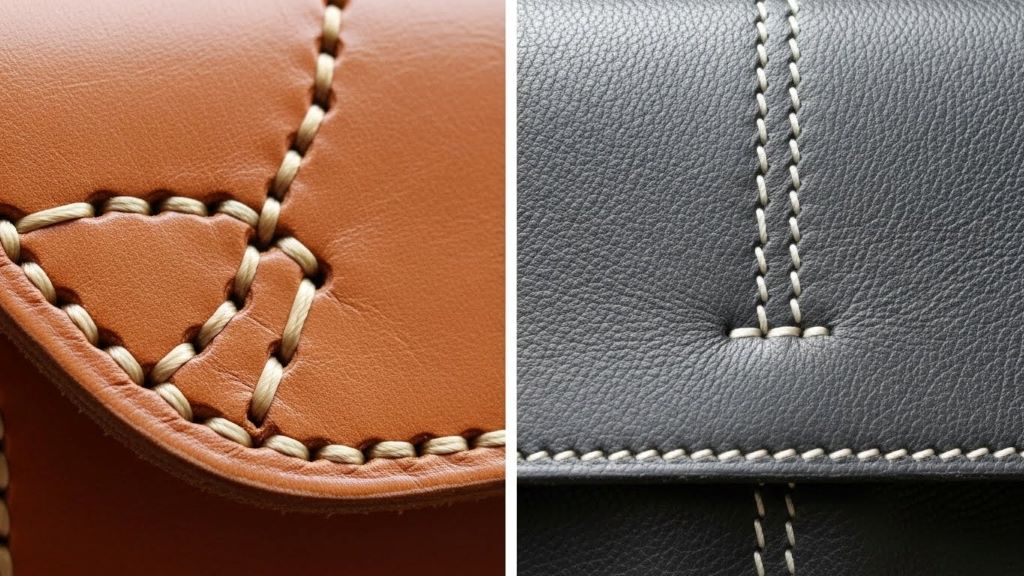
Moreover, handcrafted bags often feature superior construction techniques. Saddle stitching, for example, creates stronger seams than machine stitching. If one stitch breaks, the others remain intact, maintaining the bag’s integrity.
Understanding Factory-Made Production Methods
Factory-made leather bags follow standardized production processes. Manufacturers use machines and assembly lines to produce large quantities efficiently. This approach prioritizes consistency and speed over individual attention.
The production involves automated cutting machines, industrial sewing equipment, and streamlined workflows. Workers typically specialize in specific tasks rather than creating entire bags themselves. Consequently, factories can produce hundreds or thousands of bags in the time it takes to handcraft a single piece.
However, this efficiency comes with trade-offs. Factory production often uses lower-grade leather and synthetic materials to reduce costs. The focus remains on meeting production quotas rather than achieving exceptional quality in each piece.
Quality Differences You Can See and Feel
The quality gap between handcrafted and factory-made bags becomes apparent upon close inspection. Handcrafted bags typically use full-grain leather, which represents the highest quality available. This leather retains the hide’s natural grain, making each bag unique with its own character marks.
Factory-made bags often use corrected-grain or bonded leather instead. Manufacturers sand away imperfections and apply artificial grain patterns to these materials. While this creates a uniform appearance, it compromises durability and authenticity.
Additionally, stitching quality differs significantly. Handcrafted bags feature even, tight stitches that demonstrate careful workmanship. Factory bags may have irregular stitching, loose threads, or skipped stitches that weaken structural integrity.
The hardware quality also varies considerably. Handcrafted bags generally incorporate solid brass or stainless steel components that resist corrosion. Factory alternatives frequently use plated metals that wear quickly with regular use.
Price Points and Value Considerations
Handcrafted leather laptop bags command higher prices, typically ranging from $300 to $1,000 or more. This reflects the time investment, skill level, and premium materials involved. Each bag might require 10 to 20 hours of skilled labor to complete.
Factory-made bags cost significantly less, usually between $50 and $300. Mass production and cheaper materials enable these lower price points. However, lower initial costs don’t always mean better value.
When considering long-term value, handcrafted bags often prove more economical. They last decades with proper care, developing attractive patinas over time. According to Forbes, investing in quality leather goods can provide returns through longevity and timeless style.
Factory-made bags typically last only a few years before showing significant wear. Replacing them repeatedly may ultimately cost more than purchasing one quality handcrafted piece.
Environmental and Ethical Implications
The manufacturing method significantly impacts environmental sustainability. Handcrafted production generally creates less waste and uses fewer resources. Small workshops produce minimal pollution compared to large factories.
Furthermore, handcrafted bags support traditional craftsmanship and provide fair wages to skilled artisans. Purchasing these products helps preserve cultural heritage and supports local economies.
Factory production, conversely, often involves significant environmental costs. Industrial tanning processes can release harmful chemicals into water systems. Mass production generates substantial waste, and transportation of materials and finished goods increases carbon footprints.
Additionally, factory working conditions vary widely. Some manufacturers maintain ethical standards, while others operate under questionable labor practices. Consumers concerned about ethical consumption should research manufacturing origins carefully.
Customization and Personalization Options
Handcrafted bags offer extensive customization possibilities. Artisans can modify dimensions, add personalized monograms, adjust pocket configurations, or incorporate special features. This flexibility ensures your bag meets specific requirements perfectly.
Clients can often choose leather types, colors, and hardware finishes. Some craftspeople welcome direct collaboration, creating truly bespoke pieces that reflect individual preferences and professional needs.
Factory-made bags provide limited customization, usually restricted to selecting from available colors and sizes. The standardized production process makes individual modifications impractical and cost-prohibitive.
Durability and Longevity Comparison
Handcrafted leather bags excel in durability, often lasting 20 to 30 years or longer with proper maintenance. The combination of quality materials and superior construction techniques creates products that withstand daily use remarkably well.
These bags age gracefully, developing rich patinas that enhance their appearance. Minor repairs, when needed, are straightforward because of the traditional construction methods used.
Factory-made bags typically survive 2 to 5 years of regular use. Lower-quality materials and construction shortcuts limit their lifespan. When damage occurs, repairs often prove difficult or impossible because of glued components and synthetic materials.
Aesthetic and Design Considerations
Handcrafted bags possess character that factory products cannot replicate. Natural leather variations, hand-finished edges, and slight irregularities create authentic, distinctive appearances. These unique characteristics make each bag special.
The design often reflects timeless styles that remain fashionable for decades. Craftspeople balance form and function, creating bags that look professional while providing practical utility.
Factory bags prioritize trending designs that may quickly appear dated. While initially attractive, their uniform appearance lacks the depth and character of handcrafted alternatives. According to The New York Times, quality craftsmanship contributes significantly to a bag’s professional appearance and lasting appeal.
Making the Right Choice for Your Needs
Choosing between handcrafted and factory-made bags depends on individual priorities. Consider your budget, how frequently you’ll use the bag, and how long you want it to last.
If you value quality, uniqueness, and sustainability, handcrafted bags represent excellent investments. They suit professionals seeking distinctive accessories that make positive impressions while serving reliably for years.
However, if budget constraints are primary concerns or you prefer frequently changing styles, factory-made options might suffice. They provide acceptable functionality at accessible prices, though with compromises in quality and longevity.
Conclusion
The differences between handcrafted and factory-made leather laptop bags extend far beyond price. Handcrafted bags offer superior quality, durability, and uniqueness through traditional artisanship and premium materials. They represent long-term investments that support ethical manufacturing and environmental sustainability.
Factory-made bags provide affordability and consistency through efficient mass production. While they serve immediate needs adequately, they typically compromise on quality, longevity, and environmental impact.
Ultimately, your choice should reflect personal values, budget considerations, and usage expectations. Understanding these fundamental differences empowers you to select a laptop bag that truly meets your requirements and stands the test of time.
Frequently Asked Questions
How can I tell if a leather bag is genuinely handcrafted?
Look for slight variations in stitching, natural leather markings, and hand-finished edges. Genuine handcrafted bags often include maker’s marks or certificates of authenticity. Additionally, uneven coloring and unique character marks indicate authentic handwork rather than machine production.
Are handcrafted leather bags worth the higher price?
Handcrafted bags often provide better value over time despite higher initial costs. They typically last 20-30 years compared to 2-5 years for factory alternatives. When calculated per year of use, handcrafted bags frequently cost less while offering superior quality and style.
What type of leather should I look for in a laptop bag?
Full-grain leather represents the highest quality choice for laptop bags. It retains the hide’s natural surface, offering superior durability and developing attractive patinas. Avoid bonded or corrected-grain leathers, which are lower quality and less durable.
Can handcrafted leather bags be repaired if damaged?
Yes, handcrafted bags are typically easier to repair than factory-made alternatives. Their traditional construction methods and quality materials allow skilled craftspeople to perform repairs effectively. Many artisans offer lifetime repair services for their products.
How do I maintain a leather laptop bag properly?
Clean your bag regularly with a soft, damp cloth to remove dust and dirt. Apply leather conditioner every few months to prevent drying and cracking. Store in a cool, dry place away from direct sunlight. Avoid overloading to maintain structural integrity and shape.
Related Topics:
How to Print on Canvas Tote Bags: A Complete Step-by-Step Guide
Find Perfect Handbag Size: A Comprehensive Guide