We interact with them daily, often without a second thought, yet they are the gatekeepers of our belongings. Bag closures – the zippers, buckles, snaps, and ties that secure our purses, backpacks, luggage, and totes – are far more than just functional necessities. They are integral design elements that impact a bag’s security, usability, durability, and overall aesthetic. From the satisfying click of a turn lock to the swift glide of a zipper, the closure mechanism can define the user experience.
Choosing a bag often involves falling for its style, size, or material, but the closure type deserves equal consideration. Are you prioritizing Fort Knox-level security for your valuables during travel, or do you need lightning-fast, one-handed access to your essentials while juggling coffee and a phone? Is a rugged, weatherproof seal crucial for outdoor adventures, or does the elegant charm of a vintage clasp capture your heart?
This in-depth guide will explore the diverse world of bag closures, delving into their mechanisms, history, materials, advantages, disadvantages, and ideal applications. Whether you’re a discerning shopper, a budding bag designer, or simply curious about the hardware that holds your world together, let’s unlock the details of these unsung heroes.
The Ubiquitous Zipper: More Than Just Teeth and a Slider
Perhaps the most common and recognizable bag closure, the zipper offers a generally reliable and secure way to open and close compartments. Its invention wasn’t instantaneous; it evolved over decades, with significant improvements by Gideon Sundback leading to a patent for the “Separable Fastener” in 1917. Perfected in the early 1920s and initially used in military gear, its practicality soon saw it adopted universally.
Mechanism & Types: Zippers work by interlocking two rows of teeth (or coils) using a slider. Key variations include:
- Coil Zippers: Made from coiled polyester or nylon sewn onto zipper tape. They are flexible, smooth-running, forgiving if overstuffed, and relatively inexpensive. Ideal for curves and common on luggage and apparel.
- Chain Zippers (Tooth Zippers): Feature individual teeth fused directly onto the tape. These can be metal (brass, aluminum, nickel, steel) or molded plastic. Metal zippers offer a classic look and great durability but are heavier and stiffer. Molded plastic zippers are lighter than metal, durable, and available in various colors.
- Invisible Zippers: The teeth/coils are hidden behind the tape, creating a seamless look often used in dressmaking but also occasionally on sleek bags or internal pockets.
- Waterproof/Water-Resistant Zippers: Feature a polyurethane coating or membrane over the tape and teeth to prevent water ingress. Essential for outdoor gear and tech bags.
Materials & Durability: High-quality zippers (often identified by brands like YKK) use durable metals or resilient plastics. The slider and pull tab are also crucial; sturdy metal pulls (sometimes with leather or fabric extensions for grip) contribute to longevity. Quality stitching attaching the zipper tape to the bag is paramount.
Pros: Generally secure (especially lockable ones), widely available, versatile for different bag shapes, offers a complete seal, water-resistant options exist. Cons: Can snag on fabric, teeth can break or misalign, sliders can wear out or break, metal can corrode or be heavy, usually requires two hands to operate smoothly. Best For: Luggage, backpacks, everyday totes, handbags, internal pockets, cosmetic bags. Maintenance: Keep teeth clean. Rubbing pencil graphite or paraffin wax can lubricate a stiff zipper. Avoid oil-based lubricants which can stain fabric. If a slider becomes loose, gentle squeezing with pliers might tighten its grip, but excessive force can break it.
Classic Buckles: Strength and Adjustability
Buckles offer a robust and often adjustable closure method, evoking a sense of security and durability. They consist of two interlocking parts – typically a male prong/component and a female receptacle.
Mechanism & Types:
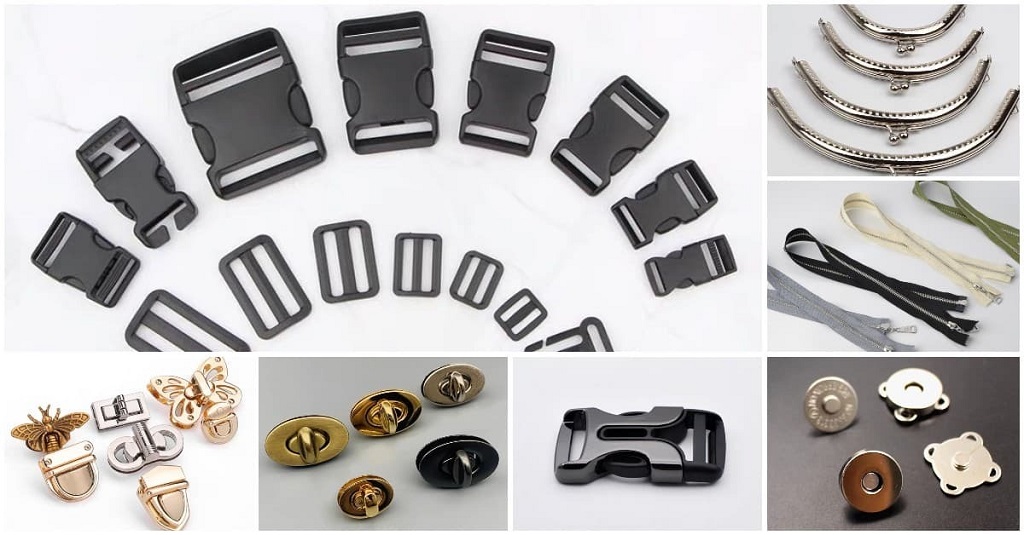
- Side Release Buckles: Extremely common on backpacks. Two prongs on the male end click into the female housing and are released by squeezing the sides. Usually made of durable plastic (like POM – Polyoxymethylene) but metal versions exist.
- Center Push Buckles: Similar to side release, but released by pressing a button in the center.
- Ladder Lock Buckles: Primarily used for adjusting strap length rather than full closure, but work on a tension principle.
- Cam Lock Buckles: Use a cam lever to clamp down on webbing for a secure, non-slip hold. Often found on tie-down straps but sometimes used on heavy-duty bags.
- Traditional Tongue Buckles: Like a belt buckle, with a prong fitting into holes on a strap. Offer high adjustability and a classic look, often seen on messenger bag flaps or decorative straps.
Materials: High-impact plastics (POM, Nylon) offer lightweight durability and corrosion resistance. Metals (Zinc Alloy, Stainless Steel, Brass) provide superior strength and a premium feel but add weight and cost.
Pros: Very secure, extremely durable (especially metal), offer adjustability (tongue, ladder lock), provide a rugged or classic aesthetic. Cons: Can be slower to open/close compared to zippers or magnets, plastic can become brittle in extreme cold or break under excessive force, metal adds weight. Best For: Backpacks (main compartments, compression straps, chest/hip belts), messenger bags, tactical gear, luggage straps, tool bags, decorative elements on handbags.
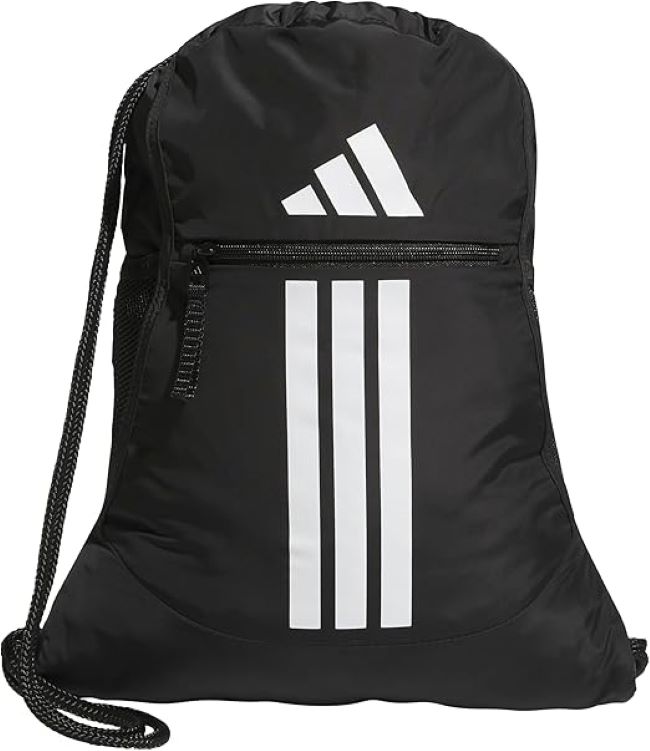
Simple Drawstrings: Casual and Cinchable
The drawstring closure is beautifully simple: one or two cords are threaded through a channel or a series of grommets around the bag’s opening. Pulling the cord(s) cinches the opening shut.
Mechanism: Tension on the cord gathers the fabric at the top, closing the opening. The cord can be secured by tying it, or sometimes with a cord lock (a spring-loaded plastic toggle).
Materials: The drawstring itself can be made from braided cotton, durable nylon or polyester cord, leather strips, satin ribbons, or even thick rope, influencing the bag’s style and durability.
Pros: Very easy and quick to close (though not always to open if tied tight), lightweight, inexpensive to implement, allows for a variable opening size. Cons: Generally less secure than other methods (can loosen or be easily opened by others), offers minimal weather protection, cords can tangle, wear out, or fray. Best For: Bucket bags, pouches (gym sacks, dust bags, jewelry pouches), laundry bags, casual backpacks (sometimes for top closure under a flap or for side pockets), minimalist totes.
Elegant Flaps: Covering with Style
A flap closure isn’t usually a closure mechanism in itself, but rather a design feature – a piece of the bag’s material that folds over the main opening. Its purpose is to protect the actual closure underneath and add a significant style element.
Mechanism: The flap covers the opening and is secured down by another type of fastener. The effectiveness and security of a flap closure depend entirely on the method used to keep it shut.
Securing Methods: Flaps commonly utilize:
- Magnetic Snaps: For easy, quick closure.
- Turn Locks / Push Locks: For a secure and often luxurious feel.
- Buckles (Traditional or Side Release): For a secure, often adjustable closure.
- Hook-and-Loop: For a casual, adjustable option.
- Toggles: For a distinctive, classic look.
- Snaps/Press Studs: For a simple, reliable hold.
Pros: Adds an extra layer of protection against elements and prying eyes, offers a large surface for design details, conceals the main closure mechanism, contributes significantly to the bag’s silhouette and style. Cons: Security is only as good as the fastener holding the flap down, can add extra steps to accessing the bag’s contents, adds some bulk and weight. Best For: Handbags (especially structured satchels and crossbody bags), messenger bags, backpacks (often covering a drawstring or zipper), clutches.
Magnetic Snaps: Effortless Attraction
Magnetic snaps offer a convenient and streamlined way to close a bag, using the simple force of magnetism.
Mechanism: Typically consist of two parts, each containing a small, powerful magnet (often neodymium) encased in metal. One part has a male nub, the other a female recess, helping them align, but the primary holding force is magnetic attraction. They come in sew-in versions (hidden between lining and outer fabric) or with prongs/rivets for installation.
Types: Vary in strength (stronger magnets for heavier flaps/bags), size, and visibility (some are designed as decorative elements, others are completely hidden). Double magnetic snaps can be used for larger bags or enhanced security.
Materials: Magnets encased in non-corrosive metal like brass or steel alloys.
Pros: Extremely easy and quick to use, often operable with one hand, provides a clean and sleek look (especially when hidden), relatively inexpensive. Cons: Less secure than zippers or buckles (can pop open under strain or if the bag is dropped), magnetic strength can vary or weaken over time (though rare with quality magnets), can unintentionally attract keys or other metallic items. Best For: Tote bags, casual handbags, clutches, internal pockets, wallets, situations where quick access is more critical than high security.
Turn Locks / Twist Locks: A Touch of Sophistication
Turn locks (or twist locks) provide a secure mechanical closure with a distinctively elegant and often vintage-inspired aesthetic.
Mechanism: A base plate is attached to the bag body, featuring an opening. A corresponding ‘turn piece’ is mounted on the flap. The turn piece fits through the opening in the plate, and a small knob or bar is then twisted (usually 90 or 180 degrees) to lock it in place behind the plate.
History: Gained popularity alongside other metal hardware like push locks around the 1940s, reflecting the era’s structured handbag designs.
Materials: Almost exclusively made from metal (brass, zinc alloy, steel) with various finishes (gold, nickel, gunmetal, antique brass).
Pros: Offers a very secure closure, provides a high-end, sophisticated look, satisfying tactile operation, durable metal construction. Cons: Requires two hands to operate, slower than magnetic snaps, adds weight and cost to the bag, installation needs to be precise, the mechanism can potentially wear or loosen over long periods. Best For: Structured handbags, satchels, briefcases, clutches, wallets, used prominently on flaps.
Hook-and-Loop (Velcro): The Grippy Fastener
Invented by Swiss engineer George de Mestral in the 1940s (inspired by burrs sticking to his dog’s fur), hook-and-loop fastener (Velcro is a prominent brand name) offers a highly adjustable and easy-to-use closure.
Mechanism: Consists of two fabric strips: one covered in tiny, stiff hooks, and the other covered in smaller, softer loops. When pressed together, the hooks catch in the loops, creating a strong bond.
Materials: Typically made from woven nylon or polyester.
Pros: Very easy and quick to fasten/unfasten, offers significant adjustability in fit/closure, lightweight, relatively inexpensive. Cons: Can wear out over time (hooks straighten, loops fray, losing grip), collects lint, hair, and debris which reduces effectiveness, can be noisy (“rip” sound), the hook side can snag on delicate fabrics or knitwear. Best For: Casual bags (some backpacks, messenger bag flaps), children’s bags and shoes, sporting goods, internal organizers, securing gear straps, temporary closures.
Snaps / Press Studs: The Reliable Click
Also known as press studs or poppers, snaps provide a secure closure through interlocking metal or plastic discs.
Mechanism: Consists of two (or sometimes four for heavy-duty types) interlocking parts: a male stud and a female socket. Firm pressure clicks them together, and they are separated by pulling them apart.
History: Patented in the late 1880s by several inventors around the same time, initially used widely in apparel before moving to accessories.
Types: Come in sew-on varieties or versions installed with prongs (like ring-spring or S-spring snaps, common in outerwear and leather goods) or rivets.
Materials: Commonly made from brass or stainless steel for durability and rust resistance. Plastic snaps are also available, often used for baby clothes or lighter applications.
Pros: Provide a secure and reliable hold when fastened, relatively low profile and discreet, durable (especially metal snaps), inexpensive. Cons: Require firm, direct pressure to close and open, which can be difficult for individuals with limited hand strength, improper pulling can tear weaker fabrics, installation of pronged/riveted snaps requires tools. Best For: Internal pockets, securing small flaps, wallets, cardholders, leather goods, lightweight bag closures (often supplementary).
Kiss Locks / Frame Closures: Vintage Charm
This closure type is defined by a metal frame structure incorporated into the bag’s opening, providing shape and a distinct closing mechanism.
Mechanism: The bag material is attached to a hinged metal frame.
- Kiss Lock: Features two interlocking knobs (often spheres or decorative shapes) atop the frame that click together when pressed shut. Usually found on smaller purses.
- Frame Clasp: Can involve a single clasp or lever mechanism on the frame that snaps it securely closed.
- Clamshell Frame: Some modern interpretations use a concealed frame where the fabric bunches together at the top, mimicking the look without visible hardware, closing via internal magnets or spring tension.
History: Metal frame bags have roots stretching back centuries (Renaissance mentioned for early examples), with kiss locks becoming particularly iconic for coin purses and elegant evening bags in the 20th century.
Materials: Frames are typically made of steel, brass, or other metal alloys, often plated for different finishes.
Pros: Creates a unique and often nostalgic/vintage aesthetic, provides inherent structure to the bag’s opening, offers a secure closure when properly latched, can be very elegant. Cons: Adds significant weight and rigidity, can limit the opening size of the bag, repair can be difficult or impossible if the frame is bent or the hinge breaks, can be more expensive to manufacture. Best For: Clutches, evening bags, coin purses, makeup bags, vintage-style handbags.
Tie Closures: Simply Tied Up
One of the simplest closure methods involves strips of fabric, ribbon, or cord attached to opposite sides of the bag opening, which are then tied together.
Mechanism: Manual tying (usually a bow or a simple knot) secures the opening.
Materials: Can use self-fabric (same material as the bag), contrasting fabric strips, grosgrain or satin ribbon, leather cords, or even twine or rope for a rustic look.
Pros: Very simple and inexpensive, adds a soft, casual, or decorative touch, highly adjustable tightness, easy to replace if a tie breaks. Cons: Offers the least amount of security (easily untied intentionally or accidentally), provides minimal protection from elements or spills, can be time-consuming to tie neatly, ties can dangle and get caught. Best For: Casual market totes, fabric gift bags, simple pouches, bags aiming for a deliberately rustic, bohemian, or handcrafted aesthetic.
Roll Tops: Adaptable and Weather-Ready
A popular choice for outdoor and commuter bags, the roll-top closure offers excellent weather resistance and adjustable capacity.
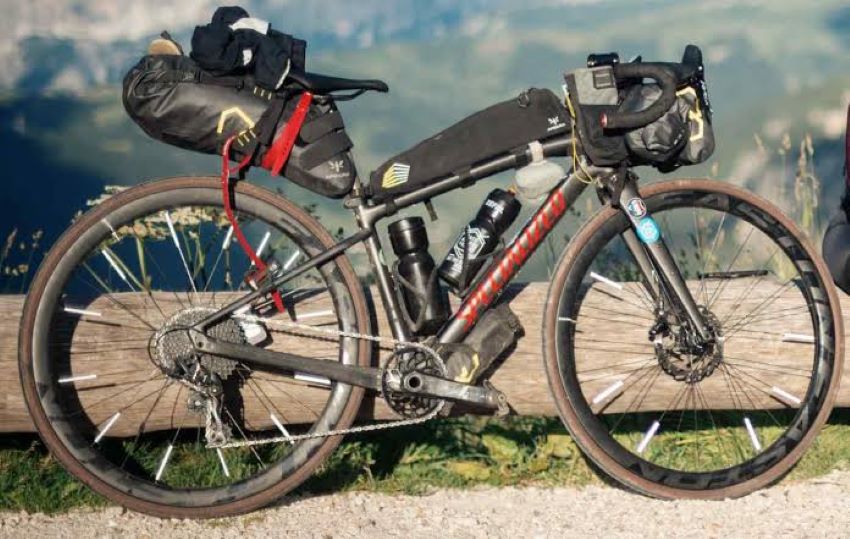
Mechanism: The top edge of the bag is extended. To close, this extended section is flattened, folded, and then rolled down tightly several times (usually 3 or more rolls are recommended for a good seal). The rolled section is then secured, typically by clipping buckles at the sides together, or by fastening straps down the front of the bag.
Pros: Highly water-resistant (creates a barrier against rain, snow, and dust), allows for flexible carrying capacity (roll down less for more items, more for fewer), offers good security (takes time and effort to unroll, making it difficult for pickpockets), provides a modern, utilitarian aesthetic. Cons: Slower to open and close compared to zippers or magnetic snaps, the rolled section can add some bulk at the top, effectiveness depends on proper rolling and securing. Best For: Cycling backpacks and messenger bags, hiking packs, dry bags for water sports, commuter bags, travel bags where weather protection and variable load are key.
Clip Closures: Quick Connects
While not usually the primary closure for a main bag compartment, various types of clips serve important fastening functions on bags.
Types:
- Lobster Clasps: Feature a tiny lever that retracts a section of the clasp, allowing it to open. Often swivel.
- Gate Clips (Push Gate / Trigger Snaps): Have a spring-loaded gate that pushes inward to open. Can be simple wire gates or more robust trigger-style snaps.
- Swivel Snap Hooks: Clips that can rotate 360 degrees, preventing straps from twisting.
Materials: Typically metal (Zinc Alloy, Brass, Steel) for durability, though plastic versions exist for lighter applications.
Pros: Very quick and easy to attach/detach, secure for their intended purpose (holding keys, straps), swiveling action is convenient. Cons: Not suitable as a main closure for security, spring mechanism can eventually weaken or break. Best For: Attaching removable shoulder or crossbody straps, clipping key fobs or small accessory pouches inside a larger bag, securing external gear loops, sometimes used decoratively on flaps.
Toggle Closures: Loop and Peg
Toggle closures offer a distinctive look, often associated with classic duffle coats.
Mechanism: A bar-shaped piece (the toggle) is passed through a loop made of cord, leather, or fabric attached to the opposite side of the opening. Tension usually keeps it in place.
Materials: Toggles can be made from wood, horn, durable plastic, or sometimes metal. Loops are typically cord, leather strips, or reinforced fabric.
Pros: Unique and recognizable aesthetic, relatively easy to operate (can often be done one-handed), adds a classic or nautical touch. Cons: Less secure than many other closures (toggle can potentially slip out), loop material can stretch or wear over time, toggle itself can break if made from less durable material. Best For: Duffle bags (the classic application), external pockets on backpacks or totes, bags seeking a specific heritage or nautical style.
Push Locks / Tuck Locks: Press to Secure
Push locks (sometimes called tuck locks or press locks) are mechanical closures often found on flaps, offering a secure and often sleek fastening.
Mechanism: A base plate is attached to the bag body. A corresponding piece on the flap features a part that pushes or ‘tucks’ into the base. It locks automatically, and release usually involves pushing small buttons on the sides of the base, or sometimes pushing the base itself.
History: Like turn locks, their development is linked to the Industrial Revolution and they became fashionable for structured bags around the 1940s.
Materials: Primarily metal alloys with various finishes.
Adds weight and cost, the internal mechanism can potentially fail or jam, requires precise installation, can be harder to repair than simpler closures. Best For: Handbags, briefcases, satchels, portfolios, primarily used on flaps requiring a secure and refined closure.
Grommet and Cord Closures: Reinforced Holes
This style uses metal rings (grommets or eyelets) to reinforce holes punched in the bag material, serving as passages for a drawstring or decorative lacing.
Mechanism: Metal grommets prevent the fabric from tearing around the holes.
Materials: Grommets are metal (Brass, Nickel, Steel). The cord material varies widely (Cotton, Nylon, Polyester, Rope, Leather).
Pros: Reinforces the fabric around closure points, enables a drawstring or lacing closure on potentially heavier materials, can be a strong decorative element (especially with large or contrasting grommets). Cons: Security depends entirely on the cord and how it’s tied, installing grommets requires specific tools (hole punch, setter, mallet/press), the cord itself can wear out. Best For: Drawstring backpacks, bucket bags, canvas totes, beach bags, bags with decorative lacing features, reinforcing strap attachment points.
Choosing the Right Closure: Function Meets Fashion
With such a wide array of options, how do you decide which closure is best? Consider these factors:
- Security: How valuable are the contents? For high security, look towards lockable zippers, sturdy buckles, turn locks, push locks, or well-secured roll tops. Magnetic snaps, drawstrings, and simple ties offer less security.
- Ease of Access: How often will you need to get into the bag, and will you need one-handed operation? Magnetic snaps and drawstrings are often the fastest. Zippers, buckles, turn locks, and roll tops generally require more time and usually two hands.
- Durability & Lifespan: Will the bag endure heavy use or harsh conditions? Metal buckles, high-quality zippers (metal or robust molded plastic), and well-made turn/push locks tend to be very durable. Hook-and-loop and simple ties may wear out faster. Plastic components can break under stress or in extreme temperatures.
- Weather Resistance: Is protection from rain, snow, or dust important? Roll tops offer the best resistance, followed by waterproof zippers. Flaps provide an extra layer of protection over the primary closure. Simple drawstrings and ties offer minimal weather sealing.
Read More Also: Beyond the Basics: An In-Depth Guide to Bag Closure Types
People Also Ask (FAQs)
Q1: What is the most secure type of bag closure?
- There’s no single “most” secure, as quality matters greatly.
Q2: What’s the easiest bag closure to use?
- Magnetic snaps are often cited as the easiest, allowing quick, one-handed closure. Drawstrings are also very simple to cinch shut. Hook-and-loop is easy but can require alignment.
Q3: How do magnetic bag closures work?
- They use the natural attraction between two magnets. When brought close, they snap together.
Q4: Are roll-top bags waterproof?
- They are typically highly water-resistant, not fully waterproof (submersible) unless specifically designed as such (like true dry bags). They offer excellent protection against rain and splashes.
Q5: What is a kiss lock?
- A kiss lock is a type of frame closure, typically found on coin purses or small handbags, characterized by two interlocking knobs (often spherical) situated on top of the metal frame that click together to close the bag.
Q6: Are drawstring bags safe for valuables?
- Generally, drawstring bags are considered less secure for valuable items compared to bags with zippers, buckles, or locking mechanisms. They can loosen on their own and are relatively easy for others to open without notice.
Read More Also: Unearthing the Extraordinary: The Allure and Impact of Rare Pursuits
The Finishing Touch: Conclusion
The humble bag closure does heavy lifting, blending essential function with defining style. From the stalwart zipper that secures our travel essentials to the elegant turn lock that adds polish to a favourite handbag, each type brings its own set of strengths and characteristics. Understanding the nuances – the trade-offs between security and convenience, durability and aesthetics, weather resistance and ease of use – empowers us to choose bags that not only look good but truly serve our needs.
Next time you reach for your bag, take a moment to appreciate the mechanism that stands between your belongings and the world. It’s a small detail, perhaps, but one that speaks volumes about design ingenuity and the practical demands of our daily lives. Whether you favor the modern efficiency of a magnetic snap or the timeless strength of a buckle, the perfect closure is out there, waiting to click, zip, or cinch your world securely shut.