
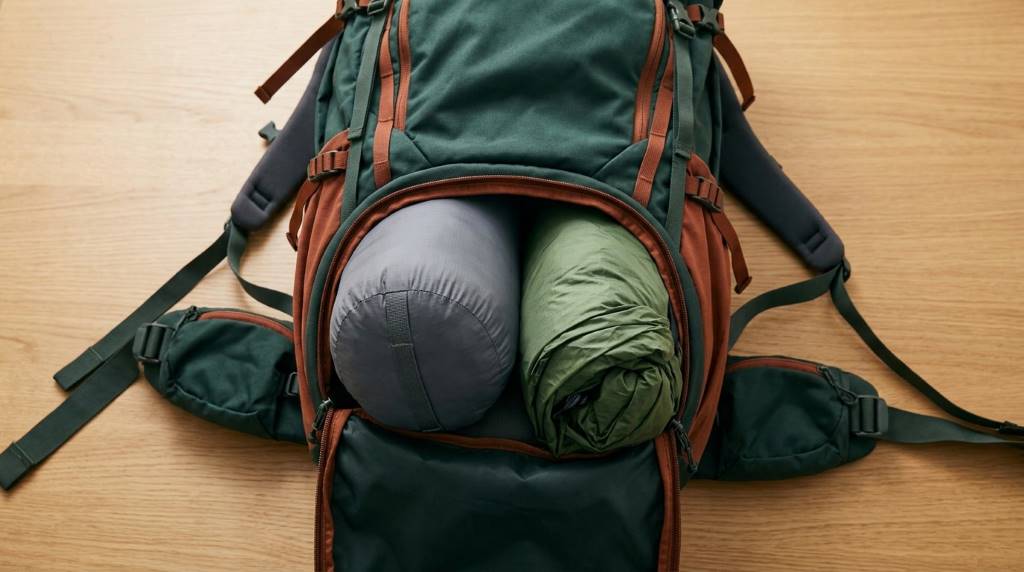
Camping has become one of America’s favorite outdoor activities, with millions of people visiting campgrounds every year. Recent outdoor reports show that more than 58 million U.S. households participate in camping activities annually. Learning how to pack efficiently can improve comfort, reduce fatigue, and keep gear organized. Many outdoor enthusiasts also search for the right camping backpack men options before planning their trips. A well packed backpack saves time, protects essential gear, and makes every adventure more enjoyable.
Why Proper Backpack Packing Matters
Packing a camping backpack is more than placing items inside a bag. Proper organization affects balance, comfort, and safety on the trail.
When weight sits in the wrong place, your body uses more energy. As a result, long hikes become tiring and uncomfortable.
A smart packing system also prevents damaged equipment. Furthermore, it helps you find supplies quickly during emergencies.
Choose the Right Backpack Size
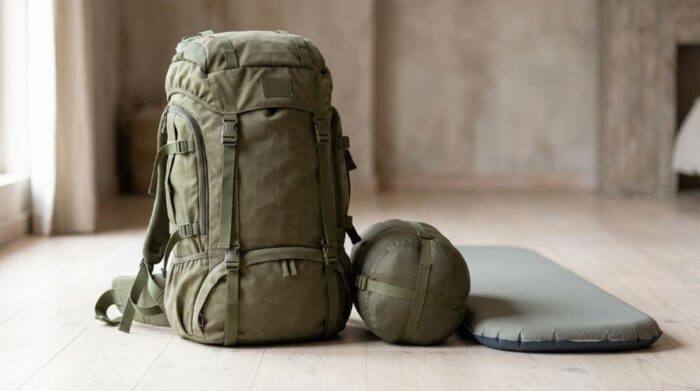
Before packing, select a backpack that matches your trip length. Different adventures require different carrying capacities.
- 30 to 40 liters for overnight trips
- 40 to 60 liters for weekend adventures
- 60 liters or more for extended camping journeys
Men often carry slightly heavier gear because of larger clothing and equipment sizes. Therefore, choosing the correct capacity is essential.
Understand Backpack Weight Distribution
Backpack comfort depends on where you place each item. The heaviest gear should sit close to your back.
Bottom Section
This area should hold soft and lightweight items. Sleeping bags and extra clothing work best here.
Middle Section
The middle area carries the heaviest equipment. Food bags, cooking gear, and water reservoirs belong in this zone.
Top Section
Place frequently used items near the top. Rain jackets and first aid kits should stay easy to reach.
External Pockets
Store small necessities inside outer pockets. Maps, snacks, and flashlights fit perfectly in these spaces.
Create a Camping Packing Checklist
A checklist reduces the risk of forgetting important gear. It also helps avoid overpacking.
Shelter Equipment
- Tent
- Tent stakes
- Ground tarp
- Repair kit
Sleeping Essentials
- Sleeping bag
- Sleeping pad
- Camping pillow
Cooking Supplies
- Portable stove
- Fuel canister
- Cookware set
- Utensils
- Food containers
Clothing
- Moisture wicking shirts
- Insulated jacket
- Extra socks
- Rain gear
- Comfortable sleepwear
Safety Gear
- First aid kit
- Compass
- Map
- Emergency whistle
- Headlamp
- Multi tool
Pack the Bottom Layer First
Start with gear that you will not need until bedtime. This method creates a stable base inside the backpack.
Place your sleeping bag inside a waterproof sack. Then position extra clothing around it for cushioning.
This technique protects delicate equipment and fills empty spaces. Consequently, the backpack maintains its shape while hiking.
Arrange Heavy Items in the Center
Heavy gear should sit directly behind your shoulders. This position keeps the backpack balanced and reduces strain.
Place food supplies and cookware vertically against the back panel. Then secure them tightly to prevent movement.
If heavy items shift while walking, they can affect your posture. Therefore, pack them firmly inside the center compartment.
Keep Important Gear Accessible
Many campers make the mistake of burying essential supplies. However, quick access can save time and improve safety.
Store these items near the top:
- Rain jacket
- Water filter
- Snacks
- First aid supplies
- Sunscreen
- Bug spray
Easy access means fewer interruptions during the hike. Additionally, it prevents unnecessary unpacking.
Use Compression and Storage Bags
Compression sacks help reduce bulky items. As a result, you gain more usable space inside the backpack.
Waterproof storage bags also protect equipment from unexpected rain. This feature is especially important in many regions across the USA.
Different colored bags make organization easier. Consequently, you can locate gear within seconds.
Manage Water and Food Properly
Water is one of the heaviest items in your pack. Therefore, carrying the correct amount is critical.
Many hikers use hydration reservoirs because they distribute weight evenly. Others prefer water bottles stored in side pockets.
Food should remain in sealed containers. Furthermore, odor proof bags help protect supplies from wildlife.
Attach Gear Outside Carefully
External attachment points can increase carrying capacity. However, attaching too much gear creates instability.
Secure only lightweight items outside the backpack. Sleeping pads and trekking poles are suitable choices.
Avoid hanging heavy equipment from the exterior. Otherwise, the backpack may pull backward while walking.
Adjust the Backpack Before Hiking
Packing correctly means little without proper adjustment. Backpack straps determine how the weight feels on your body.
Start by tightening the hip belt around your waist. Then adjust the shoulder straps evenly.
Finally, secure the load lifter straps near your shoulders. This adjustment pulls weight closer to your center of gravity.
Common Packing Mistakes Men Should Avoid
Even experienced campers sometimes pack inefficiently. Fortunately, these mistakes are easy to prevent.
- Carrying unnecessary gadgets
- Packing heavy items too low
- Ignoring weather conditions
- Skipping waterproof protection
- Overloading external attachment points
A lighter and organized pack improves the entire outdoor experience. Therefore, always review your gear before leaving home.
Simple Packing Strategy for Weekend Trips
This quick system works well for most camping adventures:
- Pack sleeping gear at the bottom.
- Place heavy supplies in the middle.
- Keep essentials near the top.
- Use side pockets for water and snacks.
- Attach only lightweight gear outside.
This method creates balance and improves comfort during long hikes. Moreover, it helps maintain an organized backpack throughout the trip.
Conclusion
Learning how to pack a camping backpack for men can transform every outdoor adventure. Proper weight distribution, organized storage, and smart gear placement make hiking easier and safer.
Before your next trip, create a checklist and practice packing at home. A well prepared backpack allows you to enjoy nature instead of struggling with disorganized gear.
Frequently Asked Questions
How heavy should a camping backpack be?
A loaded backpack should generally weigh no more than twenty percent of your body weight.
Where should I place my sleeping bag?
You should pack your sleeping bag at the bottom of the backpack.
Can I attach gear outside my backpack?
Yes, but only lightweight items should hang outside the pack.
Why should heavy items stay near my back?
This position improves balance and reduces strain during long hikes.
Should I use waterproof bags inside my backpack?
Yes, waterproof bags protect clothing and equipment from unexpected weather.