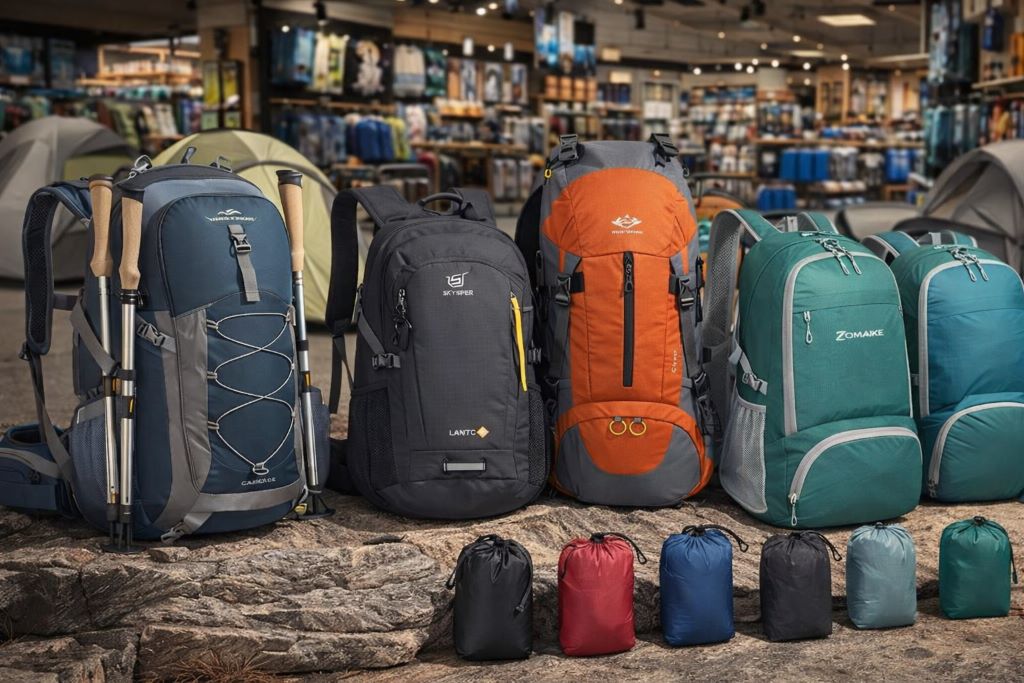
Good gear makes hiking easier, but it does not need to cost a fortune. Many hikers now look for simple daypacks that carry essentials without adding unnecessary weight or complexity. According to the U.S. Forest Service, millions of Americans hike public trails every year, and day hikes make up the majority of those trips. Another study from the National Park Service reports that short outdoor visits often require only basic equipment, with a small backpack being one of the most commonly used items.
That reality explains why budget hiking backpacks remain popular. A good affordable pack should feel comfortable, hold the essentials, and survive regular outdoor use. The goal is simple. Reliable storage without unnecessary bulk.
This guide looks at several practical options that manage to stay affordable while still doing the job properly.
A Quick Overview of The Best Budget Backpack for Hiking Under Budget in 2026
Several affordable backpacks stand out for comfort, packability, and trail practicality. The following models balance price, durability, and day hike functionality.
- Maelstrom Hiking Backpack 40L
- ZOMAKE 30L Hiking Backpack
- Uselike 10L Small Hiking Backpack
- MIYCOO Packable Backpack
- WoneNice 50L Waterproof Hiking Backpack
- SKYSPER 20L Small Hiking Backpack
Best Budget Backpack for Hiking Under Budget in 2026
Not every hiker needs a large expedition pack. Many outdoor trips only require water, snacks, and a few essentials. These backpacks focus on practical daily use while staying light and easy to carry.
Maelstrom Hiking Backpack 40L
A spacious daypack for longer hikes
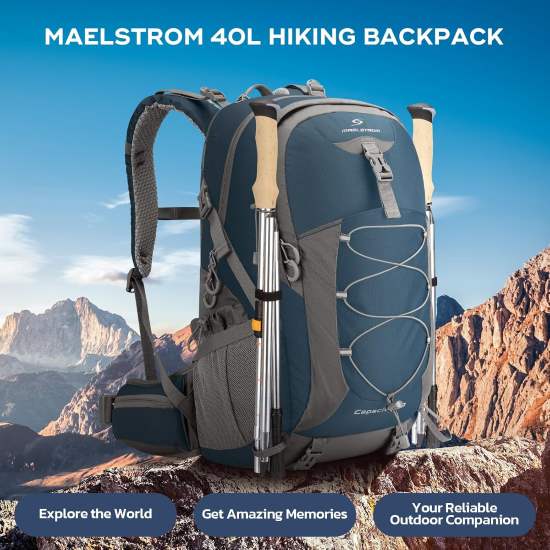
The Maelstrom 40L backpack feels designed for hikers who want room without stepping into full backpacking territory. In practice, the pack carries enough gear for a long day hike or even a light overnight trip. The capacity allows space for extra clothing, food, and a hydration bladder while still staying manageable.
During real use, the airflow back panel helps reduce the sweaty back problem that many inexpensive packs suffer from. The shoulder straps feel padded enough for moderate loads, and the included rain cover adds practical weather protection.
The pack works well for hikers who carry more than the basics. Photographers, trail runners who bring extra layers, or travelers using it as a day bag often appreciate the extra space.
Maintenance stays simple. The fabric wipes clean easily and dries quickly after light rain exposure.
However, ultralight hikers may find the pack slightly bulkier than necessary for quick short trails.
User Review
Michael T.
“I used this pack for weekend hikes in the mountains. It carried water, snacks, and an extra jacket without feeling cramped. The rain cover actually saved my gear during a surprise storm.”
Key Features
• Quality: Durable nylon construction that handles rough trail contact.
• Comfort: Breathable back panel helps reduce sweat buildup.
• Storage: Multiple compartments keep gear organized.
• Weather Protection: Included rain cover adds extra security during storms.
• Capacity: 40L space works for long day hikes.
• Adjustability: Adjustable straps help distribute weight.
• Versatility: Useful for hiking or travel.
• Maintenance: Fabric cleans easily after muddy trails.
Pros and Cons
| Pros | Cons |
| Spacious interior storage | Slightly bulky for short hikes |
| Good airflow back panel | Not the lightest option |
| Rain cover included | Pockets could be deeper |
ZOMAKE 30L Hiking Backpack
A compact packable trail companion
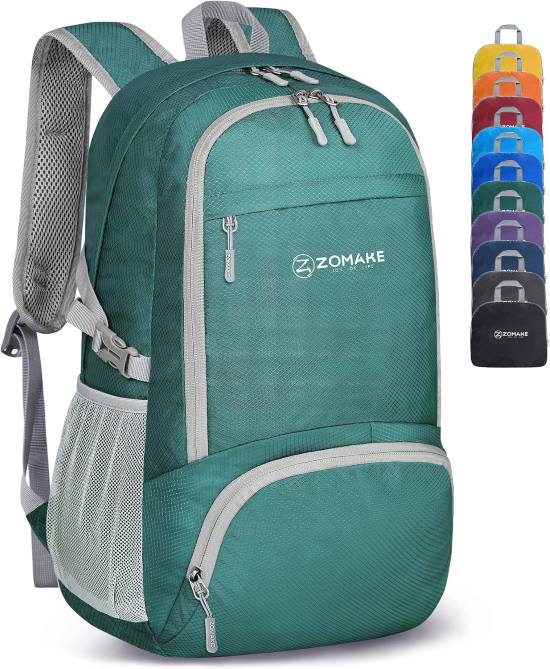
The ZOMAKE 30L backpack stands out for its packable design. When folded, it fits easily inside luggage or another bag. That makes it particularly useful for travelers who plan spontaneous hikes.
In daily use, the pack feels lightweight and surprisingly roomy. Thirty liters provides enough capacity for snacks, water bottles, a camera, and a lightweight jacket. The water resistant nylon fabric handles light rain without absorbing moisture quickly.
The shoulder straps feel thin compared with structured hiking packs, but they remain comfortable when carrying lighter loads.
This backpack suits casual hikers, travelers, and people who want a backup pack stored in their luggage.
It may struggle with heavier loads because the flexible frame provides minimal structural support.
User Review
Angela R.
“I took this pack on a trip through national parks. It folds small but opens into a full size backpack. Perfect for day hikes.”
Key Features
• Portability: Foldable design fits inside travel bags.
• Weight: Lightweight construction reduces carrying strain.
• Material: Water resistant nylon protects contents from light rain.
• Capacity: 30L size works for day trips.
• Storage Layout: Simple pockets keep essentials accessible.
• Travel Friendly: Ideal as an emergency backup backpack.
• Durability: Reinforced stitching improves longevity.
• Maintenance: Easy to rinse and air dry.
Pros and Cons
| Pros | Cons |
| Extremely lightweight build | Limited load support |
| Folds for travel storage | Minimal padding |
| Good for casual hikes | Not ideal for heavy gear |
Uselike 10L Small Hiking Backpack
A minimalist option for short walks
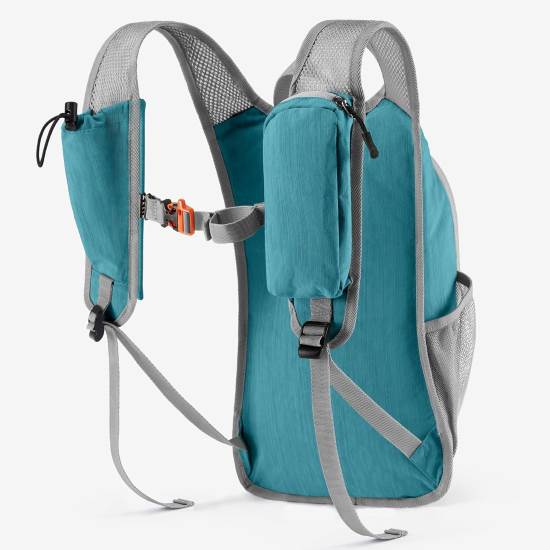
The Uselike 10L backpack focuses on simplicity. Its small capacity encourages hikers to carry only essentials such as water, a phone, snacks, and basic safety gear.
In real use, the pack feels light enough that many users forget they are wearing it. That makes it especially appealing for short trail walks, city exploration, or light jogging.
The fabric handles occasional moisture, though it does not provide full waterproof protection. Zippers remain smooth even after repeated use.
Because the pack is compact, organization stays simple. One main compartment and a few smaller pockets keep the layout straightforward.
This backpack works best for minimalist hikers or travelers who want a tiny daypack.
Those needing space for bulky clothing or camera equipment will find it too small.
User Review
Daniel K.
“I use this pack for quick morning hikes. It holds water and a snack without feeling heavy.”
Key Features
• Compact Size: 10L capacity encourages lightweight packing.
• Comfort: Lightweight straps prevent shoulder fatigue.
• Portability: Packable design fits inside larger luggage.
• Simplicity: Minimal pockets make organization easy.
• Material: Durable fabric resists small abrasions.
• Versatility: Useful for hiking or city travel.
• Weight: Extremely light for quick outings.
• Maintenance: Easy to clean after outdoor use.
Pros and Cons
| Pros | Cons |
| Very lightweight design | Limited storage space |
| Ideal for short hikes | Minimal weather protection |
| Packs easily for travel | Not suited for gear heavy trips |
MIYCOO Packable Backpack
An ultra light travel friendly hiking pack
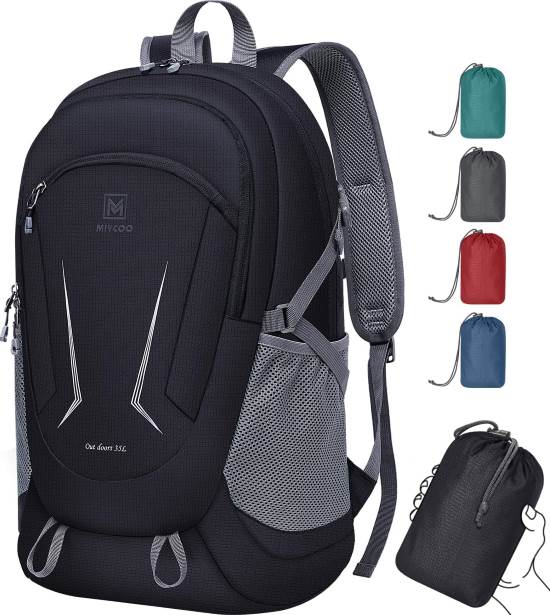
The MIYCOO backpack focuses heavily on weight reduction and packability. It compresses into a small bundle, making it convenient for travelers who need a lightweight backup bag.
During use, the backpack feels flexible rather than structured. That flexibility helps when stuffing oddly shaped gear inside. The water resistant fabric keeps contents safe during light showers.
The pack offers enough room for food, a water bottle, and small electronics. Side mesh pockets add quick access storage.
Because the pack lacks a rigid frame, comfort depends on how evenly the gear is packed. Balanced loads feel comfortable, but heavy uneven loads may cause shoulder pressure.
This model works well for travelers and casual hikers who prioritize weight savings.
User Review
Sophie L.
“I packed this bag inside my suitcase and used it for several hikes during vacation. It felt light and convenient.”
Key Features
• Packability: Compresses into a small travel pouch.
• Weight: Ultra lightweight design reduces fatigue.
• Material: Water resistant fabric handles mild weather.
• Flexibility: Soft structure adapts to different gear shapes.
• Storage: Mesh side pockets for quick access items.
• Travel Use: Ideal backup bag for trips.
• Durability: Reinforced stitching improves lifespan.
• Maintenance: Fabric dries quickly after rain.
Pros and Cons
| Pros | Cons |
| Extremely lightweight build | Limited structure support |
| Easy to pack away | Less padding on straps |
| Good for travel hiking | Not ideal for heavy gear |
WoneNice 50L Waterproof Hiking Backpack
A larger option for gear heavy hikers

The WoneNice 50L backpack moves closer to traditional hiking packs. The capacity supports longer hikes or gear heavy activities such as camping.
In real use, the internal frame and padded straps help distribute weight effectively. The included rain cover protects equipment during storms, which becomes important when carrying electronics or spare clothing.
The multiple compartments allow organized packing. Sleeping bags, food supplies, and extra clothing fit easily.
Because of its size, the pack suits hikers planning long day trips or light overnight outings.
However, casual hikers may find the size excessive for short walks.
User Review
Ryan P.
“I used this backpack on a two day hiking trip. It carried everything comfortably and handled rain well.”
Key Features
• Capacity: 50L storage supports long trips.
• Comfort: Padded straps improve weight distribution.
• Weather Protection: Rain cover keeps gear dry.
• Organization: Multiple compartments simplify packing.
• Durability: Tough fabric handles rugged environments.
• Support: Internal structure stabilizes heavier loads.
• Versatility: Suitable for hiking or camping.
• Maintenance: Fabric cleans easily after outdoor use.
Pros and Cons
| Pros | Cons |
| Large storage capacity | Too big for short hikes |
| Good weight distribution | Slightly heavier pack |
| Useful rain protection | Takes space in luggage |
SKYSPER 20L Small Hiking Backpack
Balanced size for everyday hiking
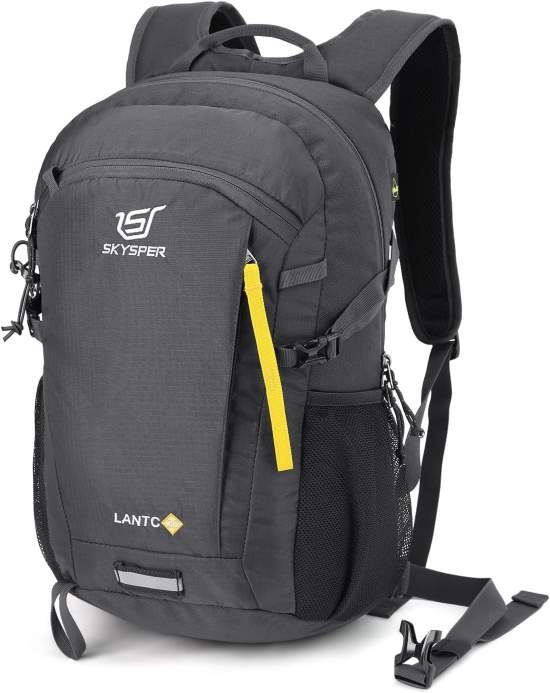
The SKYSPER 20L backpack strikes a practical middle ground between ultralight packs and larger hiking bags. Twenty liters provides enough space for water, snacks, and extra clothing without feeling oversized.
During hikes, the pack feels stable thanks to its ergonomic design and breathable back padding. The structured shoulder straps help maintain comfort even during longer walks.
The backpack also includes several small compartments that make organization easier. Maps, phones, and trail tools stay separated instead of getting lost in one large pocket.
This pack works well for regular day hikers who want a reliable daily bag.
Minimalist hikers might still prefer smaller packs, while overnight hikers will likely need more capacity.
User Review
Laura M.
“I use this backpack every weekend for local trails. The size feels perfect for water, snacks, and a rain jacket.”
Key Features
• Capacity: 20L size balances space and portability.
• Comfort: Breathable padding improves airflow.
• Structure: Ergonomic design stabilizes the load.
• Organization: Multiple pockets keep gear separated.
• Durability: Strong stitching supports regular use.
• Versatility: Works for hiking and daily travel.
• Weight: Light enough for day hikes.
• Maintenance: Fabric resists dirt buildup.
Pros and Cons
| Pros | Cons |
| Balanced storage capacity | Limited for overnight trips |
| Comfortable padded back | Not fully waterproof |
| Good everyday hiking pack | Limited external attachment points |
Buying Guide
Choosing a hiking backpack involves more than simply picking a size. Comfort, durability, and real world usability matter far more than appearance or advertised capacity. Understanding the factors below helps prevent frustration on the trail.
What Actually Matters Before Choosing
Capacity and Real Carrying Needs
Backpack capacity determines how much gear fits inside, but buyers often misunderstand how much space they truly need.
Short hikes usually require only water, snacks, and a light jacket. In those situations, a 10L to 20L pack often feels more comfortable than larger models. Larger packs become useful when carrying camera gear, emergency supplies, or overnight equipment.
Choosing a pack that matches real use prevents unnecessary weight and bulk.
Material Quality and Long Term Durability
Many budget backpacks use lightweight nylon or polyester fabrics. These materials resist moisture and dry quickly, but durability varies depending on stitching quality and fabric thickness.
Buyers often assume all nylon fabrics perform the same. In reality, reinforced seams and thicker materials dramatically improve lifespan.
A well built budget pack can last years with normal trail use.
Comfort and Weight Distribution
Comfort depends heavily on strap padding, back panel ventilation, and weight balance.
Many inexpensive backpacks skip structural support. That may work for lighter loads but becomes uncomfortable when carrying heavier items.
Padded shoulder straps and breathable back panels reduce pressure points and heat buildup during long hikes.
Maintenance and Long Term Ownership
Backpacks experience mud, sweat, and rain. Easy cleaning becomes important after repeated outdoor use.
Most lightweight packs only require gentle hand washing and air drying. Packs with removable rain covers often stay cleaner because the cover absorbs most moisture.
Ignoring maintenance can lead to odor buildup and weakened fabric.
Environmental Compatibility
Trail conditions change quickly. Some environments involve frequent rain, while others require strong abrasion resistance against rocks and branches.
Hikers who explore wet climates benefit from water resistant fabrics or included rain covers. Dry climates may place greater emphasis on durability and ventilation.
Matching a pack to the environment improves reliability.
Safety Considerations
Backpacks should allow hikers to carry basic safety equipment such as water, navigation tools, and emergency supplies.
Smaller packs may limit space for safety gear. Larger packs allow better preparation but can encourage unnecessary weight.
Balancing safety readiness with mobility remains important.
Common Buyer Mistakes
Many hikers choose backpacks based on appearance rather than practical function.
Some assume larger packs automatically work better. In reality, oversized packs often cause unnecessary strain because they encourage carrying extra items.
Another common mistake involves ignoring strap comfort. Thin straps may feel acceptable initially but quickly cause shoulder fatigue on longer hikes.
Many buyers also overestimate waterproof claims. Water resistant fabrics protect against light rain but usually require a rain cover during heavy storms.
Another misunderstanding involves packable backpacks. These designs save space but sacrifice structure and support, which makes them less suitable for heavier gear.
Finally, some hikers underestimate the importance of ventilation. A poorly ventilated back panel traps heat and moisture, which leads to discomfort during warm weather.
How to Match Products to Specific Needs
Different hikers require different types of backpacks.
Casual hikers usually benefit from small lightweight packs between 10L and 20L. These bags stay comfortable during short walks and encourage simple packing.
Travelers often prefer packable backpacks that fold into luggage. These designs provide flexibility when exploring new areas.
Regular day hikers may want mid size backpacks around 20L to 30L. These packs offer enough space for water, clothing, and small gear without feeling bulky.
Hikers planning longer adventures may require larger packs around 40L to 50L. These backpacks allow extra supplies and better weight distribution for extended trips.
Understanding how often and where the backpack will be used helps narrow down the right choice.
Related:
Best Affordable Travel Backpacks for Women & Men 2026 – Which One Actually Fits More Than You Think?
The Evolution of School Backpacks: 9 Transformations from 1900 to Now
Conclusion
A good hiking backpack does not need complex features or premium branding to perform well. Comfort, durability, and practical storage matter far more during real hikes.
Small packs work well for short trails, while larger packs support longer adventures. Packable designs add flexibility for travelers who want lightweight gear.
The best choice depends on how much equipment you carry and how often you explore the outdoors. By focusing on comfort, capacity, and durability, hikers can find reliable gear that performs well without unnecessary cost.
FAQs
What size backpack works best for day hiking
Most day hikers prefer backpacks between 15L and 30L.
Are packable backpacks good for hiking
They work well for light gear but may feel uncomfortable with heavier loads.
Do hiking backpacks need rain covers
Rain covers help protect gear during heavy rain.
How long should a hiking backpack last
With proper care, a good backpack can last several years.
Is a 50L backpack too large for day hikes
It can feel oversized unless you carry extra gear.