Single use bag protection is a critical step toward reducing environmental harm caused by plastic waste. Every year, billions of plastic bags pollute oceans, harm wildlife, and clog landfills. This blog post explores practical ways to protect our planet by addressing the single use bag crisis. From understanding their environmental impact to adopting eco-friendly alternatives, we aim to educate, demonstrate, and fascinate you with actionable solutions. Whether you’re a concerned citizen or a business owner, you’ll find reliable strategies to embrace sustainable practices. Join us as we dive into the world of single use bag protection and discover how small changes can make a big difference.
Understanding the Impact of Single Use Plastic Bags
Single use plastic bags are a major environmental concern due to their widespread use and persistence in ecosystems. According to a 2018 study by the United Nations Environment Programme, approximately 5 trillion plastic bags are used globally each year, with most ending up in landfills or oceans. These bags take centuries to decompose, releasing microplastics that harm marine life and enter the food chain. Additionally, their production consumes significant fossil fuels, contributing to carbon emissions.
The consequences extend beyond pollution. Wildlife, such as turtles and birds, often mistake plastic bags for food, leading to injury or death. In urban areas, discarded bags clog drainage systems, causing flooding. However, the issue isn’t insurmountable. By understanding the scale of the problem, individuals and communities can take informed steps toward single use bag protection. Awareness is the first step to change, and small actions, like refusing plastic bags, can collectively reduce their environmental toll.
Why Single Use Bag Protection Matters
Protecting our environment from single use bags is vital for sustainable living. These bags contribute to resource depletion and pollution, affecting both human and ecological health. For instance, producing plastic bags requires petroleum, a non-renewable resource, and their disposal generates greenhouse gases. A 2020 report by the U.S. Environmental Protection Agency noted that plastic waste, including bags, accounts for 12% of municipal solid waste in the U.S..
On a personal note, I once witnessed a beach cleanup where volunteers collected hundreds of plastic bags in just a few hours. The sight of tangled bags among seaweed and marine debris was a stark reminder of their lasting impact. Single use bag protection matters because it preserves ecosystems, reduces waste, and promotes a healthier planet. By prioritizing eco-friendly alternatives, we can protect natural habitats and ensure a sustainable future for generations to come.
Practical Alternatives to Single Use Plastic Bags
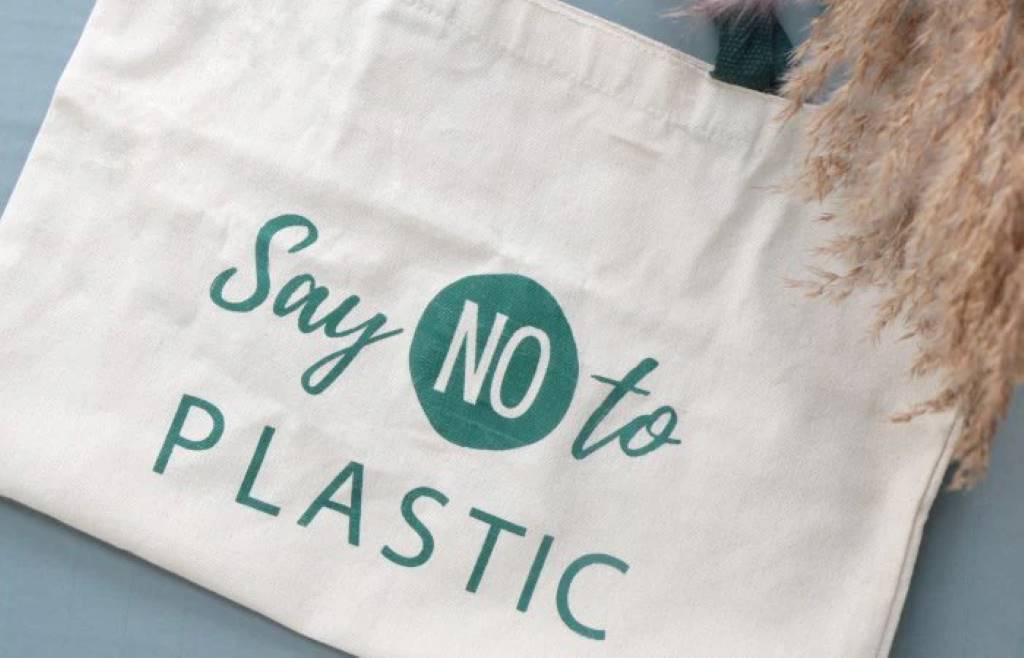
Switching to reusable alternatives is a key strategy for single use bag protection. Reusable bags, made from materials like cotton, jute, or recycled polyester, are durable and eco-friendly. They reduce waste and can be used hundreds of times, unlike their single use counterparts. For example, cloth bags are washable and sturdy, making them ideal for grocery shopping or carrying heavy items.
Another option is biodegradable bags, which break down faster than traditional plastics. However, they require specific composting conditions to decompose effectively. Paper bags are also an alternative, though they have a higher carbon footprint during production. To make the switch easier, keep reusable bags in your car or backpack for convenience. Local initiatives, like bag-sharing programs, can further support this transition. By adopting these alternatives, you contribute to reducing plastic pollution and promote sustainable habits in your community.
Benefits of Adopting Single Use Bag Protection Practices
Embracing single use bag protection offers multiple benefits for individuals and the environment. Firstly, it significantly reduces plastic waste, easing the burden on landfills and oceans. Reusable bags also save money over time, as they eliminate the need to purchase single use bags repeatedly. Additionally, businesses adopting eco-friendly practices can attract environmentally conscious customers, boosting brand loyalty.
From an ecological perspective, reducing single use bags protects wildlife and conserves resources. For instance, using reusable bags decreases the demand for petroleum-based plastics, lowering carbon emissions. On a personal level, I’ve found that carrying a reusable bag not only feels empowering but also sparks conversations about sustainability with others. Moreover, communities that prioritize single use bag protection often see cleaner public spaces and improved local ecosystems. These benefits highlight why sustainable practices are a win-win for people and the planet.
How to Implement Single Use Bag Protection in Daily Life
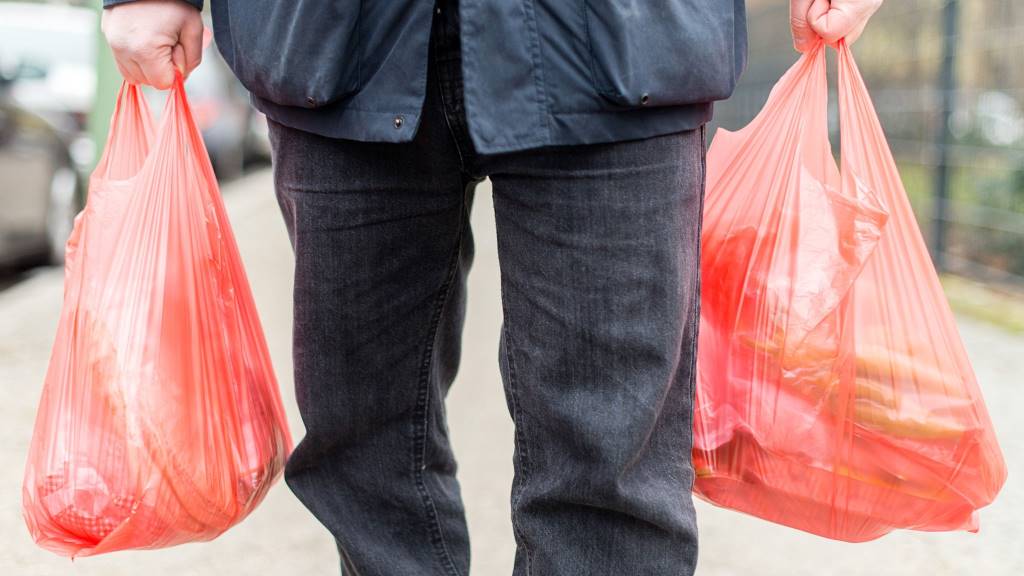
Incorporating single use bag protection into your routine is simpler than you might think. Start by investing in a few high-quality reusable bags and keeping them accessible—store them in your car, purse, or near your front door. When shopping, politely decline plastic bags and use your own. To stay motivated, set a goal to avoid single use bags for a week and track your progress.
For businesses, offering incentives like discounts for customers using reusable bags can encourage sustainable habits. Additionally, educate others about the impact of plastic bags through conversations or social media. I started carrying a foldable reusable bag after forgetting one during a grocery trip, and it’s now a habit I barely think about. Communities can also advocate for local bans on single use bags, as many cities have done successfully. These small steps collectively create a ripple effect for a greener future.
Common Mistakes to Avoid in Single Use Bag Protection
While adopting single use bag protection is straightforward, there are pitfalls to avoid. Here are common mistakes and how to steer clear:
- Forgetting Reusable Bags: Always keep bags in convenient locations, like your car or bag, to avoid relying on plastic.
- Choosing Low-Quality Alternatives: Invest in durable reusable bags to prevent frequent replacements, which can negate environmental benefits.
- Ignoring Local Regulations: Some areas have specific recycling or composting rules for biodegradable bags. Check local guidelines to ensure proper disposal.
- Overlooking Hidden Plastics: Some “eco-friendly” bags contain plastic coatings. Verify materials before purchasing.
Avoiding these mistakes ensures your efforts are effective. For example, I once bought a “biodegradable” bag that wasn’t compostable, wasting my investment. By staying informed and prepared, you can maximize the impact of your single use bag protection efforts and contribute to a sustainable lifestyle.
The Role of Policy in Single Use Bag Protection
Government policies play a crucial role in advancing single use bag protection. Many regions have implemented bans or taxes on plastic bags to curb their use. For instance, a 2021 study by the National Bureau of Economic Research found that plastic bag bans reduced usage by 70% in areas where they were enforced. These policies encourage consumers to adopt reusable alternatives and hold businesses accountable.
However, policy effectiveness depends on public support and enforcement. Communities can advocate for stronger regulations by attending local council meetings or signing petitions. Businesses can also align with these policies by offering sustainable options. While policies vary by region, their collective impact reduces plastic waste significantly. Supporting and complying with these regulations amplifies the benefits of individual efforts, creating a broader movement toward single use bag protection and environmental sustainability.
Explore Now:
- How to Style Iconic Bags with Everyday Outfits
- July’s Luxury Bag of the Month – Wear It Like This
- Which Luxury Bag Holds More? Brand Size Comparison Guide 2025
Fascinating Facts About Single Use Bag Protection
Single use bag protection is not just practical—it’s also fascinating. Did you know that a single plastic bag can take up to 1,000 years to decompose? Yet, many are used for just minutes before being discarded. Additionally, some countries, like Rwanda, have completely banned single use plastic bags, inspiring global change. Another intriguing fact is that reusable bags can save thousands of plastic bags over their lifetime, drastically cutting waste.
These facts highlight the urgency and potential of sustainable practices. I was amazed to learn during a community cleanup that one reusable bag can replace up to 700 plastic bags annually. Such statistics underscore the power of collective action. By sharing these insights, we can fascinate others and inspire them to join the movement for single use bag protection, making sustainability an engaging and achievable goal.
Conclusion
Single use bag protection is a powerful way to combat plastic pollution and promote sustainability. By understanding the environmental impact, adopting reusable alternatives, and supporting policies, we can create a greener future. Each small action, like carrying a reusable bag or advocating for local bans, contributes to a larger impact. The benefits—cleaner ecosystems, reduced waste, and cost savings—are within reach for everyone. Let’s commit to sustainable habits and inspire others to do the same. Share your thoughts or experiences in the comments below, or spread this article to raise awareness about single use bag protection. Together, we can make a difference!
FAQs
What are single use plastic bags?
Single use plastic bags are disposable bags, typically made from polyethylene, used once for carrying goods before being discarded.
Why is single use bag protection important?
It reduces plastic waste, protects wildlife, conserves resources, and lowers carbon emissions, fostering a healthier environment.
What are the best alternatives to single use bags?
Reusable bags made from cotton, jute, or recycled materials are durable and eco-friendly options for everyday use.
How can I remember to use reusable bags?
Keep reusable bags in your car, purse, or near your door, and set reminders to build the habit.
How do plastic bag bans help the environment?
Bans reduce plastic waste by up to 70%, encouraging reusable alternatives and decreasing pollution.