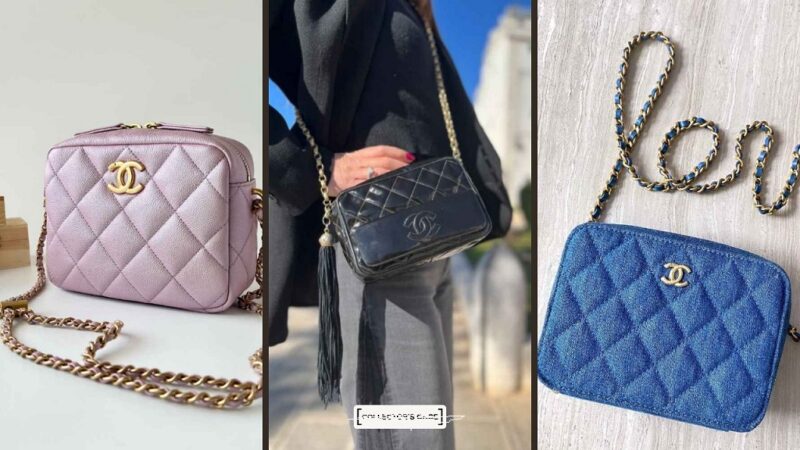
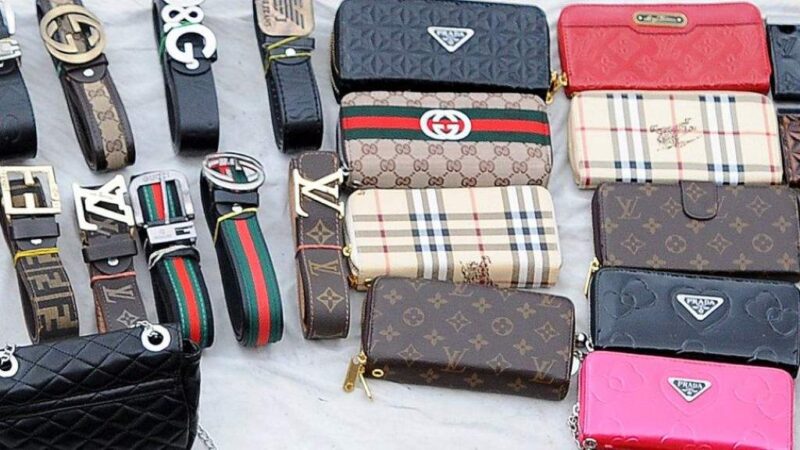
Luxury bags symbolize style and status, but counterfeit luxury bags flood the market, deceiving buyers. These fake bags mimic high-end brands, offering a tempting price but poor quality. Many shoppers unknowingly purchase counterfeits, risking money and disappointment. According to a 2023 OECD report, the global counterfeit goods trade reached $464 billion annually, with luxury bags being a top target. Understanding how to spot fakes is crucial before buying. This guide explores the risks of counterfeit luxury bags, how to identify them, and tips to shop safely. Whether you’re a fashion enthusiast or a first-time buyer, knowing these details ensures you invest wisely.
Why Counterfeit Luxury Bags Are a Growing Problem
The rise of counterfeit luxury bags stems from high demand for designer goods. Shoppers crave brands like Gucci or Louis Vuitton but often can’t afford them. Counterfeiters exploit this by producing fakes that look convincing at a glance. These bags flood online marketplaces and street vendors, making it hard to distinguish real from fake. The U.S. Customs Service reported seizing $1.2 billion in counterfeit goods in 2022, with handbags topping the list.
Moreover, technology has made counterfeiting easier. Advanced printing and stitching mimic authentic designs closely. However, these bags often use cheap materials, leading to quick wear and tear. Buying fakes also supports illegal activities like organized crime. Shoppers must stay vigilant to avoid wasting money on subpar products.
How to Spot Counterfeit Luxury Bags
Spotting counterfeit luxury bags requires keen attention to detail. Authentic bags feature flawless craftsmanship, while fakes often show flaws. Check the stitching—genuine bags have even, tight stitches, while counterfeits may have loose or uneven ones. Logos and brand stamps should be crisp, not blurry. Additionally, luxury brands use high-quality materials like real leather, unlike the synthetic materials in fakes.
Examine the hardware, such as zippers and clasps. Authentic bags use sturdy, branded metal, while counterfeits often use lightweight, unbranded pieces. Serial numbers and authenticity cards are also key. For example, Chanel bags include a unique serial number matching the authenticity card. Always buy from reputable sellers to reduce risks. Comparing these details helps you avoid scams.
Common Red Flags to Watch For
- Inconsistent Logos: Misaligned or misspelled brand names signal a fake.
- Poor Packaging: Luxury bags come with high-quality dust bags and boxes.
- Suspicious Pricing: If the price seems too good to be true, it likely is.
Risks of Buying Counterfeit Luxury Bags
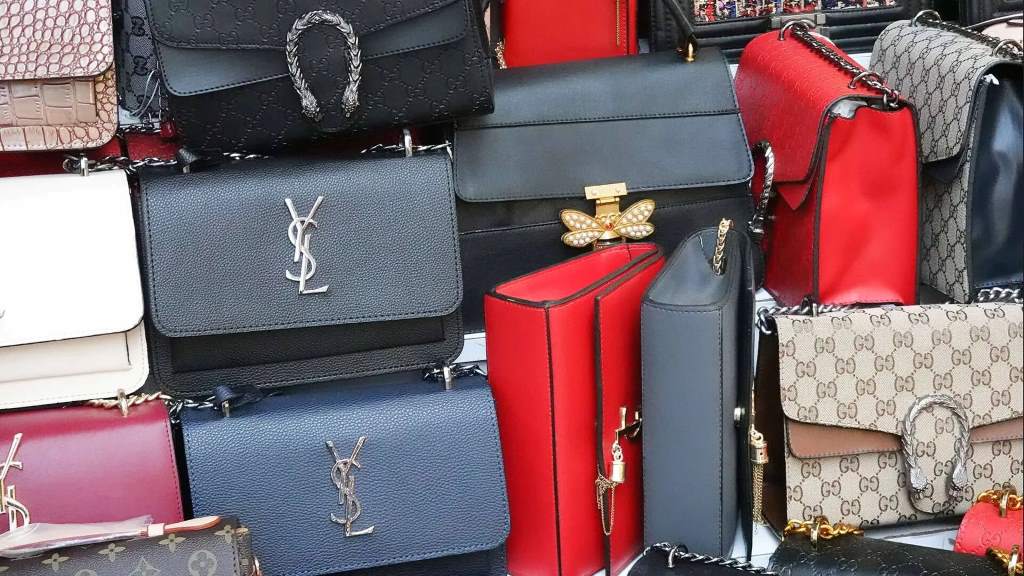
Buying counterfeit luxury bags carries significant risks. First, you lose money on a low-quality product. Fakes wear out quickly, with peeling leather or broken zippers. A personal experience taught me this lesson—I once bought a “designer” bag online, only to find the straps fraying within weeks. The disappointment stung more than the cost.
Additionally, counterfeits harm your reputation. Carrying a fake bag can embarrass you in fashion-conscious circles. More seriously, purchasing fakes funds illegal operations. A 2021 UN report linked counterfeit goods to organized crime networks. Finally, fakes lack resale value, unlike authentic bags, which often appreciate. Knowing these risks encourages smarter shopping decisions.
Where Counterfeit Luxury Bags Are Sold
Counterfeit luxury bags thrive in unregulated markets. Online platforms like shady websites or social media marketplaces are hotspots for fakes. These sellers use glossy photos to lure buyers, but the product rarely matches. Street vendors in tourist areas also peddle counterfeits, often claiming they’re “authentic overruns.”
However, even legitimate-looking retailers can sell fakes. Some secondhand stores or consignment shops may unknowingly stock counterfeits. Always research the seller’s reputation and read reviews. Trusted retailers like Nordstrom or brand boutiques are safer bets. Checking return policies and authenticity guarantees before buying adds protection. Staying cautious about where you shop reduces the chance of getting scammed. Explore The Most Coveted Limited Edition Designer Bags of All Time.
Tips to Avoid Buying Counterfeit Luxury Bags
Avoiding counterfeit luxury bags starts with research. Buy directly from brand stores or authorized retailers like Saks Fifth Avenue. These sources guarantee authenticity. If shopping secondhand, use platforms like The RealReal, which authenticates items before listing. Always request authenticity documents, like receipts or certificates.
Next, educate yourself on brand-specific details. For instance, Hermès bags have a blind stamp indicating the year of production. Compare the bag to images on the brand’s official website. If buying online, ask for detailed photos and avoid deals that seem too cheap. Using these tips, you can shop confidently and avoid counterfeit pitfalls.
Steps to Verify Authenticity
- Check brand-specific markers, like serial numbers or logos.
- Buy from reputable retailers with authenticity guarantees.
- Consult experts or authentication services for high-value purchases.
The Legal and Ethical Issues of Counterfeits
Counterfeit luxury bags raise legal and ethical concerns. Producing and selling fakes violates trademark laws, harming brands’ reputations. In the U.S., authorities can seize counterfeit goods and fine sellers heavily. Buyers may also face legal issues in some countries for knowingly purchasing fakes.
Ethically, counterfeits exploit workers in unsafe factories and fund illegal activities. Supporting fakes hurts designers who invest in quality and innovation. Instead, consider buying pre-owned authentic bags or affordable luxury alternatives. These choices align with ethical shopping and protect your wallet. Making informed decisions supports fair practices in the fashion industry.
Conclusion
Counterfeit luxury bags tempt shoppers with low prices, but the risks outweigh the savings. From poor quality to legal issues, fakes disappoint and deceive. By learning to spot counterfeit luxury bags, you protect your investment and reputation. Always shop from trusted sources and verify authenticity to ensure you get the real deal. According to the OECD, counterfeits cost brands billions yearly, impacting the economy. Stay informed, shop smart, and avoid scams. Have you ever encountered a fake bag? Share your story in the comments or spread this guide to help others shop wisely!
FAQs
How Can I Tell if a Luxury Bag Is Fake?
Check stitching, logos, and hardware. Authentic bags have precise craftsmanship, while fakes show flaws.
Are Counterfeit Luxury Bags Illegal to Buy?
In some countries, knowingly buying fakes can lead to fines. It also supports illegal activities.
Where Should I Buy Authentic Luxury Bags?
Purchase from brand stores, authorized retailers, or trusted platforms like The RealReal for safety.
Why Are Counterfeit Luxury Bags So Common?
High demand and advanced counterfeiting technology make fakes widespread, especially online.
Can I Resell a Counterfeit Luxury Bag?
No, fakes have no resale value and may lead to legal issues if sold.
Have you spotted a fake bag before? Drop a comment below or share this article to help others avoid counterfeit luxury bags!