

Hitting the trail for a backpacking adventure is an incredible experience – escaping the everyday, breathing fresh air, and witnessing breathtaking landscapes. But as night falls, your comfort, warmth, and even safety hinge on a crucial piece of gear: your sleeping bag. For many aspiring or seasoned backpackers, however, equipping themselves can feel daunting, especially when looking at the price tags on high-end gear. Fear not! Finding a reliable, warm, and packable sleeping bag without emptying your wallet is entirely possible.
This guide is your companion in navigating the world of affordable backpacking sleep systems. We’ll break down exactly what makes a great budget sleeping bag, what compromises you might encounter (and how to mitigate them), and highlight some of the top contenders currently available. Let’s dive into finding that perfect balance of performance, weight, and price, ensuring your nights under the stars are cozy, not costly.
Why Opt for a Budget Backpacking Sleeping Bag?
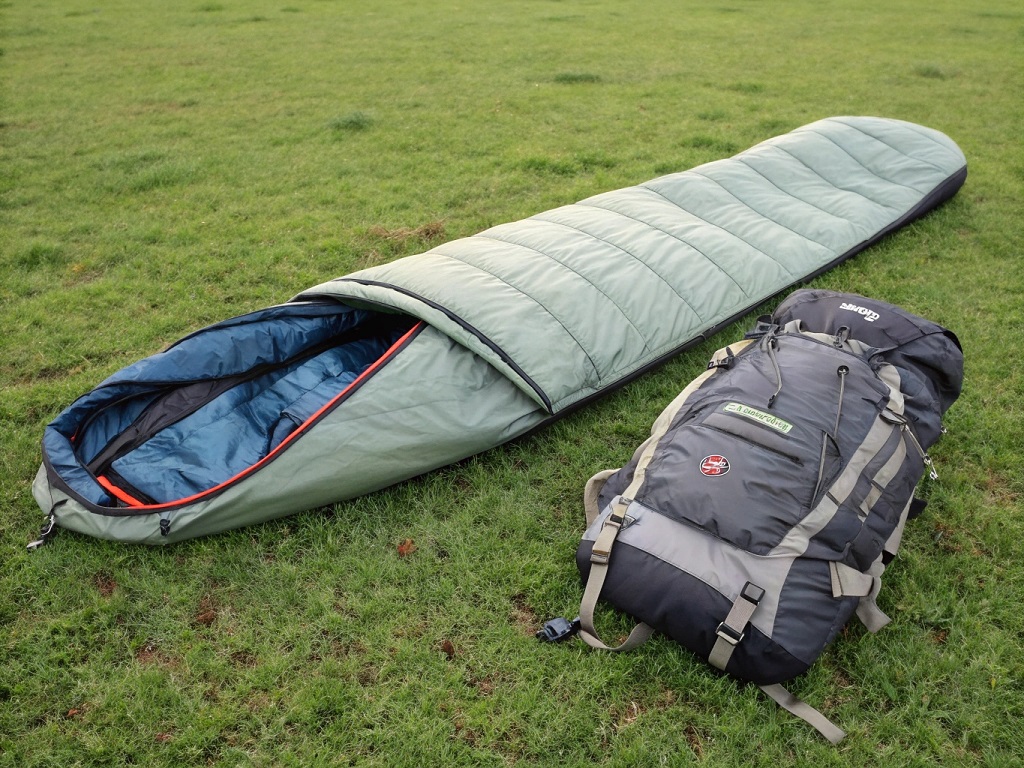
The appeal of a budget-friendly sleeping bag is straightforward: accessibility. Backpacking shouldn’t be exclusive to those who can afford top-tier, feather-light gear costing hundreds, sometimes thousands, of dollars.
Here’s why focusing on budget options makes sense for many:
- New Backpackers: If you’re just dipping your toes into the world of multi-day hiking, investing heavily upfront might not be practical. A quality budget bag lets you experience backpacking without a massive financial commitment. You can always upgrade later if you fall in love with the trail (and chances are, you will!).
- Occasional Trekkers: Maybe you only manage a few backpacking trips a year. A reliable budget bag can serve you well for those adventures without sitting expensively idle most of the time.
- Growing Adventurers: Young backpackers or students often operate on tighter budgets. Affordable gear makes the outdoors more accessible.
- Prioritizing Other Gear: Sometimes, you might choose to allocate more of your budget towards other critical items like a durable tent, a comfortable pack, or essential safety equipment, seeking value in your sleep system.
The good news is that “budget” doesn’t automatically mean “bad.” Many reputable outdoor brands offer entry-level or mid-range sleeping bags that leverage smart design, reliable synthetic insulation, or cost-effective down to deliver solid performance where it counts. The key is knowing what to look for and understanding the potential trade-offs.
Decoding the Specs: Key Factors When Choosing Your Budget Backpacking Sleeping Bag
Shopping for a sleeping bag involves navigating a landscape of technical terms and ratings. Understanding these is crucial, especially when balancing features against cost. Let’s break down the essentials:
Temperature Rating (The Most Crucial Factor)
This tells you the lowest temperature at which the bag is designed to keep an average sleeper comfortable. However, it’s not quite that simple. Look for bags using the EN (European Norm) or ISO (International Organization for Standardization) 23537 testing standards. These provide more reliable, standardized ratings than vague manufacturer claims. You’ll typically see two main ISO/EN ratings:
- Comfort Rating: The lowest temperature at which the average woman (or “cold sleeper”) is expected to sleep comfortably. This is generally the most important rating to consider for most people.
- Lower Limit Rating (or Transition Rating): The lowest temperature at which the average man (or “warm sleeper”) can sleep in a curled position without shivering. Sleeping near this limit might feel chilly.
- Extreme Rating: A survival-only rating indicating the minimum temperature a standard woman can remain for six hours without risk of death from hypothermia. Never rely on this rating for planning comfort.
Budget Tip: Always err on the side of caution. Choose a bag with a comfort rating that’s about 10-15°F (around 5-8°C) lower than the coldest nighttime temperatures you realistically expect to encounter. Remember, factors like your sleeping pad’s insulation, what you wear to bed, your metabolism, hydration, and recent food intake all affect how warm you sleep. Budget bags might sometimes be slightly optimistic with their ratings, so that extra buffer is wise. For typical 3-season backpacking (spring, summer, fall) in moderate climates, a bag with a comfort rating around 20°F to 30°F (-7°C to -1°C) is a versatile starting point.
Insulation Type: Down vs. Synthetic
This is a major differentiator, especially in budget bags.
- Down Insulation: Made from the fluffy under-plumage of geese or ducks.
- Pros: Incredible warmth-to-weight ratio (warmer for its weight), highly compressible (packs down small), excellent durability (lasts many years with proper care).
- Cons: Significantly more expensive, loses insulating ability dramatically when wet and takes a long time to dry, requires specialized cleaning.
- Budget Reality: Finding true high-quality down in a budget bag is rare. However, some excellent budget options use lower fill-power down (like 550-650 fill-power) which is heavier and less compressible than premium down (800+ fill-power) but still offers good performance and often beats synthetic options at a similar price point, especially regarding packability. Look for RDS (Responsible Down Standard) certification for ethical sourcing.
- Synthetic Insulation: Made from polyester fibers engineered to trap heat.
- Pros: Much more affordable, retains significant insulating ability even when damp and dries relatively quickly, hypoallergenic, easier to clean.
- Cons: Heavier and bulkier than down for the same warmth rating, generally less durable over the long term (fibers can break down and lose loft after repeated compression).
- Budget Reality: Most budget backpacking sleeping bags utilize synthetic insulation. Modern synthetics (like HL-ElixR™ Eco Micro, or proprietary blends) offer impressive performance, mimicking some of down’s properties better than older versions. This is often the most practical choice for budget-conscious backpackers, especially those venturing into potentially damp conditions.
The Verdict for Budget Backpackers: While a bag like the Kelty Cosmic Down offers excellent value using down, high-quality synthetic insulation is often the star in the budget category. It provides reliable warmth, moisture resistance, and affordability, making it a workhorse for many adventurers.
Weight and Packability
Every ounce and every cubic inch matters when you’re carrying everything on your back.
- Weight: Backpacking sleeping bags aim to be light. Premium bags can weigh well under 2 pounds (900g). Budget bags, especially synthetic ones, often weigh more, typically ranging from 2.5 lbs to over 4 lbs (1.1kg to 1.8kg+).
- Packability (Packed Size): How small the bag compresses into its stuff sack. Down compresses incredibly well. Synthetics are inherently bulkier. A budget synthetic bag might take up significantly more space in your pack than a premium down bag with the same temperature rating.
Budget Consideration: This is often where the biggest trade-off occurs. To keep costs down, manufacturers might use heavier fabrics or less advanced (bulkier) synthetic fills. Be realistic about how much weight you’re willing to carry and how much space you have in your backpack. Look for bags that include a compression stuff sack – this can significantly shrink the packed volume. A bag weighing around 3 lbs (1.3-1.4 kg) is often a reasonable target for a budget 3-season backpacking bag.
Shape and Fit
The shape affects warmth and comfort.
- Mummy Bags: Tapered from shoulders to feet, with a snug hood. This shape is the most thermally efficient because there’s less dead air space for your body to heat. It’s also generally lighter and more packable due to less material. This is the standard shape for backpacking bags.
- Rectangular Bags: Like your bedding at home. Very roomy but thermally inefficient and bulky/heavy. Generally unsuitable for backpacking.
- Semi-Rectangular (or Barrel): A compromise, offering more wiggle room than a mummy but better warmth and packability than a rectangular bag. Can be a good option for those who feel restricted in mummy bags but still need backpacking performance.
Fit: Ensure the bag is the right length and girth. Too long/wide, and you’ll waste energy heating empty space. Too short/tight, and you’ll compress the insulation (reducing warmth) and feel constricted. Most bags come in Short, Regular, and Long sizes, often with women’s specific versions (typically shorter, narrower shoulders, wider hips, potentially more insulation in key areas). Check the manufacturer’s sizing charts.
Materials and Durability
- Shell Fabric: Usually nylon or polyester, often with a DWR (Durable Water Repellent) finish to shed light moisture and condensation. Denier (D) indicates fabric thickness/durability (e.g., 20D is lighter but potentially less abrasion-resistant than 50D). Budget bags might use slightly heavier, more robust fabrics.
- Lining Fabric: Soft-touch materials (often taffeta) for comfort against the skin.
- Zippers: Look for reputable brands like YKK. Anti-snag designs are a huge plus. Full-length zippers offer versatility for venting.
- Construction: Quality stitching and baffle design (how the insulation is held in place) prevent cold spots. Offset quilt construction or trapezoidal baffles are good signs.
Budget Watch-Out: While many budget bags are well-made, pay attention to zipper quality and stitching, as these can be failure points on cheaper models. Look for reviews commenting on long-term durability.
Extra Features
Budget bags might skimp on extras, but some useful features to look for include:
- Draft Collar: An insulated tube around the neck/shoulder opening to seal in warmth.
- Zipper Draft Tube: An insulated flap running alongside the zipper to prevent heat loss.
- Hood Cinch: Allows you to tighten the hood around your face.
- Stash Pocket: A small internal or external pocket for a phone, headlamp, or tissues.
- Pillow Pocket: A sleeve in the hood to stuff clothes into, creating a makeshift pillow.
Top Budget Backpacking Sleeping Bag Recommendations for 2025
Based on current reviews, specifications, and value, here are some of the best budget backpacking sleeping bags consistently earning high marks (prices are approximate and can vary):
-
Kelty Cosmic Down 20/30 (°F)
- Insulation: 550-fill-power DriDown™ (RDS Certified, treated for water resistance)
- ISO Ratings (Regular 20°F): ~31°F Comfort / ~20°F Limit (Check specific model year)
- Weight (Regular 20°F): ~2 lbs 7 oz (1.1 kg)
- Packed Size: Relatively compressible for a budget bag due to down.
- Price: ~$160 – $190
- Pros: Excellent value for a down bag, good warmth-to-weight for the price, relatively packable, comfortable trapezoidal baffle construction, uses recycled fabrics and PFAS-free DWR.
- Cons: 550-fill down isn’t as light or compressible as premium down, actual comfort might be closer to 30°F for cold sleepers despite the “20” name.
- Ideal For: Backpackers wanting the benefits of down (packability, longevity) at an affordable price point for 3-season use. Often cited as the best overall budget pick.
-
REI Co-op Trailmade 20 (°F)
- Insulation: Recycled Polyester Synthetic
- ISO Ratings: ~31°F Comfort / ~20°F Limit
- Weight (Regular): ~3 lbs 4 oz (1.47 kg)
- Packed Size: Bulkier than the Cosmic Down.
- Price: ~$100
- Pros: Extremely affordable, uses recycled materials (bluesign® approved), reliable synthetic warmth even if damp, roomy cut, decent features (draft tube, face muffler, stash pocket).
- Cons: Heavy and bulky compared to down or higher-end synthetics, comfort rating might be optimistic for very cold sleepers near freezing.
- Ideal For: Beginners, budget-first buyers, car campers who occasionally backpack, those prioritizing eco-friendly materials at a low price. A true workhorse value.
-
Marmot Trestles Elite Eco 20 (°F)
- Insulation: HL-ElixR™ Eco Micro synthetic (100% recycled)
- EN Ratings: ~32°F Comfort / ~22°F Limit
- Weight (Regular): ~2 lbs 6 oz (1.08 kg) – Note: Some sources list higher weights (~38oz/2.37lbs), verify spec for the exact model year. The lighter weight would be exceptional for a budget synthetic. If heavier, it’s more typical.
- Packed Size: Moderate compressibility for a synthetic.
- Price: ~$170 (Often found on sale ~$130-$140)
- Pros: Excellent warmth-to-weight if the lighter spec is accurate, great eco-credentials (fully recycled), good feature set (anatomical footbox, secondary short zipper for venting, anti-snag slider), performs well in damp conditions.
- Cons: Can be heavier/bulkier than down options, synthetic insulation may lose loft faster than down over many years. Verify weight spec if buying.
- Ideal For: Eco-conscious backpackers wanting a solid performing synthetic bag with good features, especially if found on sale. A strong competitor to the Cosmic Down if weight/bulk isn’t the absolute top priority or if damp conditions are expected.
-
TETON Sports TrailHead +20°F
- Insulation: Unspecified Synthetic Microfiber
- Temperature Rating: +20°F (-7°C) – Note: This is likely a Lower Limit rating, not EN/ISO tested Comfort. Expect comfort closer to 30-35°F+.
- Weight (Regular): ~2.9 lbs (1.32 kg)
- Packed Size: Decently compressible with included stuff sack, but still bulkier than premium options.
- Price: ~$70 – $85
- Pros: Extremely low price point, surprisingly durable for the cost, includes compression sack, roomy footbox.
- Cons: Temperature rating is likely optimistic (treat as a 30-35°F comfort bag), heavier and bulkier than backpacking-specific models, basic materials and features.
- Ideal For: Very tight budgets, beginners doing fair-weather trips, car camping transitioning to occasional short backpacking. Manage expectations regarding warmth and weight.
Other Potential Considerations:
- Alpkit (UK/EU): Models like the Cloud Peak offer great value synthetics.
- Forclaz/Quechua (Decathlon): Often provide surprisingly good performance-to-price ratios, especially their MT series synthetic bags.
- Sales and Outlets: Keep an eye on REI Outlet, Backcountry, Sierra Trading Post, etc., for deals on slightly older models from reputable brands.
Maximizing Warmth: Getting the Most Out of Your Budget Sleeping Bag
Even the best budget bag can feel cold if not used correctly. Here’s how to stay toasty:
- Invest in a Good Sleeping Pad: This is NON-NEGOTIABLE. Your sleeping bag insulation gets compressed underneath you, providing little warmth. The pad insulates you from the cold ground. Look for the R-value – higher numbers mean more insulation. For 3-season backpacking, aim for an R-value of at least 2.5-4. For colder temps, 4+. An inflatable insulated pad is often the best balance of warmth, comfort, and packability.
- Wear Dry Base Layers: Sleep in clean, dry, moisture-wicking base layers (merino wool or synthetic, NOT cotton). Add socks and a beanie in colder weather. Don’t wear too many bulky layers inside the bag, as this can compress the insulation. Let the bag do its job.
- Use a Sleeping Bag Liner: A silk, fleece, or synthetic liner can add 5-15°F (3-8°C) of warmth, keeps your bag cleaner (reducing washes), and adds minimal weight/bulk.
- Eat and Hydrate Before Bed: Your body generates heat digesting food. A warm (non-caffeinated) drink can also help.
- Keep Gear Inside: Bring clothes or gear you want warm in the morning inside the tent (or even inside the bag if there’s space) to fill dead air and benefit from your body heat.
- Fluff Your Bag: Upon arrival at camp, unpack your sleeping bag and let it loft up for as long as possible before bedtime. Shake it gently.
- Store Properly: Never store your sleeping bag compressed in its stuff sack long-term. Hang it up or keep it loosely packed in a large mesh storage sack (often included) to preserve the insulation’s loft.
Where to Sniff Out the Deals: Finding Your Budget Bag
- Major Outdoor Retailers: REI, Backcountry, Moosejaw often have dedicated sections or sales events. REI’s house brand (like the Trailmade) offers excellent value.
- Online Marketplaces: Amazon carries many brands, including budget-focused ones like TETON Sports. Be sure to buy from reputable sellers.
- Brand Direct: Check the websites of brands like Kelty, Marmot, etc., especially their sales or clearance sections.
- Discount Retailers: Sierra Trading Post, Steep & Cheap (Backcountry’s outlet) can have great deals on past-season models.
- Used Gear: REI Used Gear, local gear swaps, or online forums can yield bargains, but inspect carefully for condition (loft, smells, tears, zipper function). Be cautious with used down bags unless you know their history.
- Decathlon (if available): Forclaz and Quechua brands offer highly competitive pricing.
Read More Also: Don’t Let a Busted Zipper Ruin Your Round: Your Ultimate Guide to Fixing Golf Bag Zippers
People Also Ask (FAQs) About Budget Backpacking Sleeping Bags
Q1: How much should I realistically expect to spend on a good budget backpacking sleeping bag?
A: You can find very basic, usable options like the TETON Sports TrailHead for under $100. However, the sweet spot for balancing performance, weight, and features often lies between $100 and $200. In this range, you’ll find excellent synthetic options (REI Trailmade, Marmot Trestles Eco) and even entry-level down bags (Kelty Cosmic Down).
Q2: Is down or synthetic insulation better for a budget backpacking bag?
A: Synthetic insulation is generally the more practical choice for most budget backpackers. It’s more affordable, handles moisture better, and is easier to care for. While options like the Kelty Cosmic Down offer great value for down, most bags under $150-$200 will use synthetic fill. Modern synthetics provide good warmth for their cost, though they are typically heavier and bulkier than down.
Q3: What temperature rating do I actually need?
A: Focus on the ISO/EN Comfort Rating. Choose a bag with a comfort rating 10-15°F (5-8°C) colder than the lowest nighttime temperature you anticipate. For general 3-season backpacking (not winter), a 20°F to 30°F (-7°C to -1°C) comfort-rated bag is a versatile starting point for most moderate climates. Always check forecasts and consider your personal sleep temperature (warm or cold sleeper).
Q4: Can I just use my regular car camping sleeping bag for backpacking?
A: Generally, no. Car camping bags are usually rectangular, heavy, extremely bulky, and not designed for warmth efficiency relative to their weight/size. Trying to strap a typical car camping bag to a backpack is impractical and uncomfortable. Backpacking requires gear optimized for low weight and small packed size.
Q5: What are the biggest compromises with budget sleeping bags?
A: The most common trade-offs are increased weight and larger packed size compared to premium bags with the same temperature rating. They might also use slightly less durable materials, have fewer features (like premium zippers or complex baffle designs), or potentially have temperature ratings that aren’t quite as accurate at the lower end compared to meticulously tested high-end bags.
Q6: How do I care for my budget sleeping bag to make it last?
A: Store it uncompressed (hang or use a large storage sack). Keep it clean by using a liner and spot cleaning spills. Wash only when necessary using specialized cleaner (down wash or tech wash for synthetics) in a front-loading machine on a gentle cycle, or by hand. Tumble dry on low heat with clean tennis balls (especially for down) or air dry thoroughly. Proper care significantly extends the life and performance of any sleeping bag.
Read More Also: How to Make a Bag More Structured: Transform Your Slouchy Tote Today
Conclusion: Sleep Soundly Without Breaking the Bank
Embarking on backpacking adventures doesn’t require investing a fortune in gear. Thanks to advancements in materials and design, finding a high-quality, best budget sleeping bag for backpacking is more achievable than ever. By understanding key factors like temperature ratings (look for ISO/EN Comfort!), the pros and cons of down versus synthetic insulation, and the unavoidable trade-offs in weight and packability, you can make an informed choice.
Models like the versatile Kelty Cosmic Down 20, the eco-conscious and reliable Marmot Trestles Elite Eco 20, and the incredibly affordable REI Co-op Trailmade 20 prove that warmth, reasonable weight, and smart features are accessible without a premium price tag. Even ultra-budget options like the TETON Sports TrailHead can get you started in fair weather if funds are extremely limited.
Remember to pair your chosen bag with an adequately insulated sleeping pad, employ smart layering techniques, and care for your gear properly. With the right budget sleeping bag, you’ll be well on your way to enjoying comfortable, restorative nights on the trail, ready to embrace the adventures each new day brings. Happy backpacking!


