The Best Designer Bag Alternatives: Luxury Looks Without the Logo Price can deliver the same structured silhouette and rich leather as a four-figure designer bag for a fraction of the cost. Many shoppers love a bag’s shape and craftsmanship but balk at paying for a logo, so they want the look without the markup.
Quick answer: Focus on bags built from full-grain or pebbled leather with clean stitching and solid hardware, then buy from mid-range labels or well-reviewed leather workshops that skip heavy branding. You will usually spend $150–$600 for a bag that reads as refined in person, and the leather quality matters more than the name.
This guide compares the strongest alternatives by material, price band, and styling, weighs honest pros and cons, and helps you match a bag to your budget and daily use.
Why look for alternatives?
The clearest reason is price. A classic designer shoulder bag can cost several thousand dollars, while a well-made alternative with comparable leather often lands between $150 and $600. That gap buys the same visual polish for daily wear.
Brand markup also drives the search. A large share of a designer bag’s price reflects marketing, licensing, and logo prestige rather than raw material. When you remove the monogram, you stop paying for advertising and start paying for leather, lining, and stitching.
There is also a quieter appeal: an unbranded bag lets your own style lead rather than the label. Without a monogram drawing the eye, details like stitching, hardware finish, and silhouette do the talking, and the bag reads as considered rather than conspicuous.
Practical reasons beyond cost
Alternatives also make sense for lifestyle reasons:
- Lower risk of theft or damage. A recognizable logo invites attention, and an expensive bag is stressful to carry on commutes or trips.
- More room to rotate. You can own two or three quality bags for the price of one designer piece.
- Fewer logo clashes. Unbranded bags pair easily with any outfit and age well across seasons.
- Ethical and resale concerns. Some shoppers prefer smaller workshops or brands with clearer sourcing.
What “luxury look” really means
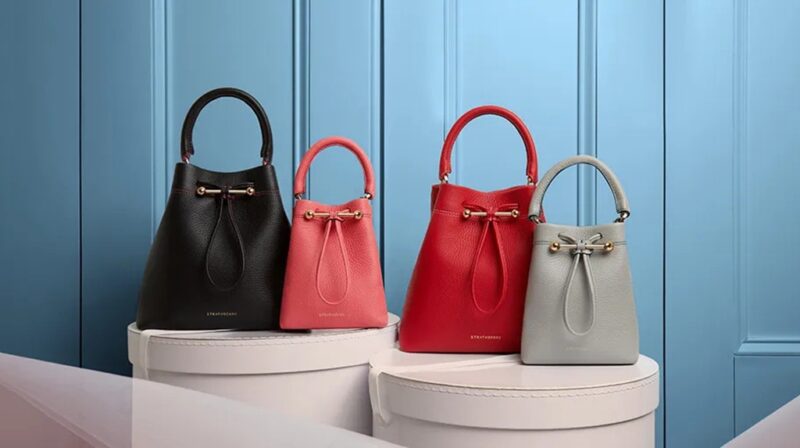
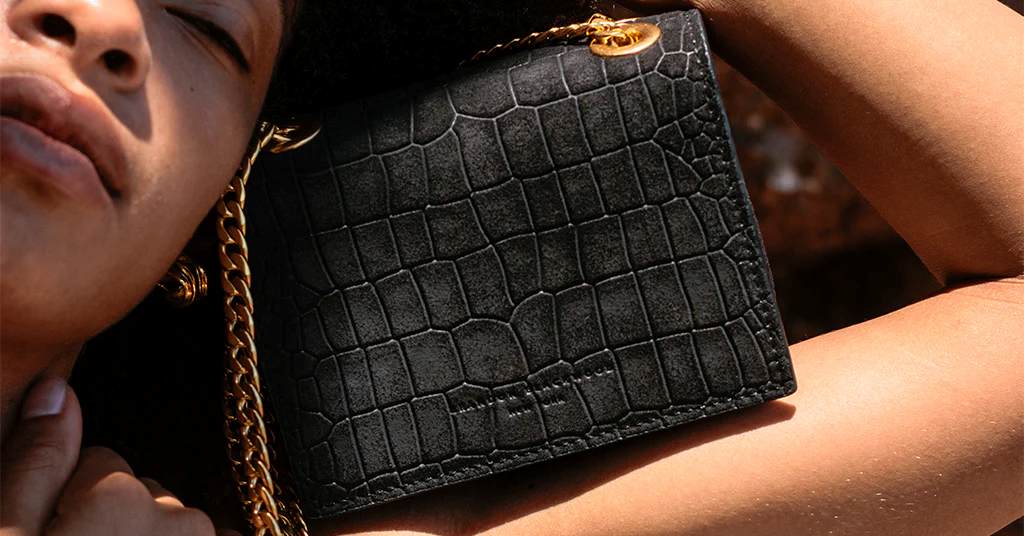
The luxury impression comes from a few visible details, not a nameplate. Look for structured shapes that hold their form, even stitching, smooth edge paint, and hardware with weight. A soft, floppy bag in thin leather rarely reads as premium, no matter the label.
When a designer bag still wins
An alternative is not always the answer. If resale value matters to you, certain designer styles hold value and can be resold later. Collector pieces and heritage models also carry history that a copycat look cannot match. Be honest about which of those things you actually want.
Leather looks different in person, and color accuracy varies between screens. Buy only from sellers that accept returns, so you can inspect stitching and hardware before committing.
Top alternatives at a glance
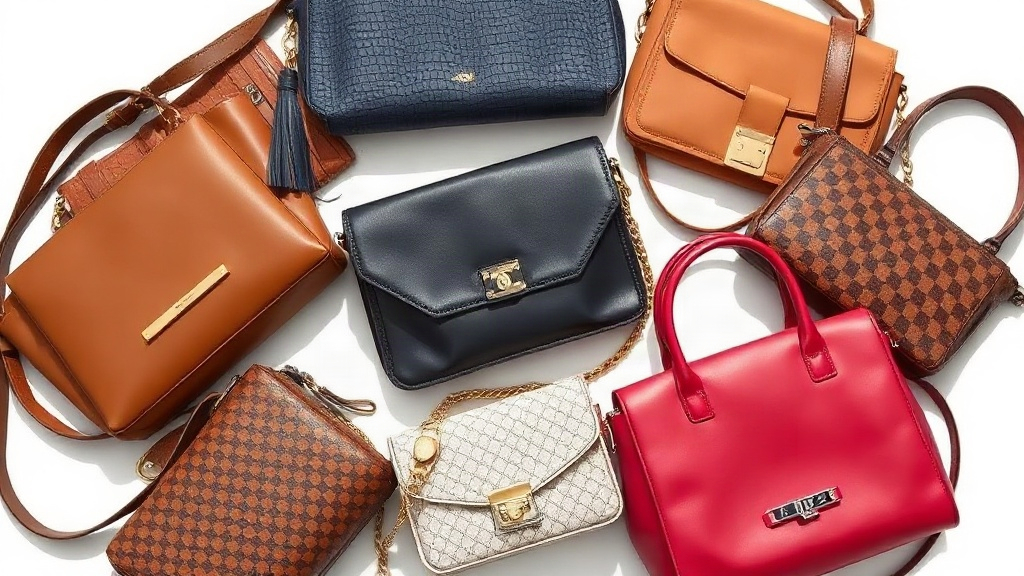
The strongest options split into four groups: mid-range leather labels, direct-to-consumer workshops, premium high-street brands, and vintage or pre-owned designer pieces. Each group trades off differently on price, quality, and status.
Comparison: main alternative types
| Option type | Typical price | Leather quality | Best for |
|---|---|---|---|
| Mid-range leather labels | $200–$500 | Full-grain or pebbled | Everyday structure |
| Direct-to-consumer workshops | $150–$350 | Varies; check specs | Budget-conscious buyers |
| Premium high-street brands | $100–$300 | Often coated or split | Trend-led styles |
| Vintage and pre-owned designer | $300–$1,500 | Original designer leather | Resale value and authenticity |
Notice the trade-offs: lower prices usually mean thinner leather or coated finishes, while pre-owned designer pieces cost more but keep genuine branding. Mid-range leather labels sit in the sweet spot for most shoppers.
Within the mid-range leather group, look for brands that publish their tannery sources and list leather type on the product page. A label that names full-grain or vegetable-tanned hide is usually confident in its materials; one that says only “genuine leather” is often hiding a lower grade. Repair policies are the other tell: a brand offering restitching or hardware replacement expects the bag to last.
Direct-to-consumer workshops deserve a closer look at their return windows and review photos rather than star ratings. Zoom in on customer images of the base corners and strap anchors, where cheap construction shows first. A workshop with a 30-day return policy and clear material specs is a safer bet than one with deep discounts and vague descriptions.
Premium high-street bags make sense as a seasonal add-on, not a workhorse. Treat them as a one-to-three-season purchase and check the finish at the folds, where coated leather tends to crack. If you spot a papery edge or a plastic sheen in person, walk away regardless of the price tag.
Pre-owned designer pieces reward patience over speed. Set saved searches for the exact model and size you want, then compare sold prices rather than asking prices to judge real value. A bag with original dust bag, authenticity cards, and a documented service history holds value best if you resell later.
The four shortlisted options
- Mid-range leather labels such as established heritage brands offer proven construction and repair services.
- Direct-to-consumer workshops cut out retail markup but require you to read material specs closely.
- Premium high-street brands deliver current shapes fast, though leather is often a weak point.
- Vintage and pre-owned designer bags blend the logo look with better value, provided you authenticate carefully.
Individual alternative reviews
Here is how each option plays out in daily use, with the honest downsides.
Keep an eye on the small parts that decide longevity: strap anchors, zipper pulls, and base feet. These are where budget bags fail first, and where a well-built alternative proves its worth within the first year of daily use.
Mid-range leather labels
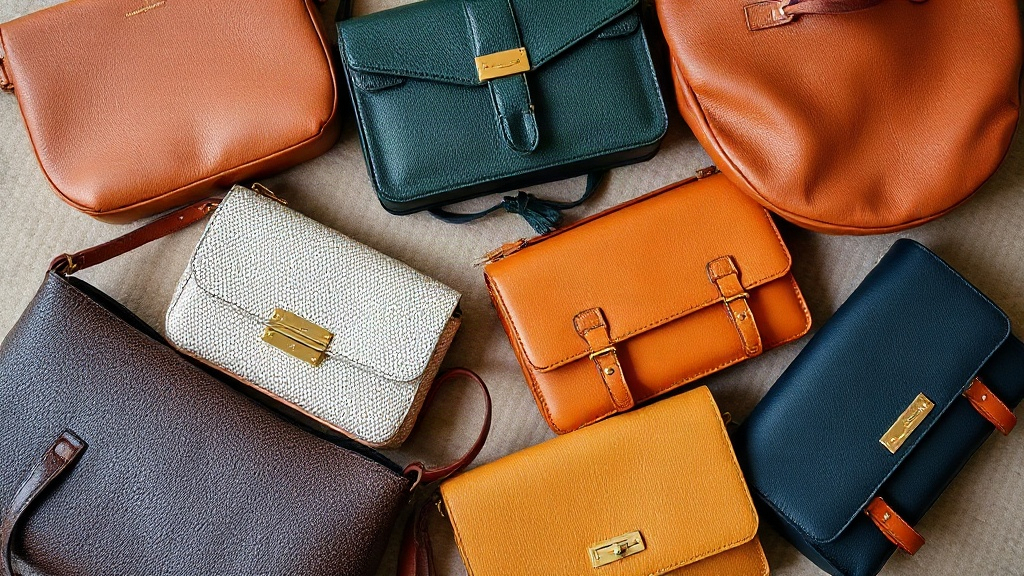
These brands use real full-grain leather, stitch by machine to a high standard, and often offer repairs. A tote or crossbody in this band can last a decade with basic care.
Pros
- Durable full-grain leather that develops a patina over time
- Reputable brands offer repair or restoration services
- Structured shapes that hold up to daily commuting
Cons
- Prices still reach the $400–$500 range for larger styles
- Fewer trend-led colors than fast-fashion rivals
Direct-to-consumer leather workshops
These sellers bypass department stores and pass savings along. The catch is uneven quality across small brands.
Pros
- Strong value, often $150–$300 for genuine leather
- Simple, unbranded designs that suit minimal wardrobes
- Easy online ordering with frequent sales
Cons
- Quality varies widely, so check reviews and material specs
- Limited physical stores make inspection harder
Premium high-street brands
High-street labels copy runway shapes quickly and price them low. They suit trend chasers who rotate bags often.
Pros
- Affordable enough to try seasonal colors and shapes
- Wide availability and easy in-store returns
Cons
- Coated or split leather that can peel within a year or two
- Weak hardware and linings that wear faster
Vintage and pre-owned designer bags
Buying pre-owned gives you the actual designer look at a discount. Authentication and condition become the main work.
Pros
- Genuine designer craftsmanship and recognizable branding
- Potential to resell without a large loss
- Access to discontinued styles no longer sold new
Cons
- Higher upfront cost than most alternatives
- Requires authentication checks and careful condition review
For most shoppers, a mid-range leather label offers the best balance of durability, price, and understated style without paying for a logo.
How to choose the right alternative
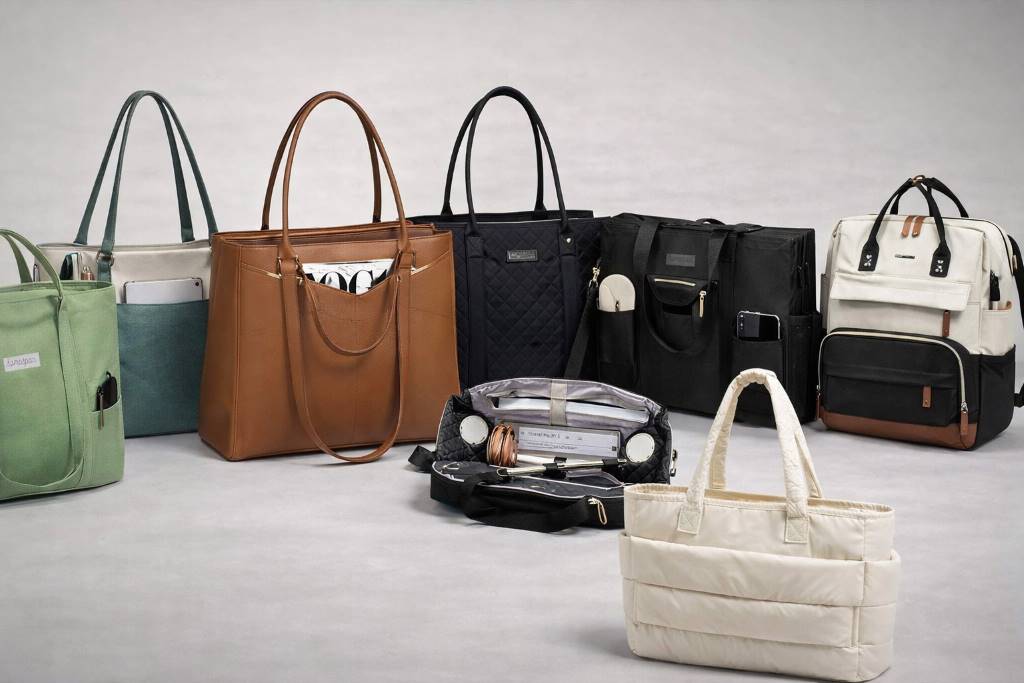
Start with how you will use the bag, because daily use demands more than occasional evenings out. A commuter tote needs structure and a secure closure; an evening bag can be softer and smaller.
Factor in the strap and closure as carefully as the leather. A thin, glued strap can fail long before the body wears out, so look for stitched and riveted attachments at the anchors. Secure closures matter too: a magnetic snap is convenient but offers little security on a crowded train, while a zip or a well-made turn-lock keeps contents safe.
Try to handle the bag before buying when you can. Fill it with your daily essentials at the store and check whether the base sags or the shape collapses once loaded. Online shoppers can approximate this by reading reviews from people who mention carrying laptops or water bottles, since those comments reveal how the structure holds up under real weight.
Match material to your climate and habits
Full-grain leather ages beautifully but needs conditioning and protection from heavy rain. Pebbled leather hides scratches well and suits busy hands. Coated canvas handles weather but looks less luxurious up close. If you carry a laptop daily, pick a structured leather or a bonded canvas that keeps its shape.
Set a budget band and stick to it
Decide your ceiling before you browse. Set a hard number, say $400, and treat anything above it as off-limits. This prevents the slow creep where a $200 bag becomes a $600 one.
Check the details that signal quality
- Stitching: even, tight, and straight along stress points
- Hardware: metal with weight that does not feel hollow
- Lining: fabric or suede rather than thin plastic
- Edges: painted or burnished, not raw and fraying
Weigh branding honestly
If you love a logo, pre-owned designer is the route. If you want the silhouette without the label, an unbranded alternative serves you better. Neither choice is wrong, but mixing the two goals usually leads to regret.
A heavy bag feels luxurious but tires your shoulder by afternoon. Lift it empty and imagine it full before you buy.
FAQ
Are expensive bag alternatives actually better quality than cheap designer copies?
Often yes, but it depends on leather type. A $250 full-grain bag usually outlasts a $60 faux-leather copy, which tends to crack at folds. Check the material label before trusting the price.
How much should I expect to spend for a convincing luxury look?
Most convincing alternatives fall between $150 and $600. Below $100, expect coated or split leather; above $600, you are often paying for branding again rather than better materials.
Is buying a pre-owned designer bag a good alternative?
It can be, if you authenticate carefully and accept some wear. Pre-owned pieces keep genuine branding and resale value, but repairs and cleaning can add cost. Budget for both.
What is the biggest mistake when shopping for bag alternatives?
Paying for a logo-free bag that uses thin leather. Many shoppers fixate on shape and miss the material. Ask for leather type and check stitching in photos before buying.
How long should a quality alternative bag last?
A well-made full-grain leather bag can last five to ten years with conditioning and proper storage. Coated or split leather usually lasts one to three years with regular use.
Conclusion
The Best Designer Bag Alternatives: Luxury Looks Without the Logo. Price comes down to material and construction, not the label. Mid-range leather labels offer the best balance for most buyers, direct-to-consumer workshops win on budget, and pre-owned designer pieces suit anyone who wants genuine branding. High-street options work for short-term trends but rarely last.
Choose one bag that fits how you actually carry it, set a firm budget, and inspect the leather and stitching before you pay. Start by shortlisting two mid-range leather labels and comparing their return policies, then buy the one whose structure suits your daily routine.