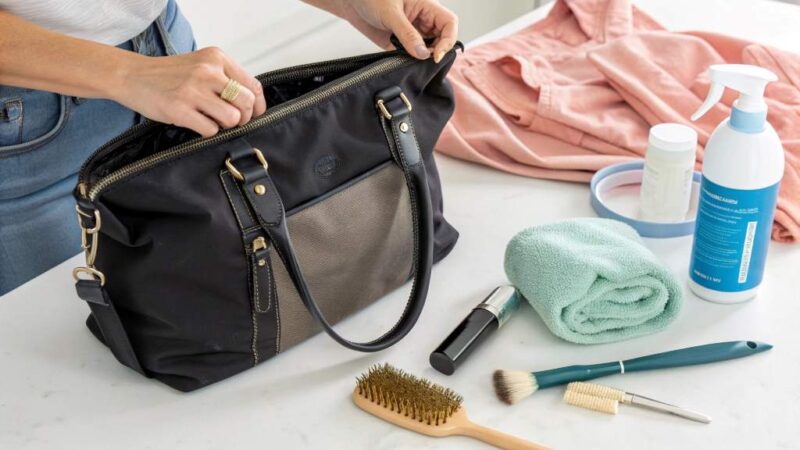

Wash gear inside Coidea mesh drawstring bags with a gentle cycle, cold water, and mild detergent. Secure the drawstring first, avoid harsh chemicals, then air-dry the bag and gear thoroughly. Two simple controls matter most: water temperature and mechanical agitation.
Mesh bags make gear washing easier because water and detergent can reach the contents. However, improper washing can stretch mesh, weaken seams, or damage drawstrings. Therefore, a careful routine protects both the gear and the bag during repeated cleaning.
What You Need Before Washing
Start by checking the bag, gear, and manufacturer’s care instructions. Different materials can tolerate different temperatures, detergents, drying methods, and washing cycles.
- Coidea mesh drawstring bag
- Cold or cool water
- Mild liquid laundry detergent
- Soft brush for stubborn dirt
- Clean towel for spot drying
- Well-ventilated drying area
Next, remove loose dirt, sand, grass, and debris from every piece of gear. Shaking the bag outdoors reduces the soil entering your washing machine.
Can You Machine Wash Gear In A Mesh Drawstring Bag?
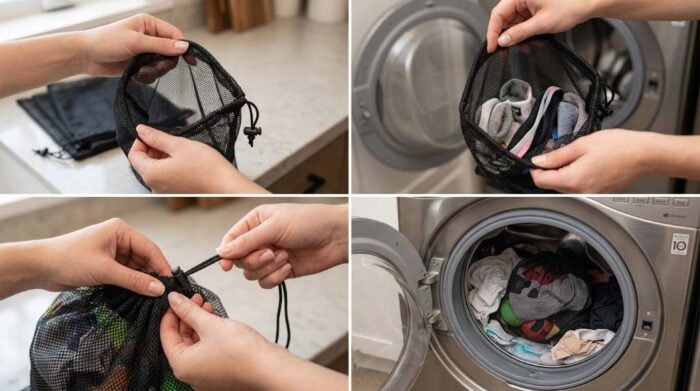
Yes, you can machine wash many washable gear items inside a mesh drawstring bag. However, the gear and bag must both tolerate machine washing before you start.
Check every item’s care label before combining different pieces. When labels conflict, follow the most restrictive instruction to reduce the risk of damage.
For delicate equipment, hand washing provides better control over friction and water temperature. Machine washing works better for durable, washable gear that needs deeper cleaning.
How To Wash Gear In Coidea Mesh Drawstring Bags
1. Inspect The Gear First
Empty every pocket, compartment, and attachment before washing the gear. Small objects can damage equipment, clog drains, or create unnecessary friction.
Then inspect zippers, straps, buckles, fasteners, and padded sections. Repair loose components before washing because movement can worsen existing damage.
2. Shake Out Loose Debris
Take the gear outdoors and shake it gently before placing it inside the mesh bag. Remove stones, dried mud, leaves, hair, and other particles by hand.
For stubborn dirt, use a soft brush with minimal pressure. Avoid aggressive scrubbing because friction can roughen some fabrics and coatings.
3. Secure The Drawstring
Place the gear inside the mesh bag without overfilling it. Leave enough room for water and detergent to circulate freely around the contents.
Pull the drawstring firmly and secure its closure before placing the bag inside the washer. A loose closure can release gear and create tangles during agitation.
4. Choose Cold Or Cool Water
Cold water provides a safer starting point for most washable synthetic gear. It also reduces unnecessary stress on fabrics, elastic components, and finishes.
Use warmer water only when the gear’s care instructions specifically allow it. High temperatures can affect adhesives, coatings, elastic materials, and certain synthetic fibers.
5. Select A Gentle Cycle
Choose the washer’s gentle or delicate cycle when the gear allows machine washing. Lower agitation reduces pulling, twisting, and repeated impact against the drum.
For durable gear, a normal cycle may work when the manufacturer’s instructions permit it. Still, gentler washing usually provides a better long-term balance between cleanliness and material preservation.
6. Add Mild Detergent
Use a small amount of mild liquid detergent suitable for the gear’s fabric. Follow the detergent manufacturer’s dosage instead of assuming more soap cleans better.
Excess detergent can leave residue inside mesh openings and on gear surfaces. Therefore, avoid adding extra detergent when the load looks heavily soiled.
Avoid bleach, strong stain removers, fabric softeners, and harsh chemicals unless the gear manufacturer specifically approves them. These products can affect colors, coatings, stretch materials, or specialized finishes.
7. Wash Similar Gear Together
Group items with similar care requirements inside the mesh bag. Avoid combining delicate gear with abrasive equipment or heavy objects.
For example, lightweight athletic accessories should not share a load with heavy shoes or rigid equipment. Unequal weight can increase friction and place unnecessary strain on the bag.
8. Check The Bag After Washing
Remove the mesh bag soon after the cycle finishes. Leaving damp gear enclosed for hours can encourage unpleasant odors and slow evaporation.
Open the drawstring and inspect the mesh, seams, cord, and closure. Look for stretched openings, loose stitching, broken fibers, or damaged hardware.
When Hand Washing Makes More Sense
Hand washing offers better control when gear contains delicate fabrics, coatings, padding, or sensitive hardware. It also helps when the care label recommends gentle manual cleaning.
Fill a clean basin with cool water and add a small amount of mild detergent. Submerge the closed mesh bag and gently move it through the water.
Let the water loosen dirt instead of aggressively scrubbing the gear. Pay extra attention to heavily soiled areas with a soft brush.
Rinse repeatedly until the water runs clear and no noticeable detergent remains. Then press excess water out gently without twisting the mesh bag.
How To Handle Different Types Of Gear
| Gear Type | Preferred Washing Approach | Important Precaution |
|---|---|---|
| Gym accessories | Gentle machine wash | Remove rigid parts first |
| Sports clothing | Cold gentle cycle | Separate from abrasive items |
| Swim accessories | Hand wash or gentle cycle | Rinse thoroughly after use |
| Small outdoor gear | Follow individual care labels | Remove mud before washing |
| Delicate equipment | Hand wash | Avoid aggressive agitation |
This approach prevents one washing method from becoming a universal rule for every type of equipment. Gear construction matters more than the bag alone.
How To Remove Odors From Gear Safely
Persistent odors usually come from trapped moisture, sweat residue, or insufficient drying. Washing alone may not solve the problem when damp gear remains enclosed after use.
First, rinse washable gear thoroughly and remove visible residue. Next, wash it with mild detergent using the gentlest suitable cycle.
Afterward, separate every item inside the mesh bag for drying. Increased airflow helps moisture escape from seams, padding, and fabric layers.
Avoid masking odors with heavy fragrance products or excessive detergent. These substances can leave residue while failing to address the moisture causing the smell.
Why Drying Matters As Much As Washing
Never treat drying as an afterthought when washing gear inside a mesh bag. Residual moisture can create odors and encourage deterioration in vulnerable materials.
Remove the gear from the bag after washing and spread each piece apart. Hang or lay items according to their care instructions.
Air drying provides a gentle option for many washable synthetic items. Keep the gear away from unnecessary direct heat unless the manufacturer approves heat drying.
Before storage, confirm that both the gear and mesh bag feel completely dry. Even slight dampness can become problematic inside closed storage.
Common Washing Mistakes To Avoid
- Overloading the bag: Crowded gear restricts water movement and increases friction.
- Using hot water unnecessarily: Heat can stress sensitive materials and finishes.
- Adding too much detergent: Excess soap can leave residue behind.
- Using bleach automatically: Bleach can damage colors, fibers, and specialized finishes.
- Ignoring hardware: Buckles and rigid parts can create abrasion during washing.
- Leaving gear enclosed while wet: Moisture needs open airflow after washing.
- Using high dryer heat: Heat can damage materials that tolerate gentle washing.
- Skipping inspections: Small seam problems can become larger after repeated cycles.
How Often Should You Wash Gear In The Bag?
Washing frequency depends on sweat, dirt, moisture, activity type, and how quickly the gear dries. Frequently used workout gear generally needs more regular cleaning than lightly used equipment.
Wash sweaty or visibly dirty gear promptly rather than waiting for a fixed schedule. Lightly used items may only need cleaning when they become soiled or develop noticeable odor.
Also clean the mesh bag whenever dirt, sweat, or odor transfers onto its fabric. A clean bag cannot compensate for gear that remains contaminated.
How To Keep The Mesh Bag In Good Condition
Inspect the bag before every demanding wash cycle for obvious damage. Focus on the drawstring channel because repeated pulling can stress this area.
Do not drag the bag across rough concrete, sharp surfaces, or abrasive flooring. Small cuts can spread through mesh when the bag carries wet gear.
Store the bag loosely rather than compressing it under heavy objects. Choose a clean, dry storage location with reasonable airflow.
A Simple Washing Routine To Follow
- Check the gear’s care instructions.
- Empty pockets and remove detachable components.
- Shake out dirt, sand, and debris.
- Place compatible gear inside the mesh bag.
- Secure the drawstring completely.
- Select cold water and a gentle cycle.
- Add a modest amount of mild detergent.
- Run the wash according to the gear’s care label.
- Remove the bag promptly after washing.
- Separate the gear and air-dry thoroughly.
- Inspect the bag before storing it.
This sequence keeps the cleaning process simple while reducing avoidable wear. More importantly, it separates cleaning decisions from assumptions about the bag itself.
What If The Gear Is Extremely Dirty?
Do not immediately choose the strongest washer setting for heavily soiled gear. First remove surface dirt and identify the material that needs cleaning.
Pre-rinse washable items with cool water before placing them inside the mesh bag. This step can reduce the soil load without exposing the gear to aggressive agitation.
For stubborn stains, use a compatible spot-cleaning method from the gear manufacturer. Test unfamiliar cleaning products on an inconspicuous area when instructions allow testing.
How To Wash Without Damaging Specialized Gear
Technical gear often contains coatings, padding, adhesives, reflective elements, or specialized fibers. Those features can require different care than ordinary clothing.
Read the product label before choosing detergent, temperature, agitation, or drying method. When instructions prohibit machine washing, use hand cleaning instead.
Never assume that a mesh bag makes every item machine-safe. The bag reduces some physical contact, but it cannot override material limitations.
Frequently Asked Questions
Can I put Coidea mesh drawstring bags in the washing machine?
Yes, if the specific bag and its contents carry machine-washable care instructions.
What detergent should I use for washing gear?
Use a mild liquid detergent that matches the gear’s fabric care requirements.
Should I use hot water for heavily dirty gear?
No, use hot water only when the manufacturer’s care instructions specifically permit it.
Can I dry the mesh bag in a dryer?
Air drying is the safer default unless the bag’s care instructions approve machine drying.
How can I prevent gear from smelling after washing?
Remove gear promptly, separate the pieces, and dry everything completely before storage.
Final Takeaway
Washing gear inside Coidea mesh drawstring bags works best when you control temperature, agitation, detergent, and drying. Secure the bag, use the gentlest suitable settings, and follow each item’s care label.
For better results, inspect both the gear and bag before every wash. Start with this routine today, and make proper cleaning part of your regular gear-care system.