
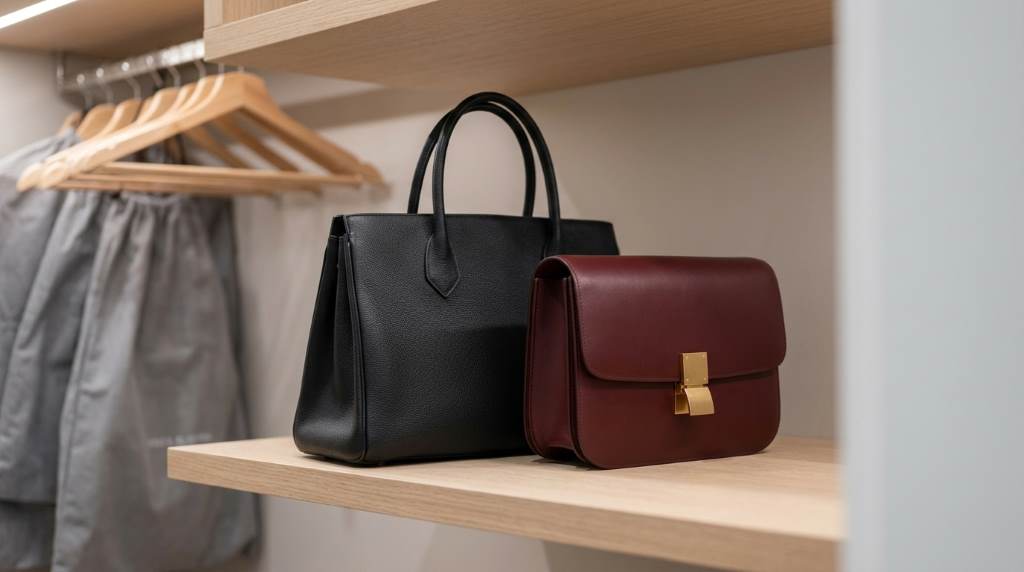
Investing in a designer bag is a big decision for many fashion lovers. The global luxury handbag market is set to reach over 80 billion dollars by 2027. This shows how popular these items have become. Picking the right best designer bags can feel overwhelming with so many options available. A well-chosen bag can last for years and even grow in value over time.
The key is to focus on quality craftsmanship and timeless design. Brands like Chanel and Hermès are known for their durability and classic appeal. These bags often retain their value better than trendy styles. Buyers should also consider their lifestyle and how they plan to use the bag.
Why Invest in Designer Bags
Designer bags are more than just accessories. They are symbols of status and craftsmanship. Many people see them as long-term investments. High-quality materials like full-grain leather and expert stitching ensure these bags last for decades.
Some bags even appreciate in value over time. The Hermès Birkin is a famous example. Its resale value often exceeds its original price. This makes it a favorite among collectors and investors alike.
Owning a designer bag can also boost confidence. The elegance and prestige of carrying a well-known brand can make a strong impression. These bags often become heirlooms passed down through generations.
Key Factors to Consider When Choosing a Designer Bag
Material Quality
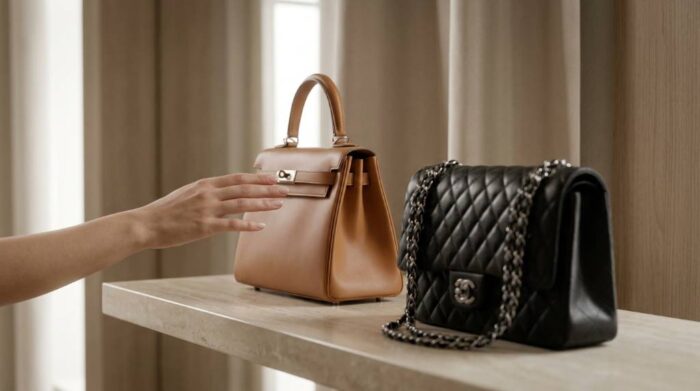
The material is the foundation of a great designer bag. Full-grain leather is the top choice for durability and luxury. It develops a beautiful patina over time. Other premium materials include exotic skins like crocodile or ostrich.
Check the texture and finish of the material. High-quality leather feels soft yet firm. Avoid bags with plastic or synthetic smells. Genuine leather has a rich natural scent.
Some brands use innovative materials like recycled plastics or vegan leather. These can be eco-friendly alternatives. However they may not offer the same longevity as traditional leather.
Craftsmanship and Stitching
The stitching is a clear sign of a bag’s quality. Hand-stitched bags have tighter and more even seams. Machine stitching can be precise but may lack the personal touch of handcrafted work.
Look at the stitching around the handles and edges. These areas endure the most stress. Poor stitching here can lead to early wear and tear. High-end brands often use saddle stitching for extra strength.
The lining of the bag also matters. A well-made bag has a smooth and durable interior. Cheap linings can fray or peel over time. This affects both the look and functionality of the bag.
Brand Reputation and Heritage
Some brands have a long history of excellence. Chanel Hermès and Louis Vuitton are known for their timeless designs. Their bags often hold or increase in value over time.
Research the brand’s reputation for quality and customer service. Brands that offer repairs and maintenance services add value. This ensures your bag stays in top condition for years.
Newer brands can also offer unique designs and high quality. However they may not have the same resale value as established luxury names. Consider your priorities when choosing between them.
Functionality and Practicality
A beautiful bag should also be practical. Think about how you will use it daily. A crossbody bag offers hands-free convenience for busy lifestyles. A tote is perfect for carrying work essentials or shopping items.
Consider the size and compartments. A bag with multiple pockets helps organize your belongings. However too many compartments can add bulk. Balance functionality with style.
The weight of the bag is another factor. Some designer bags can be surprisingly heavy. Test the bag’s weight before buying to ensure comfort. Lightweight materials like nylon can be a good alternative.
Timeless Design vs. Trendy Styles
Timeless designs are always a safe investment. Classic shapes like the Chanel Flap or Louis Vuitton Neverfull remain stylish for decades. These bags are versatile and match many outfits.
Trendy bags can be fun and fashionable. However they may go out of style quickly. If you love a trendy design consider pairing it with classic pieces. This balances your wardrobe.
Limited edition bags can be valuable collectors items. Brands often release special collaborations or seasonal designs. These can appreciate in value if they become rare or sought after.
Resale Value and Investment Potential
Some bags are known for their strong resale value. The Hermès Birkin and Kelly bags often sell for more than their retail price. Chanel Classic Flaps also retain value well due to their iconic status.
Research the resale market before buying. Websites like The RealReal or Vestiaire Collective provide insights. Look for bags that consistently hold their value or appreciate over time.
Keep the original packaging and authenticity cards. These items add value when reselling. A well-maintained bag with all its original accessories fetches a higher price.
Unique Considerations for Different Climates
Humid Climates
Humidity can damage leather and other materials. Choose bags with water-resistant finishes or treated leather. Brands like Longchamp offer nylon bags that withstand moisture.
Store bags in a cool dry place when not in use. Use dust bags to protect them from humidity. Silica gel packets can help absorb excess moisture in storage areas.
Avoid exposing bags to direct sunlight for long periods. This can cause fading or drying out of the material. Regular conditioning keeps leather supple in humid conditions.
Dry Climates
Dry air can cause leather to crack over time. Regular conditioning is essential to keep the material hydrated. Use high-quality leather conditioners every few months.
Suede and nubuck are particularly vulnerable in dry climates. These materials require special care and protective sprays. Consider smooth leather bags for easier maintenance.
Store bags away from heat sources like radiators or vents. Extreme dry heat can warp or damage the material. A humidifier in storage areas can help maintain ideal conditions.
Cold Climates
Cold weather can make leather stiff and brittle. Condition bags more frequently during winter months. This keeps the material flexible and prevents cracks.
Snow and salt can stain and damage bags. Wipe down bags with a damp cloth after exposure. Use protective sprays to create a barrier against the elements.
Fur-lined or shearling bags can add warmth and style in cold climates. These materials require special care to maintain their appearance. Follow the brand’s care instructions closely.
How to Authenticate a Designer Bag
Check the Stitching and Hardware
Authentic bags have consistent and high-quality stitching. The threads should be even and tightly woven. Loose threads or uneven stitches are red flags.
Hardware like zippers and buckles should feel heavy and solid. Cheap hardware often feels light and flimsy. Look for brand engravings on metal pieces.
The logo or brand name should be clear and precise. Misspellings or blurry logos indicate a fake. Compare the logo to official brand images for accuracy.
Examine the Materials and Lining
Genuine leather has a natural texture and smell. Fake leather often feels plastic or overly smooth. The smell of real leather is rich and earthy.
The lining should be neatly sewn and made of high-quality fabric. Poorly attached or cheap-looking linings are signs of a counterfeit. Authentic bags often have branded linings.
Check the edges of the bag. Real leather edges are often painted or finished smoothly. Rough or poorly finished edges suggest a fake.
Verify the Serial Number and Tags
Most designer bags come with a serial number or authenticity card. These should match the bag’s label or tag. Research the brand’s serial number format for verification.
Authenticity tags should be securely attached and well-made. Fake tags often have poor printing or cheap materials. Compare the tag to official brand examples.
Some brands use holograms or special markings on their tags. These features are hard to replicate. Look for these details when authenticating a bag.
Where to Buy Designer Bags
Authorized Retailers and Boutiques
Buying from authorized retailers ensures authenticity. These stores have direct relationships with the brands. They offer warranties and excellent customer service.
Boutiques often provide a more personalized shopping experience. Staff can offer styling advice and insights. However prices may be higher than other options.
Department stores like Nordstrom or Saks Fifth Avenue also carry designer bags. These stores often have sales and promotions. Check for authorized dealer status before purchasing.
Online Marketplaces
Websites like Farfetch or Net-a-Porter offer a wide selection of designer bags. These platforms work with authorized sellers. Always check seller ratings and reviews before buying.
eBay and other auction sites can have good deals. However the risk of counterfeits is higher. Look for sellers with high ratings and authentic return policies.
Some brands sell directly through their websites. This guarantees authenticity and often includes free shipping. Sign up for brand newsletters to learn about sales and new releases.
Secondhand and Consignment Stores
Consignment stores offer pre-loved designer bags at lower prices. Stores like The RealReal authenticate all items before selling. This reduces the risk of buying a fake.
Thrift stores and vintage shops can have hidden gems. However authentication is crucial. Bring a knowledgeable friend or use an authentication service.
Online resale platforms like Poshmark or Depop are popular for secondhand bags. Always ask for detailed photos and authenticity proof. Use secure payment methods for protection.
Caring for Your Designer Bag
Cleaning and Maintenance
Regular cleaning keeps your bag looking new. Use a soft cloth to wipe down leather bags. For deeper cleaning use a damp cloth with mild soap.
Avoid harsh chemicals or abrasive cleaners. These can damage the material and finish. Test cleaning products on a small hidden area first.
Suede and nubuck require special cleaners and brushes. Use products designed for these materials. Always follow the care instructions provided by the brand.
Storage Tips
Store bags in their original dust bags when not in use. This protects them from dust and light. Keep bags in a cool dry place away from direct sunlight.
Stuff bags with tissue paper or bubble wrap to maintain their shape. Avoid hanging bags by their straps for long periods. This can cause stretching or distortion.
Rotate your bags regularly to prevent overuse. This extends their lifespan and keeps them looking fresh. Consider using a bag organizer for easy access and protection.
Handling Wear and Tear
Minor scratches and scuffs are normal with use. Use a leather conditioner to restore shine and hide imperfections. For deep scratches consider professional repair services.
Address stains immediately to prevent them from setting. Blot the stain with a clean cloth and use a suitable cleaner. Avoid rubbing as this can spread the stain.
Regularly check hardware for loose screws or tarnishing. Tighten screws with a small screwdriver if needed. Use a metal polish to restore shine to hardware.
Unique Insight: The Rise of Sustainable Luxury Bags
Sustainability is becoming a key factor in luxury fashion. Many brands now use eco-friendly materials and ethical production methods. This appeals to environmentally conscious buyers.
Stella McCartney is a pioneer in sustainable luxury. The brand uses vegan leather and recycled materials. Other brands like Gucci and Prada are also adopting sustainable practices.
Buying secondhand designer bags is another sustainable option. This extends the lifecycle of the product and reduces waste. It also offers access to luxury items at lower prices.
Some brands offer repair and recycling programs. These initiatives encourage customers to maintain and recycle their bags. This reduces the environmental impact of luxury fashion.
The demand for sustainable luxury is growing. Brands that prioritize ethics and sustainability are gaining popularity. This trend is likely to continue shaping the future of designer bags.
Conclusion
Choosing the best designer bag worth investing in requires careful thought. Focus on quality materials craftsmanship and timeless design. Consider your lifestyle and how you will use the bag.
Authenticate your purchase to ensure you are getting a genuine product. Buy from reputable sources and care for your bag properly. This will extend its lifespan and maintain its value.
Whether you prioritize style functionality or investment potential there is a designer bag for you. Take your time to research and explore your options. A well-chosen bag can bring joy and elegance to your life for years to come.
Start your journey today and find the perfect designer bag that matches your style and needs.
FAQ
What makes a designer bag a good investment?
A good investment bag retains or increases in value over time due to brand reputation quality and timeless design.
How can I tell if a designer bag is authentic?
Check the stitching materials hardware and serial numbers for consistency and quality.
What are the most popular designer bag brands?
Chanel Hermès Louis Vuitton Gucci and Prada are among the most popular and valuable brands.
How should I store my designer bag?
Store it in a dust bag in a cool dry place away from direct sunlight and heat sources.
Can I buy a designer bag online safely?
Yes buy from authorized retailers or reputable resale platforms that offer authentication services.


