

Picking the right bag sounds simple. But anyone who has carried the wrong one knows how quickly a bad choice ruins your day. Whether you are running errands in the city or catching a flight to a new country, your bag matters more than you think.
I learned this the hard way during a trip to Thailand a few years ago. I packed a heavy backpack that left my shoulders sore by noon. A friend traveling with me had a compact sling bag. She moved freely, accessed her things in seconds, and looked completely at ease. That trip changed how I look at travel bags forever.
Sling bags have grown in popularity for good reason. They offer a smart mix of comfort, quick access, and everyday style. If you are looking for the best sling bags that fit both your travel needs and daily life, this guide will walk you through everything you need to know.
Why Sling Bags Are a Smart Choice
Sling bags sit across your body. This design keeps your hands free and your belongings close. Unlike backpacks, you can swing a sling bag to your front without removing it. That matters a lot in crowded areas.
According to a 2023 consumer report by Statista, crossbody and sling bags ranked among the top three most preferred bag styles for everyday carry among adults aged 18 to 45. Comfort and convenience were the top reasons people chose them.
Sling bags also distribute weight more evenly across your torso when worn correctly. This reduces strain on a single shoulder. Additionally, they come in sizes that work for everything from a day hike to a work commute.
Here are the main reasons people choose sling bags:
- Hands-free carrying for easy movement
- Quick front-access to stop theft in busy places
- Lightweight design that reduces fatigue
- Versatile enough for work, gym, and travel
- Available in a wide range of sizes and styles
Therefore, if you want a bag that moves with your life rather than slowing it down, a sling bag is a practical starting point.
Consider the Size and Capacity First
Size is one of the first things you should think about. A bag that is too small frustrates you. One that is too large becomes uncomfortable and bulky. Getting this balance right makes a real difference.
For daily use, a bag between 5 to 10 liters works well. It fits your phone, wallet, keys, earbuds, and a small water bottle. If you travel or carry a tablet, look for something between 10 to 20 liters. Some sling bags even expand with extra compartments or zippers.
Think about what you carry on a typical day. Then add a little extra room for unexpected needs. However, do not go too large. A sling bag that is too big loses its main advantage, which is ease of movement.
Also check the number of compartments. Multiple pockets help you organize small items. A dedicated space for your phone or keys saves time and reduces frustration when you are in a rush.
Key size tips to remember:
- 5 to 10 liters for daily errands and commutes
- 10 to 15 liters for longer days or light travel
- 15 to 20 liters for day trips or carrying a tablet or small laptop
- Look for expandable designs if your needs change often
Choosing the right size from the start saves you money and hassle later.
Focus on Material and Build Quality
The material of your sling bag decides how long it lasts and how well it handles different conditions. You want something durable but not too heavy on its own.
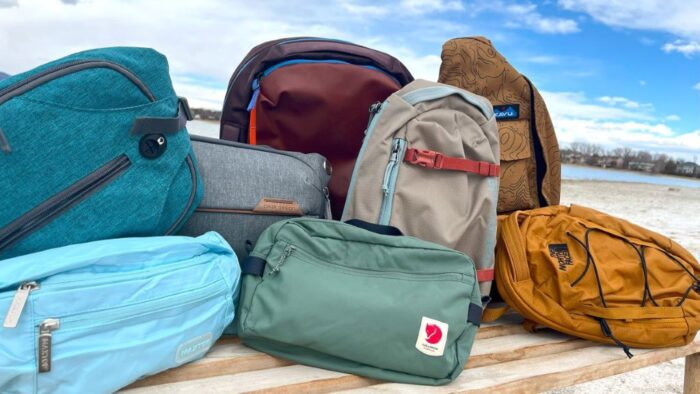
Nylon and polyester are popular choices. They are lightweight, water-resistant, and easy to clean. Canvas works well for casual use and has a classic look. Leather sling bags look sharp and age well, but they add weight and need more care. For travel, water-resistant materials are usually the smartest pick.
Look at the stitching and zippers too. Double-stitched seams last longer. YKK zippers are a trusted name in the industry and a good sign of quality. Loose threads or cheap hardware are warning signs.
Additionally, check if the bag has a padded back panel. This small detail improves comfort greatly, especially when worn for long periods. A breathable back panel also reduces sweat during warmer weather.
According to a product quality study by the American Luggage Dealers Association, bags made with ripstop nylon or Cordura fabric showed 40% better durability over time compared to standard polyester bags.
Material checklist before buying:
- Water-resistant or waterproof coating for rainy days
- YKK or similar quality zippers
- Reinforced stitching at stress points
- Padded or breathable back panel
- Lightweight fabric that does not add unnecessary bulk
Good materials mean your bag serves you for years, not just months.
Check the Strap Design and Comfort
The strap is the most important part of a sling bag. A poorly designed strap causes discomfort quickly. A well-made one feels like you are barely carrying anything at all.
Look for an adjustable strap. Everyone has a different torso size, and a fixed strap will not fit everyone well. The strap should also be wide enough to spread weight. Narrow straps dig into your shoulder after a while.
Padded straps make a noticeable difference during long days. Some bags also include a chest clip or waist buckle. These extra anchors keep the bag steady when you move fast, run, or cycle.
For travel specifically, look for a strap with a hidden zipper or anti-theft feature. Some bags include slash-resistant strap materials. This adds a layer of security in crowded tourist areas.
Strap features worth looking for:
- Adjustable length for a custom fit
- Padded or cushioned strap material
- Wide strap design (at least 1.5 inches) for comfort
- Anti-slip rubber or grip surface on the underside
- Optional chest clip for active use
However, the best way to test strap comfort is to try the bag on in person when possible. If you are shopping online, read reviews specifically about strap comfort before buying.
Evaluate Security Features
Security matters, especially for travel. Sling bags are generally safer than backpacks because you can move them to your front instantly. However, not all sling bags are built equally when it comes to protection.
Look for bags with hidden or lockable zippers. Some brands include RFID-blocking pockets. These block electronic signals that thieves use to scan your credit cards or passport chips. This feature is especially valuable in airports and busy markets.
Cut-proof straps and slash-resistant fabric panels add another layer of protection. While these might sound extreme, they are useful in high-risk travel areas. The small added cost is worth the peace of mind.
According to the Global Pickpocket Statistics Report by Travel Insurance Comparison in 2022, tourists who used anti-theft bags reported 60% fewer incidents of theft compared to those using standard bags.
Security features to prioritize:
- RFID-blocking pocket for cards and passport
- Lockable or hidden zipper pulls
- Slash-resistant fabric panels
- Internal key clip to prevent losing keys
- Reflective strips for nighttime visibility
Therefore, spending a little more on security features is a smart investment when you travel to unfamiliar places.
Think About Style and Versatility
A good sling bag should look right in different settings. You should not need a different bag for work, travel, and weekends. The best ones transition smoothly between environments.
Neutral colors like black, grey, navy, and tan work in almost every setting. They match more outfits and do not show dirt easily. However, if you want something more personal, many brands offer vibrant colors and patterns.
Think about whether the bag suits both casual and semi-formal occasions. A sleek minimal design works at the office. A rugged tactical style works on a hike. Some bags fall nicely in the middle.
Additionally, look at how the bag looks when worn. Does it sit flat against your body? Does it look proportionate to your frame? Style and function work best together.
Style tips for picking the right look:
- Choose neutral tones for maximum versatility
- Avoid overly branded or logo-heavy designs for a cleaner look
- Pick a slim profile for urban settings
- Choose a structured bag for a more polished look
- Consider a muted tactical style for outdoor or travel use
FAQs
What size sling bag is best for everyday use?
A sling bag between 5 to 10 liters works best for everyday use. It fits your phone, wallet, keys, and small daily essentials without feeling bulky.
Are sling bags good for travel?
Yes. Sling bags are great for travel. They offer quick front access, reduce theft risk, and are compact enough for day trips and airport use.
What material is best for a sling bag?
Nylon and polyester are the best everyday choices. They are lightweight, water-resistant, and durable. For travel, look for ripstop nylon or Cordura fabric for added toughness.
Can sling bags hold a laptop or tablet?
Some larger sling bags, between 15 to 20 liters, can hold a small tablet or a 10 to 11-inch laptop. Always check the product dimensions and dedicated device pockets before buying.
How do I prevent theft with a sling bag?
Wear the bag at your front in crowded areas. Choose bags with RFID-blocking pockets, hidden zippers, and slash-resistant materials for the best protection against theft.
Conclusion
Choosing the right sling bag does not have to feel overwhelming. Start with size and capacity. Then move to material quality and strap comfort. Consider security features, especially for travel. Finally, think about style and how the bag fits your daily life.
A well-chosen sling bag becomes a reliable companion. It keeps your essentials organized, your hands free, and your day moving smoothly. Whether you are navigating a busy market overseas or walking to a meeting downtown, the right bag makes a real difference.
Take time to think about your specific needs before buying. Read reviews, compare features, and choose a bag built to last. You will thank yourself every time you reach for it.
Did this guide help you narrow down your choice? Leave a comment below and share your experience with sling bags. If you found this article useful, share it with a friend who loves to travel.


