
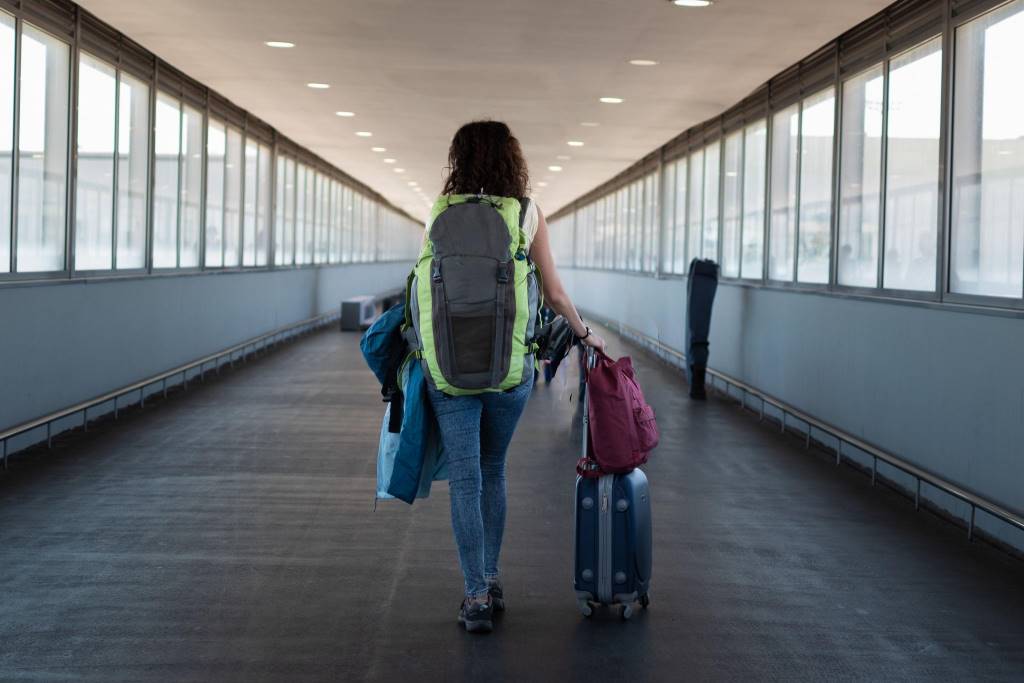
Air travel feels simple until your bag becomes a problem. Overhead space runs out. Security checks slow you down. Your shoulders start to ache before boarding even begins. According to the Transportation Security Administration, millions of passengers go through airport screening daily, and carry on efficiency plays a key role in smooth travel. In addition, a study by the International Air Transport Association shows that travelers prefer carry on luggage to save time and reduce delays. That is where the right backpack for traveling on airplane makes a real difference.
Choosing the best backpack for airplane travel is not just about style. It is about comfort, smart storage, airline rules, and stress free movement.
Why the Right Travel Backpack Matters
A good backpack changes your entire airport experience. It keeps your essentials organized and easy to access. It also reduces the risk of delays at security checkpoints.
Many travelers struggle with poorly designed bags. Zippers break, compartments feel cramped, and weight distribution causes discomfort. However, the right backpack solves these issues by offering balance, durability, and smart layout.
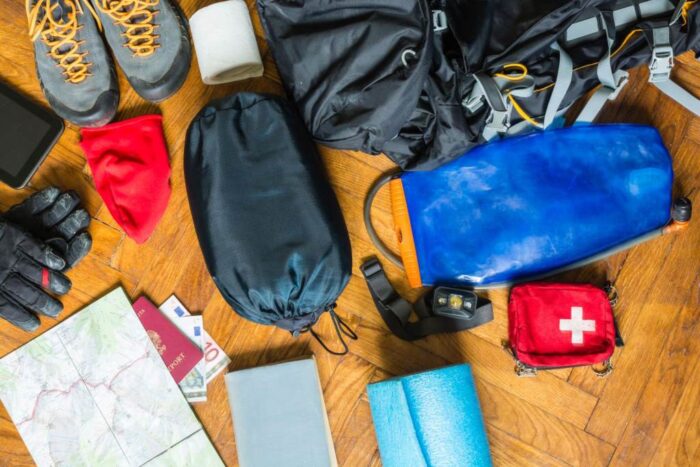
Furthermore, airlines have strict carry on size rules. A well chosen backpack helps you avoid gate check surprises. It also ensures you move quickly through crowded terminals without hassle.
Understand Airline Carry On Rules First
Before you buy any backpack, you need to understand airline requirements. Each airline sets limits on size and weight. While rules vary, most US airlines allow carry on bags around 22 x 14 x 9 inches.
However, your backpack must fit under the seat or in the overhead bin. That is why size matters more than you think. Choosing a bag that looks compact but expands too much can cause problems.
Key Points to Remember
- Always check airline guidelines before traveling
- Look for backpacks labeled as carry on compliant
- Avoid oversized designs even if they look flexible
- Consider personal item rules if you carry an extra bag
Choose the Ideal Backpack Size and Capacity
Size plays a central role in your decision. A backpack that is too small limits your packing. On the other hand, an oversized bag creates inconvenience.
Most travelers find that 30 to 45 liters works best for airplane travel. This size fits essentials without becoming bulky. It also balances space and portability.
In addition, consider how long your trip will be. A weekend trip needs less space than a week long journey. Therefore, always match your backpack size with your travel needs.
Focus on Comfort and Ergonomic Design
Comfort should never be ignored. You may carry your backpack for hours through airports, terminals, and city streets. Poor design can lead to shoulder pain and fatigue.
Look for padded shoulder straps and breathable back panels. These features reduce pressure and improve airflow. A chest strap or waist strap also helps distribute weight evenly.
Important Comfort Features
- Adjustable straps for better fit
- Cushioned back support
- Lightweight material to reduce strain
- Ventilated panels to prevent sweating
Smart Organization Makes Travel Easier
An organized backpack saves time and reduces stress. Instead of digging through your bag, you can access items instantly. This becomes especially helpful during security checks.
Choose a backpack with multiple compartments. A dedicated laptop sleeve speeds up screening. Small pockets help store passports, chargers, and documents safely.
Moreover, packing cubes can improve organization inside your backpack. They separate clothes and accessories efficiently.
Must Have Compartments
- Laptop and tablet section
- Quick access pocket for travel documents
- Separate shoe or laundry compartment
- Hidden pocket for valuables
Security Features You Should Not Ignore
Safety is important, especially in busy airports. Pick a backpack with anti theft features to protect your belongings.
Look for lockable zippers and hidden pockets. Some backpacks also include RFID blocking compartments to protect sensitive information.
Although no bag is completely theft proof, these features add an extra layer of protection. As a result, you can travel with more confidence and peace of mind.
Material and Durability Matter
A travel backpack must handle rough conditions. It will go through security belts, overhead bins, and crowded spaces. Therefore, durability becomes essential.
Choose high quality materials like nylon or polyester. These fabrics resist wear and tear while remaining lightweight. Water resistant coatings also protect your belongings from unexpected spills or rain.
Strong stitching and reliable zippers ensure your backpack lasts for years. Investing in quality reduces long term hassle.
Accessibility and TSA Friendly Design
Airport security can feel stressful, especially when you need to unpack quickly. A TSA friendly backpack simplifies this process.
These backpacks open flat like a suitcase. This design allows security officers to inspect your items without removing everything. As a result, you move through checkpoints faster.
Additionally, easy access pockets help you grab essentials like boarding passes or liquids quickly.
Weight and Portability Considerations
Weight affects your travel experience more than you expect. A heavy backpack becomes uncomfortable over time. It also reduces how much you can pack within airline limits.
Always choose a lightweight design without sacrificing durability. Balance is key. A strong yet light backpack gives you flexibility and comfort.
In addition, compact designs make it easier to navigate crowded areas. You can move freely without bumping into others or struggling in tight spaces.
Style and Versatility for Modern Travelers
While function comes first, style still matters. A sleek backpack works for both travel and daily use. This makes it a versatile investment.
Neutral colors and minimal designs fit different environments. You can use the same backpack for work, travel, and casual outings.
Moreover, a professional look can be useful if your trip includes business meetings. A well designed backpack blends practicality with style.
Packing Tips for Hassle Free Air Travel
Even the best backpack needs smart packing. Proper organization maximizes space and keeps everything accessible.
Effective Packing Strategies
- Roll clothes instead of folding to save space
- Use packing cubes to separate items
- Keep liquids in a clear pouch for security checks
- Place heavy items close to your back for balance
- Store frequently used items in outer pockets
These simple steps improve your travel experience significantly. They also help you stay organized throughout your journey.
Common Mistakes to Avoid
Many travelers make avoidable mistakes when choosing a backpack. These mistakes lead to discomfort and inconvenience.
Avoid These Errors
- Choosing style over functionality
- Ignoring airline size restrictions
- Overpacking beyond capacity
- Skipping comfort features
- Buying low quality materials
Being aware of these issues helps you make a better decision.
Conclusion
Choosing the best backpack for airplane travel is about more than looks. It requires careful attention to size, comfort, organization, and durability. When you pick the right bag, every part of your journey becomes smoother.
Focus on airline compliance, ergonomic design, and smart compartments. Combine that with proper packing, and you will travel with ease every time.
Take a moment to evaluate your travel needs and invest in a backpack that supports your journey. Your future trips will feel lighter, faster, and far more enjoyable.
FAQs
How big should a travel backpack be for flights
A travel backpack should usually be between 30 to 45 liters. This size fits carry on limits and provides enough space for essentials without becoming bulky.
Can I use a backpack as a carry on
Yes, most airlines allow backpacks as carry on luggage. However, it must meet size restrictions and fit in overhead bins or under the seat.
What features make a backpack TSA friendly
A TSA friendly backpack opens flat for easy inspection. It also includes a laptop compartment that allows quick access during screening.
Are anti theft backpacks worth it
Yes, anti theft features like hidden pockets and lockable zippers add extra security. They help protect valuables in crowded areas.
How do I make my backpack more comfortable
Adjust straps properly and use backpacks with padded support. Distribute weight evenly and avoid overpacking to reduce strain.