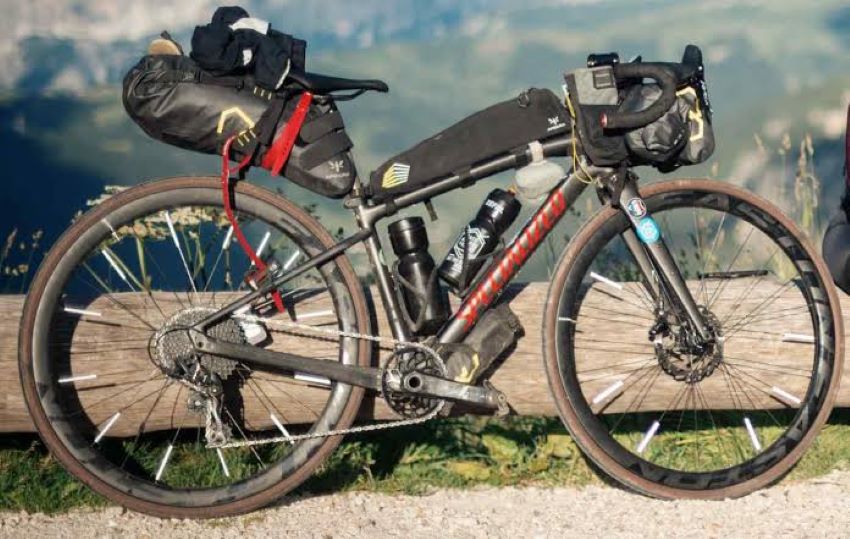
Navigating the bustling streets of New York on a bike is an adventure, but carrying all your essentials can be a challenge. I still remember my first attempt at biking through the city with a backpack. By the end of the ride, my shoulders ached, my back was drenched in sweat, and I realized how much the weight was throwing off my balance. That’s when I discovered the game-changing convenience of a bike frame bag. It wasn’t just about freeing up my back—it was about distributing weight evenly, keeping essentials within arm’s reach, and making my rides smoother and more enjoyable. A well-placed frame bag can transform your cycling experience, whether you’re commuting, running errands, or exploring the city’s scenic routes.
If you’re a cyclist in New York, understanding the essentials of a bike frame bag can help you maximize storage efficiency and comfort. According to a study by Bicycle Retailer and Industry News, using a frame bag can reduce the physical strain of carrying gear by up to 40%, as it keeps the weight low and centered on your bike. This makes it an essential accessory for urban cyclists who want to travel light, stay organized, and maintain optimal performance.
Why a Bike Frame Bag Is Essential for Cycling in New York
A bike frame bag is a must-have for any cyclist navigating the streets of New York. Unlike backpacks or panniers, a frame bag fits snugly within the triangle of your bike’s frame, providing easy access to your gear without affecting your center of gravity. This is especially important in a city like New York, where stop-and-go traffic, potholes, and crowded bike lanes demand quick reflexes and stability. According to Bicycling Magazine, distributing weight evenly across your bike can significantly improve handling and reduce fatigue, making your ride more comfortable and controlled.
A bike frame bag keeps your essentials organized and within easy reach, so you can grab your phone, tools, snacks, or other gear without stopping or searching through a backpack. Whether you’re commuting, mountain biking, or exploring scenic routes, it provides convenient storage for everything from rain gear to first aid supplies while maintaining comfort, balance, and freedom of movement throughout your ride.
Key Features to Look for in a Bike Frame Bag for New York Cycling
Not all bike frame bags are created equal. To find the best one for your needs in New York, consider the following key features:
1. Durability and Material
The durability and material of your bike frame bag can impact its longevity and performance, especially in a city like New York, where the elements and daily wear and tear can take a toll. Look for a bag made from high-quality, water-resistant materials like nylon, polyester, or Cordura. These materials are lightweight, durable, and can withstand the rigors of regular use and exposure to the elements.
Additionally, consider the denier rating of the material. A higher denier rating indicates a thicker, more durable fabric that can handle tougher conditions and heavier loads. For example, a 1000D Cordura fabric is more durable and abrasion-resistant than a 420D nylon fabric. This can be especially important for New York cyclists who navigate a variety of terrain and weather conditions.
2. Capacity and Compartments
The capacity and compartments of your bike frame bag can impact its storage efficiency and organization. Look for a bag with enough capacity to carry your essentials, as well as a variety of compartments, pockets, and dividers to keep your gear organized and easily accessible. For example, a bag with a main compartment for larger items like a water bottle or jacket, and smaller pockets for tools, snacks, or your phone, can help you stay organized on the go.
Additionally, consider the type of gear you’ll be carrying. If you need to carry a water bottle, look for a bag with a dedicated bottle pocket or attachment point. If you need to carry tools or first aid supplies, look for a bag with smaller, internal pockets or compartments. This can help ensure your gear is secure, accessible, and well-organized during your ride.
3. Mounting System
The mounting system of your bike frame bag can impact its stability, security, and ease of use. Look for a bag with a sturdy, reliable mounting system that can handle the weight and movement of your gear. Some common mounting systems include:
- Strap-Based Systems: Use Velcro or nylon straps to secure the bag to your bike’s frame. These systems are often adjustable and versatile, allowing you to fit the bag to a variety of frame shapes and sizes.
- Bolt-On Systems: Use bolts or screws to attach the bag directly to your bike’s frame. These systems are more secure and stable but may require more installation effort and tools.
- Quick-Release Systems: Allow you to easily attach and detach the bag from your bike’s frame with minimal effort. These systems are ideal for cyclists who want a convenient, hassle-free storage solution.
Additionally, consider the compatibility of the mounting system with your bike’s frame. Some systems may not be suitable for certain frame materials or shapes, so make sure to choose a bag that’s compatible with your specific bike.
4. Accessibility
Accessibility is a key factor to consider when choosing a bike frame bag, especially in a fast-paced city like New York. Look for a bag with easy-to-reach compartments, pockets, and zippers that allow you to access your gear quickly and efficiently during your ride. Additionally, consider the placement of the bag on your bike. A bag that sits higher on the frame may be more accessible but could also affect your bike’s handling and aerodynamics.
Additionally, consider the type of closure or opening for the bag’s compartments. For example, a roll-top closure may provide better water resistance but could be less convenient for quick access. A zipper closure may be more accessible but could be less waterproof. Choose a closure type that balances functionality and convenience for your specific needs.
5. Water Resistance
Water resistance is an important consideration for any bike frame bag, especially in a city like New York, where rain, snow, and puddles are common. Look for a bag with a water-resistant or waterproof material, as well as sealed seams and zippers to prevent water from seeping in. Additionally, consider a bag with a rain cover or additional waterproofing features for added protection in wet conditions.
Additionally, consider the type of waterproofing treatment used on the bag. Some bags may come with a durable water repellent (DWR) coating, which can help bead and repel water but may wear off over time. Others may come with a more permanent waterproofing treatment or material. Choose a bag that’s designed to withstand the specific weather conditions you’ll encounter in New York.
6. Weight and Aerodynamics
The weight and aerodynamics of your bike frame bag can impact your bike’s performance and your overall riding experience. Look for a bag that’s lightweight and compact, as this can help reduce drag and improve your bike’s speed and efficiency. Additionally, consider the bag’s shape and design. A bag with a sleek, aerodynamic profile can help reduce wind resistance and improve your bike’s performance, while a bag with a bulkier, more angular design may be less efficient.
Additionally, consider the distribution of weight in the bag. A well-balanced load can make the bag easier to pull and more stable on uneven terrain. Look for models with a low center of gravity or a wide base to prevent tipping or wobbling during your ride.
Types of Bike Frame Bags for New York Cycling
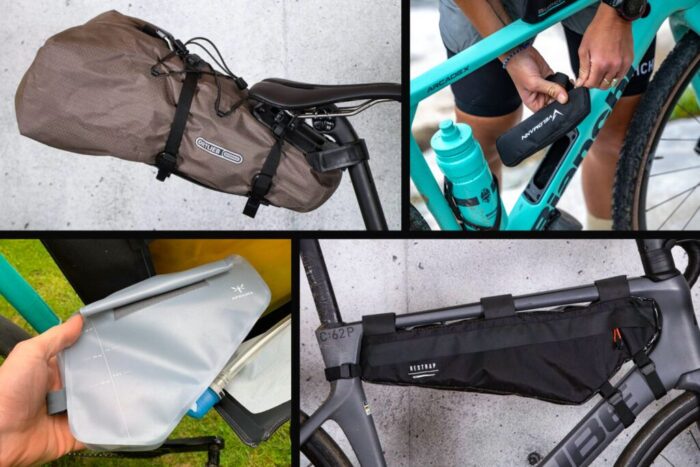
Bike frame bags come in a variety of styles and designs, each with its own advantages and ideal uses for cycling in New York. Here are some of the most popular types to consider:
1. Full Frame Bag
A full frame bag is designed to fill the entire triangle of your bike’s frame, providing maximum storage capacity. These bags are ideal for long-distance commuting or touring, where you need to carry a significant amount of gear. Full frame bags often come with multiple compartments and pockets for organizing your essentials, as well as attachment points for additional gear like water bottles or tools.
Additionally, full frame bags are typically made from durable, water-resistant materials to protect your gear from the elements. They’re a great choice for cyclists who prioritize storage space and versatility, but they may be heavier and bulkier than other types of frame bags. This can be a consideration for New York cyclists who need to navigate crowded streets and tight spaces.
2. Half Frame Bag
A half frame bag covers only a portion of your bike’s frame triangle, typically the top half. These bags are a great compromise between storage capacity and weight, making them ideal for day trips, commuting, or light touring. Half frame bags often come with a single main compartment and a few smaller pockets for organizing your essentials.
Additionally, half frame bags are often lighter and more aerodynamic than full frame bags, making them a good choice for cyclists who want to maintain speed and agility while still having ample storage space. This can be especially important for New York cyclists who need to navigate stop-and-go traffic and crowded bike lanes.
3. Top Tube Bag
A top tube bag is a smaller, more compact option that sits on the top tube of your bike’s frame. These bags are ideal for carrying essentials like your phone, wallet, keys, or snacks, keeping them within easy reach during your ride. Top tube bags often come with a clear, touchscreen-compatible window for your phone, as well as additional pockets for smaller items.
Additionally, top tube bags are lightweight and aerodynamic, making them a great choice for road cyclists or commuters who want to keep their gear organized and accessible without adding bulk or weight to their bike. This can be especially useful for New York cyclists who need to navigate tight spaces and crowded streets.
4. Custom Frame Bag
A custom frame bag is designed to fit the unique shape and size of your bike’s frame. These bags are ideal for cyclists with non-standard or uniquely shaped frames, as well as those who want a perfect, tailored fit for their gear. Custom frame bags often come with a variety of compartments, pockets, and attachment points for added versatility and organization.
Additionally, custom frame bags can be made from a variety of materials, colors, and designs to match your personal style and preferences. They’re a great choice for cyclists who want a one-of-a-kind, high-quality storage solution for their bike. This can be especially important for New York cyclists who want to stand out and express their individuality.
5. Modular Frame Bag
A modular frame bag is designed to be customizable and adaptable to your specific needs. These bags often come with detachable compartments, pockets, or accessories that can be added or removed as needed. Modular frame bags are ideal for cyclists who want a versatile, multi-functional storage solution that can adapt to different types of rides or gear requirements.
Additionally, modular frame bags often come with a variety of attachment points and mounting options, allowing you to configure the bag to suit your bike and your gear. They’re a great choice for cyclists who want flexibility and adaptability in their storage solutions, especially in a dynamic city like New York.
How to Use a Bike Frame Bag for Maximum Storage Efficiency in New York
Using a bike frame bag effectively can help you maximize your storage efficiency and enjoy a more comfortable, organized ride in New York. Here’s a step-by-step guide to help you get the most out of your bag:
1. Choose the Right Bag for Your Bike and Needs
Before purchasing a bike frame bag, consider the size and shape of your bike’s frame, as well as the type and amount of gear you’ll be carrying. Choose a bag that fits snugly within the frame triangle and provides enough capacity for your essentials. Additionally, consider the type of riding you’ll be doing, as this can impact the size, capacity, and features you need in a bag.
Additionally, think about the compatibility of the bag with your bike’s frame. Some bags may not fit certain frame shapes, sizes, or materials, so make sure to choose a bag that’s compatible with your specific bike. This can be especially important for New York cyclists who ride a variety of bikes, from road bikes to hybrids to mountain bikes.
2. Install the Bag Properly
Once you’ve chosen the right bike frame bag, install it properly on your bike to ensure stability, security, and ease of use. Follow the manufacturer’s instructions for attaching the bag to your bike’s frame using the mounting system. Make sure all straps, bolts, or other attachments are secure and tight to prevent the bag from shifting or coming loose during your ride.
Additionally, consider the placement of the bag on your bike. A bag that sits lower on the frame may provide better stability and weight distribution but could also be more difficult to access. A bag that sits higher on the frame may be more accessible but could affect your bike’s handling and aerodynamics. Choose a placement that balances functionality and performance for your specific needs.
3. Organize Your Gear
Once your bike frame bag is installed, organize your gear in a way that maximizes accessibility and efficiency. Place frequently used items, like snacks, your phone, or tools, in easily accessible compartments or pockets. Store less frequently used items, like extra layers or first aid supplies, in deeper or less accessible compartments.
Additionally, consider using packing cubes, bags, or other organizers to group similar items together and prevent them from shifting or moving around during your ride. This can help keep your gear neat, tidy, and easy to find when you need it. For New York cyclists, this can be especially important for staying organized and prepared for anything the city throws your way.
4. Distribute Weight Evenly
When packing your bike frame bag, distribute the weight of your gear evenly to maintain your bike’s balance and handling. Place heavier items, like tools or water bottles, at the bottom of the bag and closer to the frame. This can help lower the center of gravity and prevent the bag from affecting your bike’s stability or maneuverability.
Additionally, consider the overall weight of your gear. A heavily loaded frame bag can affect your bike’s performance and comfort, so make sure to pack only what you need and avoid overloading the bag. This can be especially important for New York cyclists who need to navigate stop-and-go traffic, potholes, and crowded bike lanes.
5. Secure Your Gear
Once your gear is packed and organized, secure it in place to prevent shifting or moving around during your ride. Use the bag’s compartments, pockets, and dividers to keep your gear in its designated spot. Additionally, consider using bungee cords, straps, or other fasteners to secure larger or bulkier items, like a jacket or rain gear, to the outside of the bag.
Additionally, consider the type of closure or opening for the bag’s compartments. A roll-top closure may provide better water resistance but could be less convenient for quick access. A zipper closure may be more accessible but could be less waterproof. Choose a closure type that balances functionality and convenience for your specific needs and the conditions you’ll encounter in New York.
Common Mistakes to Avoid When Using a Bike Frame Bag in New York
Even with the best intentions, it’s easy to make mistakes when using a bike frame bag in New York. Here are some common pitfalls to avoid:
1. Choosing the Wrong Size or Type
Choosing the wrong size or type of bike frame bag can lead to inefficiency, discomfort, or even damage to your bike or gear. Avoid selecting a bag that’s too large or too small for your bike’s frame or your storage needs. Instead, measure your frame triangle and consider the type and amount of gear you’ll be carrying to choose the right bag for your needs.
Additionally, consider the type of riding you’ll be doing. A full frame bag may be ideal for long-distance commuting or touring but could be overkill for a short ride or errand. A half frame bag or top tube bag may be more suitable for lighter, more casual rides in the city.
2. Overloading the Bag
Overloading your bike frame bag can affect your bike’s balance, handling, and performance. Avoid packing too much gear or weight into the bag, as this can cause the bag to sag, shift, or come loose during your ride. Instead, distribute the weight evenly and pack only what you need for your specific ride or trip.
Additionally, consider the weight capacity of the bag and its mounting system. Some bags may have a lower weight limit or may not be suitable for heavier loads, so make sure to choose a bag that can handle the weight of your gear. This can be especially important for New York cyclists who need to carry a variety of items for their daily commute or adventures.
3. Improper Installation
Improper installation can lead to instability, shifting, or even damage to your bike or bag. Avoid attaching the bag to your bike’s frame without following the manufacturer’s instructions or using the proper mounting system. Instead, take the time to install the bag properly, ensuring all straps, bolts, or other attachments are secure and tight.
Additionally, consider the compatibility of the mounting system with your bike’s frame. Some systems may not be suitable for certain frame materials or shapes, so make sure to choose a bag that’s compatible with your specific bike. This can help prevent issues like shifting, wobbling, or damage during your ride.
4. Poor Organization
Poor organization can lead to inefficiency, frustration, and even damage to your gear. Avoid simply stuffing your gear into the bag without any thought or planning. Instead, organize your gear in a way that maximizes accessibility and efficiency, using the bag’s compartments, pockets, and dividers to keep everything in its place.
Additionally, consider the type of gear you’ll be carrying. For example, place frequently used items, like snacks or your phone, in easily accessible compartments or pockets. Store less frequently used items, like extra layers or first aid supplies, in deeper or less accessible compartments. This can help you stay organized and prepared for anything during your ride.
5. Neglecting Maintenance
Neglecting to maintain your bike frame bag can lead to wear, damage, or reduced performance over time. Avoid leaving your bag exposed to the elements or storing it in a damp, dirty environment. Instead, clean your bag regularly to remove dirt, debris, or moisture that could cause damage or deterioration.
Additionally, consider lubricating the bag’s zippers, buckles, or other moving parts periodically to keep them functioning smoothly. This can help extend the life of your bag and ensure it performs well for many rides to come, even in the tough conditions of New York.
Tips for Getting the Most Out of Your Bike Frame Bag in New York
To maximize the benefits of your bike frame bag, follow these tips for efficient, comfortable, and enjoyable cycling in New York:
1. Pack Smart
Pack your bike frame bag strategically to make the most of its capacity and keep your gear organized and accessible. Place frequently used items, like snacks, your phone, or tools, in easily accessible compartments or pockets. Store less frequently used items, like extra layers or first aid supplies, in deeper or less accessible compartments.
Additionally, consider using packing cubes, bags, or other organizers to group similar items together and prevent them from shifting or moving around during your ride. This can help keep your gear neat, tidy, and easy to find when you need it, even in the fast-paced environment of New York.
2. Use Waterproofing Features
If your bike frame bag comes with water-resistant or waterproof features, use them to protect your gear from rain, snow, or puddles. For example, make sure to close and secure all zippers, roll-tops, or other closures to prevent water from seeping in. Additionally, consider using a rain cover or additional waterproofing measures for added protection in wet conditions.
Additionally, consider the type of waterproofing treatment used on the bag. Some bags may come with a durable water repellent (DWR) coating, which can help bead and repel water but may wear off over time. Others may come with a more permanent waterproofing treatment or material. Choose a bag that’s designed to withstand the specific weather conditions you’ll encounter in New York.
3. Check and Tighten Regularly
Regularly check and tighten the mounting system of your bike frame bag to ensure it remains stable, secure, and safe during your ride. Over time, straps, bolts, or other attachments can loosen or wear out, so make it a habit to inspect and tighten them as needed. This can be especially important for New York cyclists who navigate a variety of terrain and conditions.
Additionally, consider the type of mounting system used on your bag. Some systems, like strap-based or quick-release systems, may require more frequent adjustments or tightening than others, like bolt-on systems. Choose a mounting system that fits your specific needs and preferences.
4. Use for Multiple Purposes
A bike frame bag is a versatile storage solution that can be used for a variety of purposes beyond cycling. Consider using it for other outdoor activities, like hiking, camping, or commuting, where you need a compact, organized, and easily accessible space for your gear. Additionally, think about the bag’s features and design, as these can make it more or less suitable for different types of activities or environments.
Additionally, consider the bag’s capacity and compartments. A bag with multiple pockets or dividers may be more versatile and adaptable for different types of gear or activities, while a bag with a single, large compartment may be more suitable for bulkier or less organized items.
5. Invest in Quality
Investing in a high-quality bike frame bag can save you time, effort, and money in the long run. A well-made bag can last for years, providing reliable, efficient storage for your gear and enhancing your cycling experience. Look for a bag made from durable, water-resistant materials with a sturdy, reliable mounting system and high-quality construction.
Additionally, consider the warranty and customer support offered by the manufacturer. A good warranty can provide peace of mind and protection against defects or damage, while responsive customer support can help you troubleshoot any issues that may arise. This can be especially important for New York cyclists who rely on their gear for daily commuting and adventures.
The Benefits of Using a Bike Frame Bag in New York
Using a bike frame bag offers a variety of benefits that can enhance your cycling experience and make your rides in New York more comfortable, organized, and enjoyable. Here are some of the most notable advantages:
1. Improves Storage Efficiency
One of the primary benefits of a bike frame bag is its ability to improve your storage efficiency. By providing a dedicated, easily accessible space for your gear, a frame bag allows you to carry more essentials without the need for a backpack or other cumbersome storage solutions. This can help you stay organized, prepared, and comfortable during your rides in New York.
Additionally, a bike frame bag can help you distribute the weight of your gear more evenly across your bike, improving your balance, handling, and performance. This can be especially important for navigating the city’s stop-and-go traffic, potholes, and crowded bike lanes.
2. Enhances Comfort
A bike frame bag can enhance your comfort during rides by reducing the physical strain of carrying gear on your back or shoulders. By keeping the weight low and centered on your bike, a frame bag allows you to maintain a more natural, upright posture and reduce the risk of fatigue, strain, or injury. This can make your rides more enjoyable and less physically demanding.
Additionally, a bike frame bag can help you avoid the discomfort and sweating associated with wearing a backpack or other body-worn storage solutions. This can be especially important for New York cyclists who navigate the city’s diverse terrain and weather conditions.
3. Increases Accessibility
A bike frame bag provides quick and easy access to your essentials, allowing you to grab what you need without having to stop and dig through a backpack. This can be especially important for items like snacks, your phone, or tools, which you may need to access frequently during your ride in New York. Additionally, consider the placement and design of the bag’s compartments and pockets. A bag with easily accessible, well-organized compartments can help you find and retrieve your gear more quickly and efficiently.
4. Boosts Aerodynamics
A bike frame bag can also boost your bike’s aerodynamics by reducing drag and wind resistance. By keeping your gear low and centered on the bike, a frame bag can help you maintain a more streamlined, efficient profile, allowing you to ride faster and with less effort. This can be especially important for road cyclists or those who prioritize speed and performance in the city.
Additionally, consider the shape and design of the bag. A bag with a sleek, aerodynamic profile can help reduce drag and improve your bike’s performance, while a bag with a bulkier, more angular design may be less efficient. Choose a bag that balances functionality and aerodynamics for your specific needs.
5. Versatile and Multi-Functional
A bike frame bag is a versatile and multi-functional storage solution that can be used for a variety of purposes beyond cycling. Whether you’re hiking, camping, or commuting, a frame bag can provide a compact, organized, and easily accessible space for your gear. This makes it a practical and cost-effective investment for any outdoor enthusiast in New York.
Additionally, consider the bag’s features and design. A bag with multiple compartments, pockets, or attachment points may be more versatile and adaptable for different types of activities or environments, while a bag with a single, large compartment may be more suitable for bulkier or less organized items.
Conclusion
A bike frame bag is a game-changing accessory for any cyclist in New York, offering improved storage efficiency, comfort, and overall riding experience. By choosing the right bag, using it effectively, and avoiding common mistakes, you can carry more gear, stay organized, and enjoy a more comfortable, balanced ride. Whether you’re commuting, running errands, or exploring the city’s scenic routes, a bike frame bag can help you make the most of your cycling adventures in the Big Apple.
Remember, the best bike frame bag is the one that fits your specific needs, preferences, and bike. Take your time, explore your options, and don’t be afraid to invest in a high-quality bag that will serve you well for many rides to come. With the right approach, your bike frame bag can become a trusted and essential part of your cycling toolkit in New York.
Have you used a bike frame bag for your cycling storage needs in New York? Share your tips, favorite models, or riding experiences in the comments below! If you found this article helpful, don’t forget to share it with your fellow cyclists. Here’s to more efficient, comfortable, and enjoyable rides in the city!
FAQs
What is a bike frame bag?
A bike frame bag is a storage solution designed to fit within the triangle of your bike’s frame, providing a dedicated, easily accessible space for your gear. It’s ideal for carrying essentials like snacks, tools, your phone, or extra layers, keeping them within reach during your ride.
How do I choose the right bike frame bag for my needs in New York?
Consider factors like durability and material, capacity and compartments, mounting system, accessibility, water resistance, and weight and aerodynamics when choosing a bike frame bag. Think about your specific bike, the type and amount of gear you’ll be carrying, and the type of riding you’ll be doing to find the best bag for your needs.
What are the best types of bike frame bags for cycling in New York?
The best types of bike frame bags for cycling in New York include full frame bags for maximum storage, half frame bags for a balance of capacity and weight, top tube bags for quick access to essentials, custom frame bags for a tailored fit, and modular frame bags for versatility and adaptability. Choose the type that best suits your specific needs and preferences.
How do I use a bike frame bag for maximum storage efficiency in New York?
Choose the right bag for your bike and needs, install it properly, organize your gear strategically, distribute weight evenly, and secure your gear in place. Consider the type of riding you’ll be doing and the compatibility of the bag with your bike’s frame.
How do I maintain my bike frame bag?
Clean your bag regularly to remove dirt, debris, or moisture, lubricate zippers, buckles, or other moving parts periodically, and store it in a cool, dry place when not in use. Check and tighten the mounting system regularly to ensure stability and security during your ride.